The authors looked at the effects of different treatments using flies with neurodevelopmental disorders.
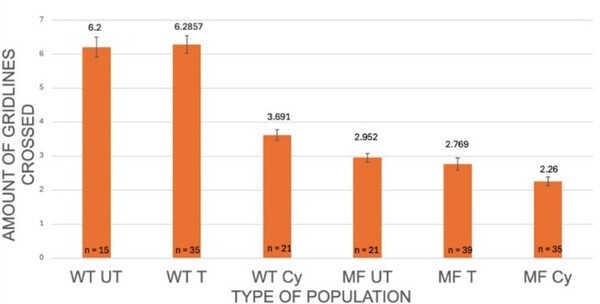
Read More...Drosophila melanogaster: A model to observe behavioral effects of mutated Foxp
The authors looked at the effects of different treatments using flies with neurodevelopmental disorders.
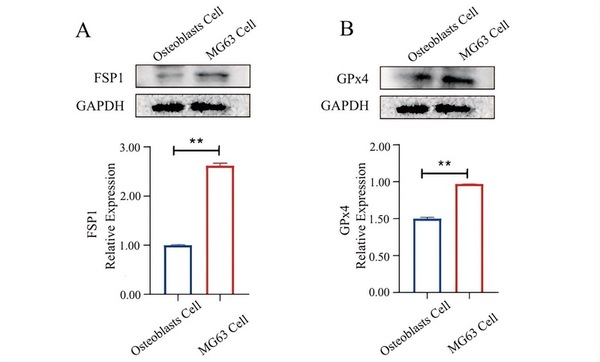
Read More...Elevated GPx4 and FSP1 expression in MG63 cells: Exploring potential links to drug resistance and ferroptosis
Current osteosarcoma (OS) treatments rely on surgery and chemotherapy, but drug resistance remains a major challenge that lowers patient survival rates. Ferroptosis, a form of regulated cell death, has shown promise in cancer therapy but is not well understood in OS. This study explores the use of Ferroptosis in OS.
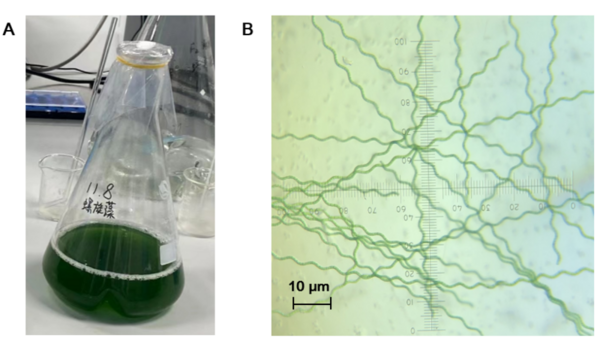
Read More...A low-cost method for purification of agricultural wastewater based on S. platensis
The authors looked at the ability of Spirulina platensis to reduce contaminants in wastewater in order to develop a more accessible treatment option. They found that S platensis did reduce the concentration of pollutants present within simulated agricultural wastewater.
Read More...Efficacy of natural coagulants in reducing water turbidity under future climate change scenarios
Here the authors investigated the effects of natural coagulants on reducing the turbidity of water samples from the Tennessee River Watershed. They found that turbidity reduction was higher at lower temperatures for eggshells. They then projected and mapped turbidity reactions under two climate change scenarios and three future time spans for eggshells. They found site-specific and time-vary turbidity reactions using natural coagulants could be useful for optimal water treatment plans.
Read More...Apoptosis induction and anti-inflammatory activity of polyherbal drug AS20 on cervical cancer cell lines
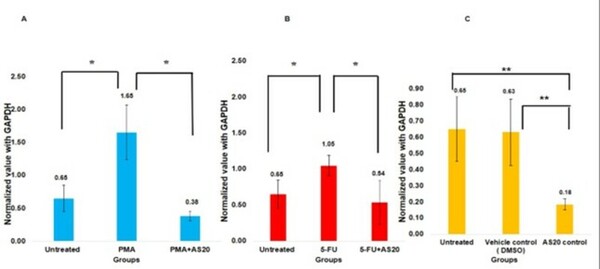
The authors found that treatment with AS20 suppressed phorbol 12-myristate 13-acetate (PMA) and 5-flurouracil (5-FU) induction of COX2 expression. We also observed AS20 treated cells showed DNA fragmentation in HeLa cells.
Read More...A study to determine the anti-cancer and pro-apoptotic properties of Amaranthus spinosus Linn. Extract, AS20
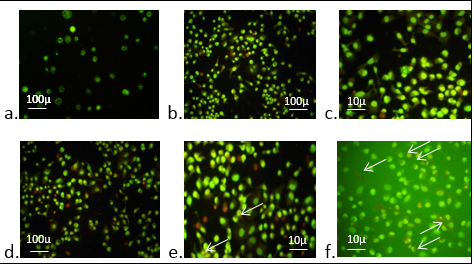
In this study, the authors investigate whether a new compound has anti-cancer properties. Using the crude extract from the Amaranthus spinosus plant, HeLa cancer cells were assessed for cell death. Findings reveal that the extract (AS20) has cytotoxic effects on HeLa cells. Their findings introduce a new compound to potentially pursue in the hunt for novel cancer treatments.
Read More...A Quantitative Analysis of the Proliferation of Microplastics in Williamston’s Waterways
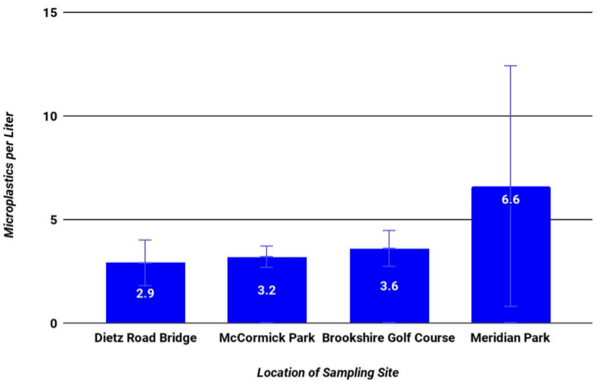
Plastic debris can disrupt marine ecosystems, spread contaminants, and take years to naturally degrade. In this study, Wu et al aim to establish an understanding of the scope of Williamston, Michigan’s microplastics problem, as well as to attempt to find the source of these plastics. Initially, the authors hypothesize that the Williamston Wastewater Treatment Plant was the primary contributor to Williamston’s microplastics pollution. Although they find a general trend of increasing concentrations of microplastics from upstream to downstream, they do not pinpoint the source of Williamston’s microplastics pollution in the present research.
Read More...pH-dependent drug interactions with acid reducing agents
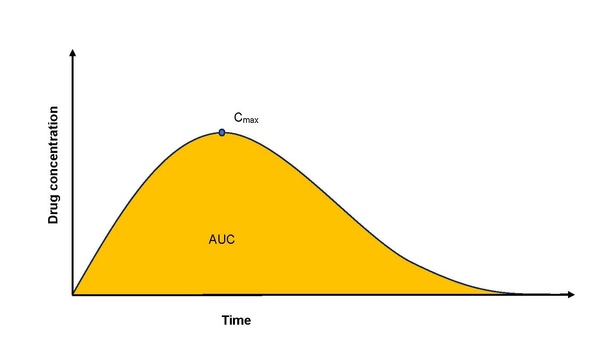
Some cancer treatments lose efficacy when combined with treatments for excessive stomach acid, due to the changes in the stomach environment caused by the stomach acid treatments. Lin and Lin investigate information on oral cancer drugs to see what information is available on interactions of these drugs.
Read More...Herbal Extracts Alter Amyloid Beta Levels in SH-SY5Y Neuroblastoma Cells
Alzheimer’s disease (AD) is a type of dementia that affects more than 5.5 million Americans, and there are no approved treatments that can delay the advancement of the disease. In this work, Xu and Mitchell test the effects of various herbal extracts (bugleweed, hops, sassafras, and white camphor) on Aβ1-40 peptide levels in human neuroblastoma cells. Their results suggest that bugleweed may have the potential to reduce Aβ1-40 levels through its anti-inflammatory properties.
Read More...Tree-Based Learning Algorithms to Classify ECG with Arrhythmias
Arrhythmias vary in type and treatment, and ECGs are used to detect them, though human interpretation can be inconsistent. The researchers tested four tree-based algorithms (gradient boosting, random forest, decision tree, and extra trees) on ECG data from over 10,000 patients.
Read More...