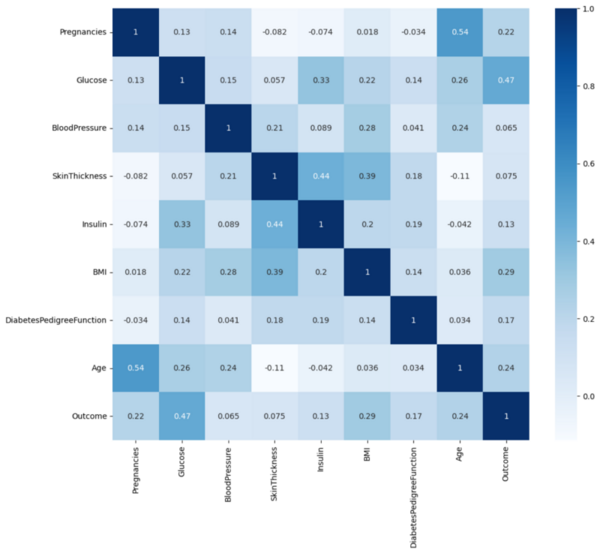
The authors develop and test a machine learning algorithm for predicting diabetes diagnoses.
Read More...Prediction of diabetes using supervised classification
The authors develop and test a machine learning algorithm for predicting diabetes diagnoses.
Read More...Diagnosing hypertrophic cardiomyopathy using machine learning models on CMRs and EKGs of the heart
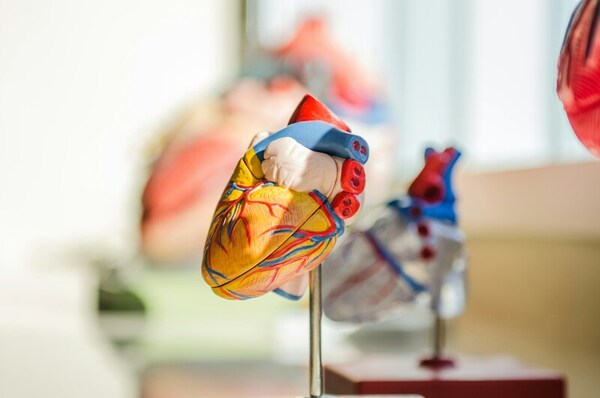
Here seeking to develop a method to diagnose, hypertrophic cardiomyopathy which can cause sudden cardiac death, the authors investigated the use of a convolutional neural network (CNN) and long short-term memory (LSTM) models to classify cardiac magnetic resonance and heart electrocardiogram scans. They found that the CNN model had a higher accuracy and precision and better other qualities, suggesting that machine learning models could be valuable tools to assist physicians in the diagnosis of hypertrophic cardiomyopathy.
Read More...The Impact of Antibiotic Exposure and Concentration on Resistance in Bacteria
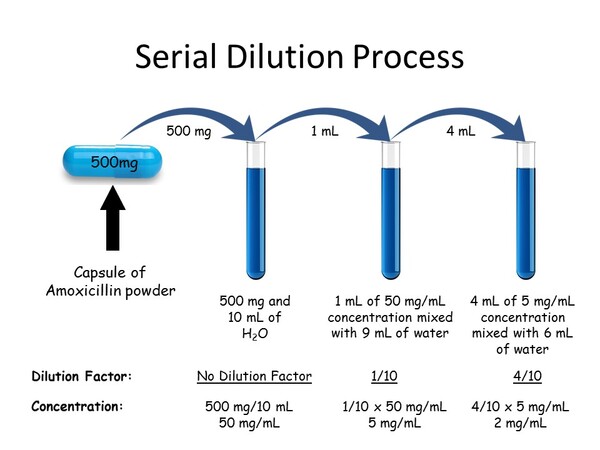
Antibiotics are used to treat dangerous diseases. Over time, however, bacteria are becoming resistant to antibiotics - which poses a threat to humans and animals alike. In this paper, the authors examine how E. coli gains resistance to the antibiotic amoxicillin.
Read More...Advancing pediatric cancer predictions through generative artificial intelligence and machine learning
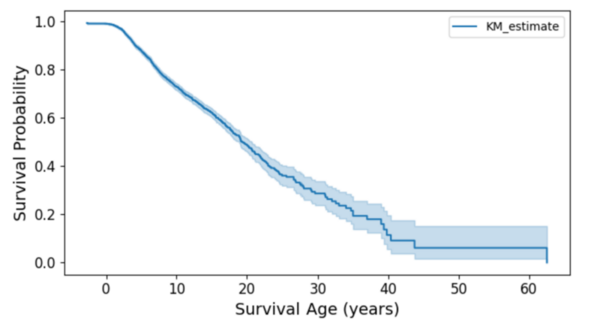
Pediatric cancers pose unique challenges due to their rarity and distinct biological factors, emphasizing the need for accurate survival prediction to guide treatment. This study integrated generative AI and machine learning, including synthetic data, to analyze 9,184 pediatric cancer patients, identifying age at diagnosis, cancer types, and anatomical sites as significant survival predictors. The findings highlight the potential of AI-driven approaches to improve survival prediction and inform personalized treatment strategies, with broader implications for innovative healthcare applications.
Read More...Early detection of student burnout using data science: a study of behavioral and psychological indicators

This study examined behavioral and psychological predictors of burnout among high school and university students in Pakistan using survey data and machine-learning models. Shorter sleep and greater mental fatigue—especially fatigue—were associated with higher burnout risk, while a Random Forest model successfully identified students at risk of burnout.
Read More...Measuring the effect of early universe dark matter on the primordial values of helium-4 and deuterium
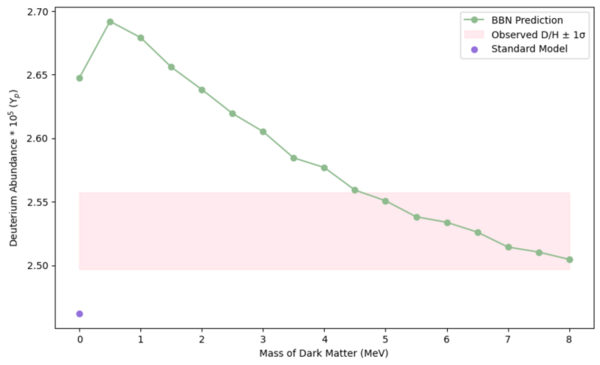
Recent observations by the “Extremely Metal-Poor Representatives Explored by the Subaru Survey” (EMPRESS) collaboration found normal deuterium levels but unexpectedly low helium-4, challenging current cosmological theories. This study used simulations with the PRyMordial package to test whether dark matter particles interacting with neutrinos in the early universe could explain the discrepancy.
Read More...The effects of early probiotic supplementation on the germination of Arabidopsis thaliana
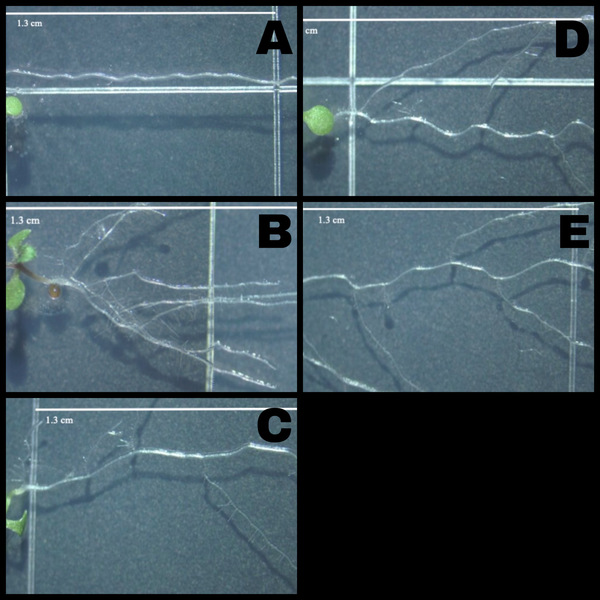
The use of fertilizers is associated with an increase in soil degradation, which is predicted to lead to a decrease in crop production within the next decade. Thus, it is critical to find solutions to support crop production to sustain the robust global population. In this study, the authors investigate how probiotic bacteria, like Rhizobium leguminosarum, Bacillus subtilis and Pseudomonas fluorescens, can impact the growth of Arabidopsis thaliana when applied to the seeds.They hypothesized that solutions with multiple bacterial species compared to those with only a single bacterial species would promote seed germination more effectively.
Read More...Exploring the Wonders of the Early Universe: Green Pea Galaxies and Light Flux
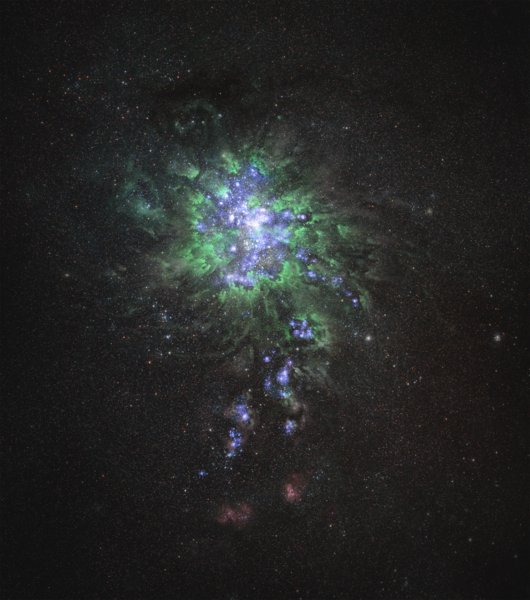
Studying other galaxies can help us understand the origins of the universe. Here, the authors study a type of galaxies known as Green Peas gaining insights that could help inform our understanding of Lyman alpha emitters, one of the first types of galaxies that existed in the early universe.
Read More...POC-MON: A Novel and Cost-Effective Pocket Lemon Sniff Test (PLST) for Early Detection of Major Depressive Disorder

Effective treatment of depression requires early detection. Depressive symptoms overlap with olfactory regions, which led to several studies of the correlation between sense of smell and depression. The alarming rise of depression, its related crimes, suicides, and lack of inexpensive, quick tools in detecting early depression — this study aims in demonstrating decreased olfaction and depression correlation. Forty-two subjects (ages 13-83) underwent POC-MON (Pocket Lemon) assessment — an oven-dried lemon peel sniff test, subjected to distance measurement when odor first detected (threshold) and completed Patient Health Questionnaires (PHQ-9). POC-MON and PHQ-9 scores yielded a correlation of 20% and 18% for the right and left nostrils, respectively. Among male (n=17) subjects, the average distance of POC-MON and PHQ-9 scores produced a correlation of 14% and 16% for the right and left nostrils, respectively. Females (n=25) demonstrated a correlation of 28% and 21% for the right and left nostrils, respectively. These results suggest the correlation between olfaction and depression in diagnosing its early-stage, using a quick, inexpensive, and patient-friendly tool — POC-MON.
Read More...Development of a pH-sensing hydrogel wound dressing for early infection monitoring for all skin color types
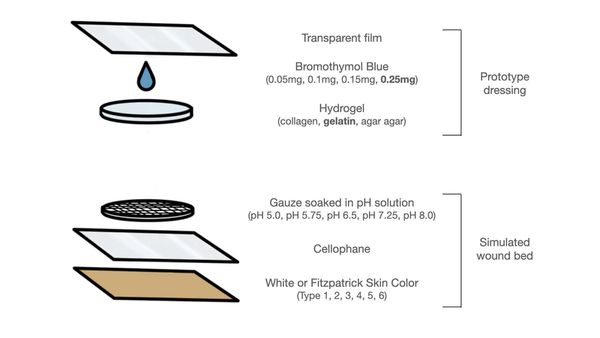
This paper develops a gelatin-based hydrogel dressing infused with bromothymol blue dye that visibly changes from yellow to blue as wound pH rises from 5.0 to 8.0, signaling possible infection. The color shift was visually detectable and statistically significant across all six Fitzpatrick skin tones, suggesting a low-cost ($0.40/dressing) tool for early infection monitoring in settings with limited access to care.
Read More...