Browse Articles

Changing public opinions on genetically modified organisms through access to educational resources

Klein et al. | Jul 26, 2022

Changing public opinions on genetically modified organisms through access to educational resources

Genetically modified organisms (GMOs) are crops or animals that have been genetically engineered to express a certain physical or biological characteristic and have various benefits that have made them become increasingly popular. However, the public has had mixed reactions to the use of GMOs, with some skeptical of their safety. The purpose of this study was to evaluate how opinions on genetically modified foods can change from exposure to small amounts of information

Read More...

Suppress that algae: Mitigating the effects of harmful algal blooms through preemptive detection & suppression

Natarajan et al. | Jul 17, 2023

Suppress that algae: Mitigating the effects of harmful algal blooms through preemptive detection & suppression
Image credit: Sharanya Natarajan

A bottleneck in deleting algal blooms is that current data section is manual and is reactionary to an existing algal bloom. These authors made a custom-designed Seek and Destroy Algal Mitigation System (SDAMS) that detects harmful algal blooms at earlier time points with astonishing accuracy, and can instantaneously suppress the pre-bloom algal population.

Read More...

More efficient sources of water distribution for agricultural and general usage

Jung et al. | Nov 11, 2022

More efficient sources of water distribution for agricultural and general usage

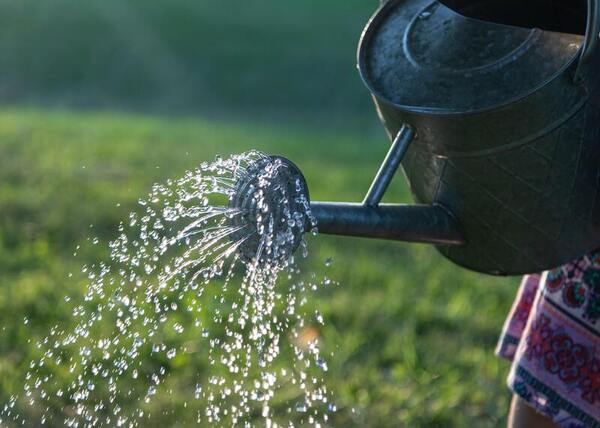
Here, the authors investigated alternative methods to irrigate plants based on the their identification that current irrigation systems waste a large amount of fresh water. They compared three different delivery methods for water: conventional sprinkler, underground cloth, and a perforated pipe embedded in the soil. They found the cloth method to save the most water, although plant growth was slightly less in comparison to plants watered with the sprinkler method or pipe method.

Read More...

Examining effects of E. muscae on olfactory function in D. melanogaster

Friedman et al. | Jul 08, 2021

Examining effects of <em>E. muscae</em> on olfactory function in <em>D. melanogaster</em>

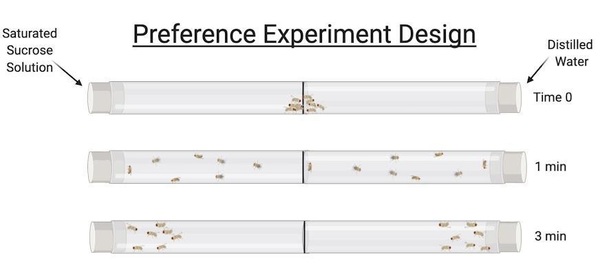
In this article, the authors investigate the effects of fungus E. muscae on fruit fly behavior. More specifically, they investigate whether this fungus affects olfaction. Their findings contribute to a broader set of studies seeking to understand how host's central nervous systems can be affected by infections.

Read More...

Combating drug resistance in cancer cells: Cooperative effect of green tea and turmeric with chemotherapeutic drug

Nair et al. | Jul 27, 2020

Combating drug resistance in cancer cells: Cooperative effect of green tea and turmeric with chemotherapeutic drug

The major drawback of chemotherapy regimens for treating cancer is that the cancerous cells acquire drug resistance and become impervious to further dose escalation. Keeping in mind the studied success of herbal formulations with regard to alternative treatments for cancer, we hypothesized that the use of a chemotherapeutic drug and proprietary herbal formulation, HF1, would combat this phenomenon when administered with common chemotherapeutic drug 5FU. Results demonstrated a cooperative effect between HF1 and 5FU on the drug resistant cell line, implying that administration of HF1 with 5FU results in cell death as measured by MTT assay.

Read More...
Analysis of Technology Usage of Teens: Correlating Social Media, Technology Use, Participation in Sports, and Popularity

Düzgezen et al. | Mar 27, 2020

Analysis of Technology Usage of Teens: Correlating Social Media, Technology Use, Participation in Sports, and Popularity

Social media usage is predicted to impact teen well-being and emotional status. This study sought to assess the impact of teen technology usage on their social lives. Surveys of 8th and 9th graders were used to assess compare technology usage between males and females as well as and how social media usage impacts the perception of social environment at school.

Read More...

The Effect of Cooking Method on the Amount of Fat in an Egg

Srinivasan et al. | Dec 01, 2014

The Effect of Cooking Method on the Amount of Fat in an Egg

Fat can be chemically altered during cooking through a process called lipid oxidation, which can have a negative impact on health. In this study, the authors measured the extracted fat in raw, fried and hard-boiled eggs and found that cooking eggs to a higher temperature resulted in a lower amount of extracted fat, indicating a greater amount of oxidized fat.

Read More...