Browse Articles

Testing the Effects of Resveratrol, Apigenin, and Glucosamine to Effectively Reduce Prostate Cancer Cell Proliferation, Migration Levels, and Increase Apoptosis

Yang et al. | Apr 16, 2020

Testing the Effects of Resveratrol, Apigenin, and Glucosamine to Effectively Reduce Prostate Cancer Cell Proliferation, Migration Levels, and Increase Apoptosis

The current five-year survival rate of metastasized prostate cancer is only 30% and occurs in every one in nine men. Researchers have shown that people with a type of dwarfism called Laron’s Syndrome are immune to cancer due to their low levels of insulin-like growth factor-1 (IGF-1). For this reason, experimentally modifying the level of IGF-1 could provide better insight into whether lowering the levels of IGF-1 in prostate cancer cell lines (e.g. PC-3) could be an effective treatment to reduce their rates of proliferation and migration and increase apoptosis. We selected three compounds, which researchers have shown decrease IGF-1 levels, to test and combine to determine which is the most promising.

Read More...

Identification of potential therapeutic targets for multiple myeloma by gene expression analysis

Kochenderfer et al. | Apr 26, 2024

Identification of potential therapeutic targets for multiple myeloma by gene expression analysis
Image credit: The authors

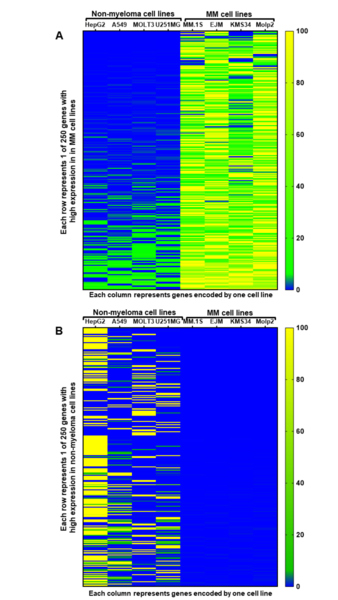
A central challenge of cancer therapy is identifying treatments that will effectively target cancer cells while minimizing effects on healthy cells. To identify potential targets for treating a multiple myeloma, a frequently incurable cancer, Kochenderfer and Kochenderfer analyze RNA sequencing data from the Cancer Cell Line Encyclopedia to find genes with high expression in multiple myeloma cells and low expression in normal tissues

Read More...

Expressional correlations between SERPINA6 and pancreatic ductal adenocarcinoma-linked genes

Selver et al. | Oct 06, 2021

Expressional correlations between <em>SERPINA6</em> and pancreatic ductal adenocarcinoma-linked genes

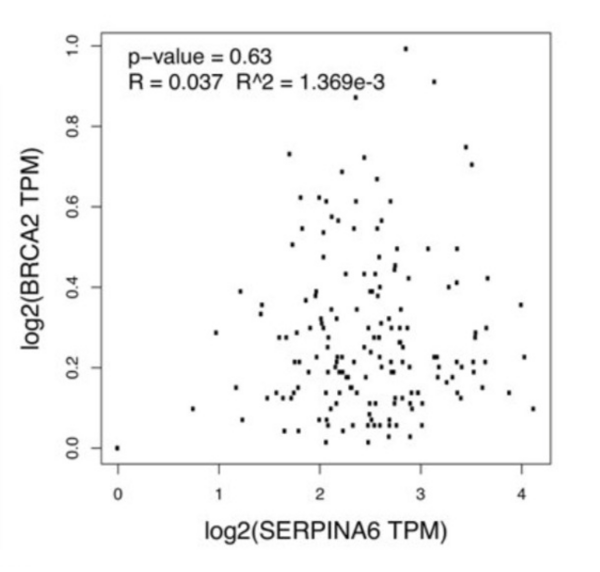
Pancreatic ductal adenocarcinoma (PDAC) is the most common form of pancreatic cancer, with early diagnosis and treatment challenges. When any of the genes KRAS, SMAD4, TP53, and BRCA2 are heavily mutated, they correlate with PDAC progression. Cellular stress, partly regulated by the gene SERPINA6, also correlates with PDAC progression. When SERPINA6 is highly expressed, corticosteroid-binding globulin inhibits the effect of the stress hormone cortisol. In this study, the authors explored whether there is an inverse correlation between the expression of SERPINA6 and PDAC-linked genes.

Read More...

Breast cancer mammographic screening by different guidelines among women of different races/ethnicities

Wang et al. | Aug 27, 2023

Breast cancer mammographic screening by different guidelines among women of different races/ethnicities

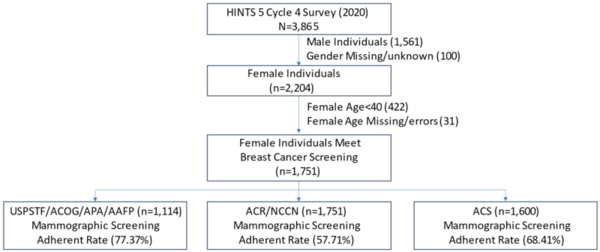
Mammographic screening is a common diagnostic tool for breast cancer among average-risk women. The authors hypothesized that adherence rates for mammographic screening may be lower among minorities (non-Hispanic black (NHB) and Hispanic/Latino) than among non-Hispanic whites (NHW) regardless of the guideline applied. The findings support other studies’ results that different racial/ethnic and socio-demographic factors can affect screening adherence. Therefore, healthcare providers should promote breast cancer screening especially among NHW/Hispanic women and women lacking insurance coverage.

Read More...

Analysis of complement system gene expression and outcome across the subtypes of glioma

Mudda et al. | May 17, 2023

Analysis of complement system gene expression and outcome across the subtypes of glioma
Image credit: National Cancer Institute

Here the authors sought to better understand glioma, cancer that occurs in the glial cells of the brain with gene expression profile analysis. They considered the expression of complement system genes across the transcriptional and IDH-mutational subtypes of low-grade glioma and glioblastoma. Based on their results of their differential gene expression analysis, they found that outcomes vary across different glioma subtypes, with evidence suggesting that categorization of the transcriptional subtypes could help inform treatment by providing an expectation for treatment responses.

Read More...

The novel function of PMS2 mutation on ovarian cancer proliferation

Cho et al. | Dec 18, 2022

The novel function of <em>PMS2</em> mutation on ovarian cancer proliferation

With disruption of DNA repair pathways pertinent to the timeline of cancer, thorough evaluation of mutations relevant to DNA repair proteins is crucial within cancer research. One such mutation includes S815L PMS2 - a mutation that results in significant decrease of DNA repair function by PMS2 protein. While mutation of PMS2 is associated with significantly increased colorectal and endometrial cancer risk, much work is left to do to establish the functional effects of the S815L PMS2 mutation in ovarian cancer progression. In this article, researchers contribute to this essential area of research by uncovering the tumor-progressive effects of the S815L PMS2 mutation in the context of ovarian cancer cell lines.

Read More...

Significance of Tumor Growth Modeling in the Behavior of Homogeneous Cancer Cell Populations: Are Tumor Growth Models Applicable to Both Heterogeneous and Homogeneous Populations?

Reddy et al. | Jun 10, 2021

Significance of Tumor Growth Modeling in the Behavior of Homogeneous Cancer Cell Populations: Are Tumor Growth Models Applicable to Both Heterogeneous and Homogeneous Populations?

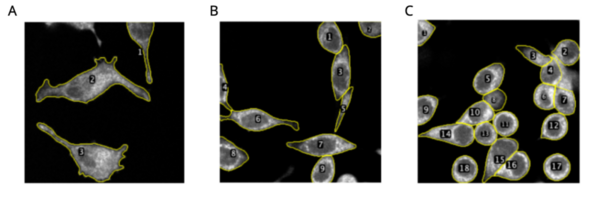
This study follows the process of single-cloning and the growth of a homogeneous cell population in a superficial environment over the course of six weeks with the end goal of showing which of five tumor growth models commonly used to predict heterogeneous cancer cell population growth (Exponential, Logistic, Gompertz, Linear, and Bertalanffy) would also best exemplify that of homogeneous cell populations.

Read More...

Effect of the Herbal Formulation HF1 on the Expression of PD-L1 in PC3 cells

Imani et al. | Nov 15, 2019

Effect of the Herbal Formulation HF1 on the Expression of PD-L1 in PC3 cells

In this study, Imani et al. investigate whether a new proprietary herbal formulation, HF1, can inhibit expression of immune suppressor protein PD-L1. PD-L1 is a transmembrane protein that can be expressed by cancer cells to assist in their ability to avoid attacks from the immune system. Work from this study demonstrates that HF1 treatment can reduce expression of PD-L1 in cultured cancer cells, implicating HF1 as a potential new cancer therapy.

Read More...

Pancreatic Adenocarcinoma: An Analysis of Drug Therapy Options through Interaction Maps and Graph Theory

Gupta et al. | Feb 04, 2014

Pancreatic Adenocarcinoma: An Analysis of Drug Therapy Options through Interaction Maps and Graph Theory

Cancer is often caused by improper function of a few proteins, and sometimes it takes only a few proteins to malfunction to cause drastic changes in cells. Here the authors look at the genes that were mutated in patients with a type of pancreatic cancer to identify proteins that are important in causing cancer. They also determined which proteins currently lack effective treatment, and suggest that certain proteins (named KRAS, CDKN2A, and RBBP8) are the most important candidates for developing drugs to treat pancreatic cancer.

Read More...