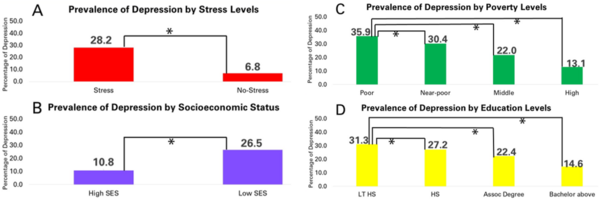
The authors use the Census Household Pulse Survey issued by the US Census Bureau to examine the prevalence of stress and depression among people across socioeconomic statuses.
Read More...Stress and depression among individuals with low socioeconomic status during economic inflation
The authors use the Census Household Pulse Survey issued by the US Census Bureau to examine the prevalence of stress and depression among people across socioeconomic statuses.
Read More...The frequency and psychological effects of name mispronunciation in an independent school
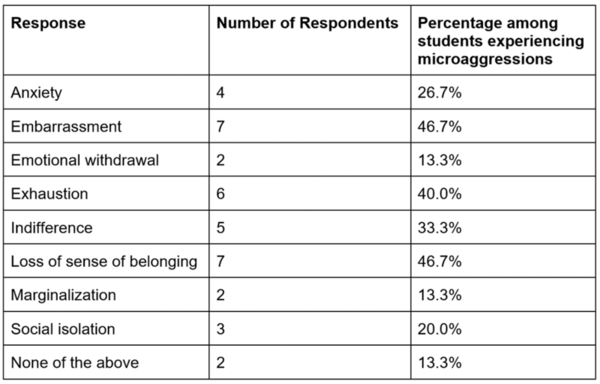
The authors survey high school students regarding the frequency of microaggressions such as name mispronunciation.
Read More...Investigating the contribution of genetic risk factors to gastric cancer in Korean-ancestry populations
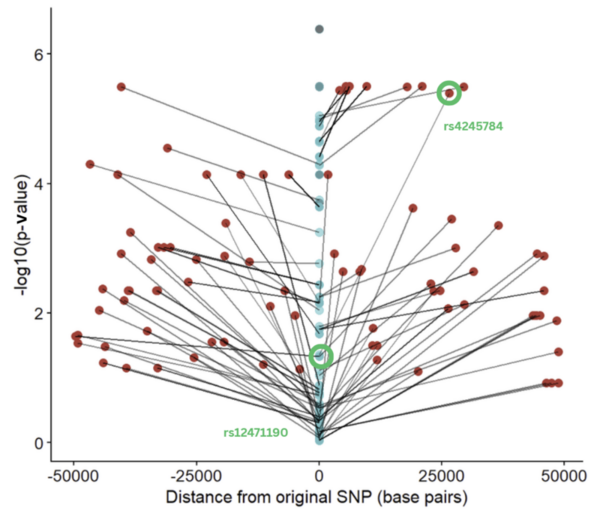
This project investigated whether previously identified genetic risk factors in non-Korean populations were associated with high gastric cancer incidence rates in Koreans.
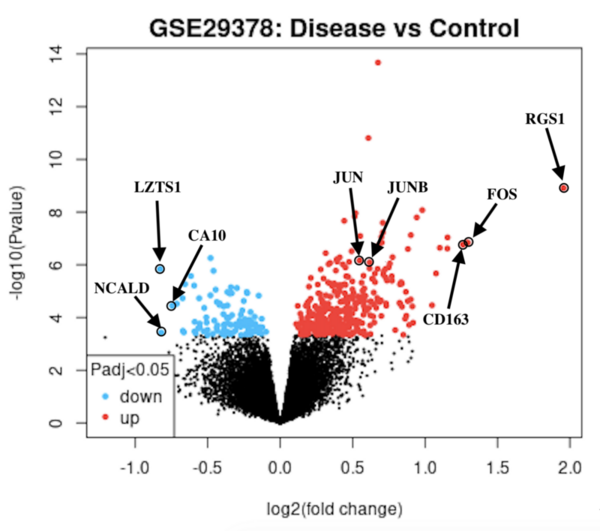
Read More...Upregulation of the AP-1 complex as a potential biomarker for Alzheimer’s disease (AD)
The sight of disparity: how social determinants shape visual impairment and blindness across the U.S.
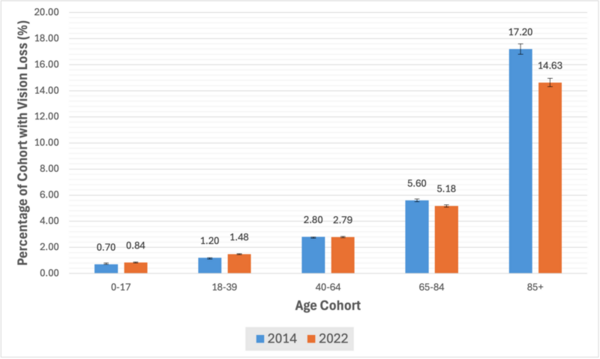
This study examined how social determinants of health (SDH) relate to vision loss by analyzing publicly available data from 18 northern and southern U.S. states and using Bayesian correlation analysis.
Read More...Impacts of childhood adversity on relationships: Expressions of affection and social connection

The authors survey adults to assess how childhood adversity may impact adult relationships and ways of giving or receiving affection.
Read More...Maternal mortality rates in the United States correlated with social determinants of health

This article helps in understanding the effect of various social determinants on maternal mortality in the United States. It explains the relationship between maternal mortality rates and factors like race, income, education, and health insurance access.
Read More...Shortage of Black physicians: Florida Black medical student enrollment from 2013 to 2021
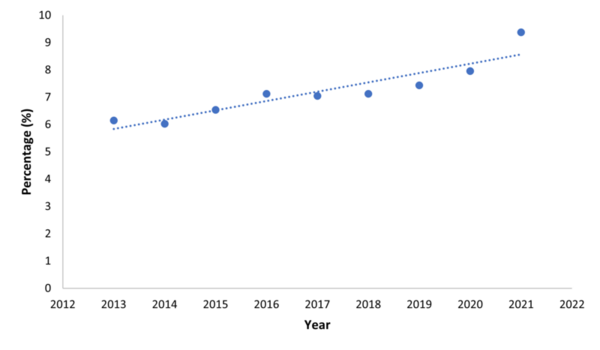
Black patients tend to have better health outcomes when cared for by Black physicians, yet Black doctors make up only 5% of U.S. physicians, despite Black people comprising 14% of the population. This analysis of data from Florida medical schools showed a higher enrollment of Black first-year students (13.5%) compared to the national average (9%), and a national increase from 6% in 2013 to 9% in 2021, aligning with the rise of social justice movements. Increasing Black medical student enrollment could reduce health disparities and improve outcomes for Black communities.
Read More...Examining the prevalence of depression in coronary artery disease patients: a cross-sectional analysis
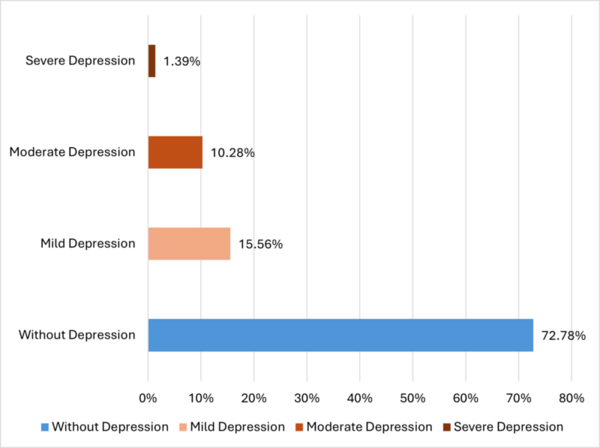
The authors surveyed individuals diagnosed with coronary artery disease about their mental health to study a potential connection between coronary artery disease and depression.
Read More...Income mobility and government spending in the United States

Recent research suggests that the "American Dream" of income mobility may be becoming increasingly hard to obtain. Datta and Schmitz explore the role of government spending in socioeconomic opportunity by determining which state government spending components are associated with increased income mobility.
Read More...