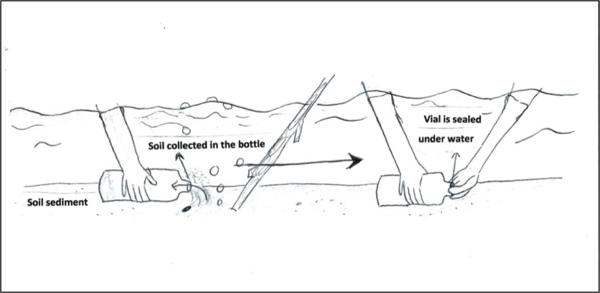
Methane is a naturally-occurring gas that could be utilized as a renewable source of energy. In this study, authors isolated microorganisms from the Puget Sound region that could produce methane biofuel from composted waste.
Read More...Biowaste to Biofuel: Using Methane-Producing Microorganisms Found in Soil Samples from Local Wetlands
Methane is a naturally-occurring gas that could be utilized as a renewable source of energy. In this study, authors isolated microorganisms from the Puget Sound region that could produce methane biofuel from composted waste.
Read More...Mapping QTLs for Popping Ability in a Popcorn × Dent Maize Genetic Cross

Have you ever wondered what contributes to the popping ability of popcorn? In this study, the authors use Quantitative Trait Locus (QTL) mapping to identify genes that may contribute to specific popping characteristics including kernel size and popping expansion volume (PEV).
Read More...Identification of a Free Radical Scavenger as an Additive for Lung Transplant Preservation Solution to Inhibit Coagulative Necrosis and Extend Organ Preservation
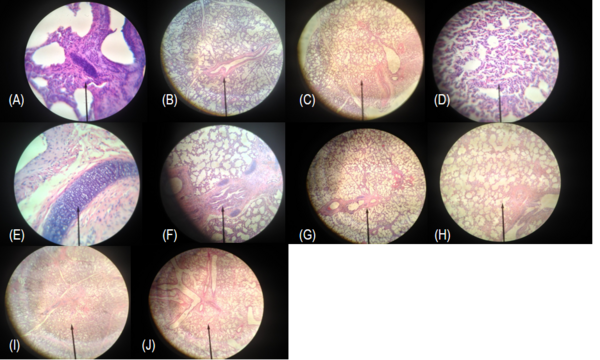
During transfer of organs from a donor to a patient, the organs deteriorate in part due to damage by free radicals. Application of antioxidant solutions could extend organ preservation times. The authors found that vitamin E and butylated hydroxytoluene seemed to be most effective in arresting cell damage of a bovine lung.
Read More...Using a Risk Assessment Questionnaire to Identify Prediabetics and Diabetics in Tandag, Philippines
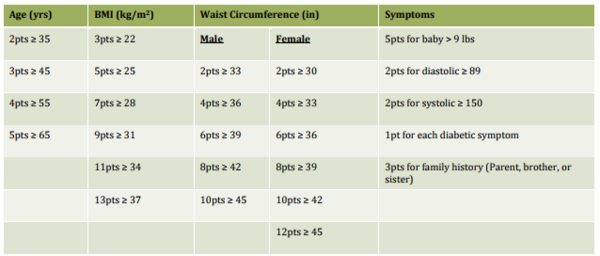
Diabetes is a growing health concern in the developing world. This study aimed to develop a questionnaire that uses factors including age, blood pressure, BMI, and family history to predict whether Filipino participants are at risk for diabetes.
Read More...Comparing Suturing And Stapling In Coronary Bypass Grafting Anastomosis
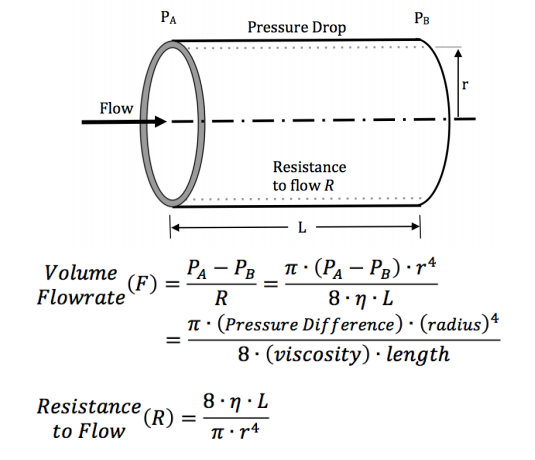
Coronary artery bypass grafts are a common technique to treat coronary heart disease. The authors compared the efficacy of suturing and stapling techniques using an artificial heart pump and silicone tubing and found that suturing, while more time and skill intensive, held pressure in the tubing better than stapling.
Read More...Pancreatic Adenocarcinoma: An Analysis of Drug Therapy Options through Interaction Maps and Graph Theory
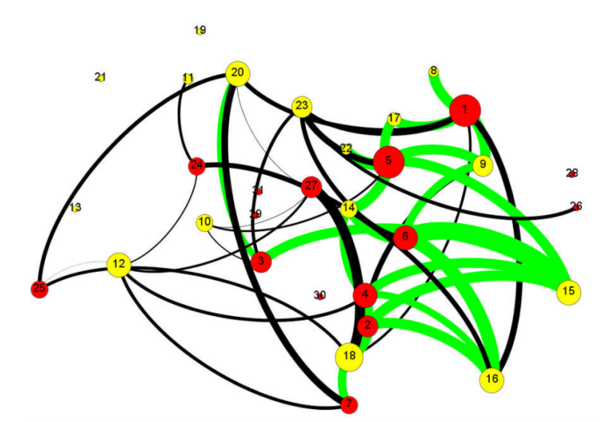
Cancer is often caused by improper function of a few proteins, and sometimes it takes only a few proteins to malfunction to cause drastic changes in cells. Here the authors look at the genes that were mutated in patients with a type of pancreatic cancer to identify proteins that are important in causing cancer. They also determined which proteins currently lack effective treatment, and suggest that certain proteins (named KRAS, CDKN2A, and RBBP8) are the most important candidates for developing drugs to treat pancreatic cancer.
Read More...Determining the Habitable Zone Around a Star
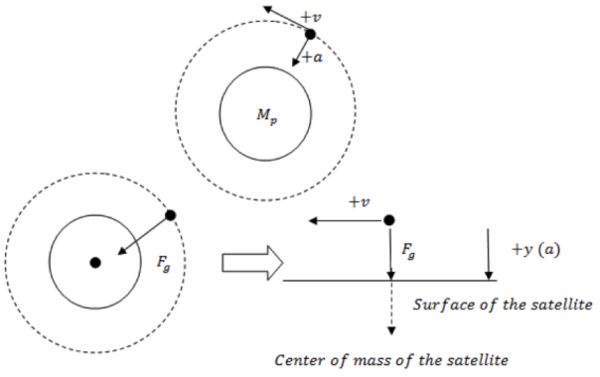
Life requires many things, including a hospitable temperature, elements, and energy. Here the authors utilize Newton's laws of physics and information relating a star's luminosity and temperature to determine the minimum and maximum masses and luminosities of planets and stars that would support life as we know it. This work can be used to determine the likelihood of a planet being able to support life based on attributes we can measure from here on Earth.
Read More...The Effects of Birth Order on Indicators of Academic Success Among High School Students of Multiple Ethnicities
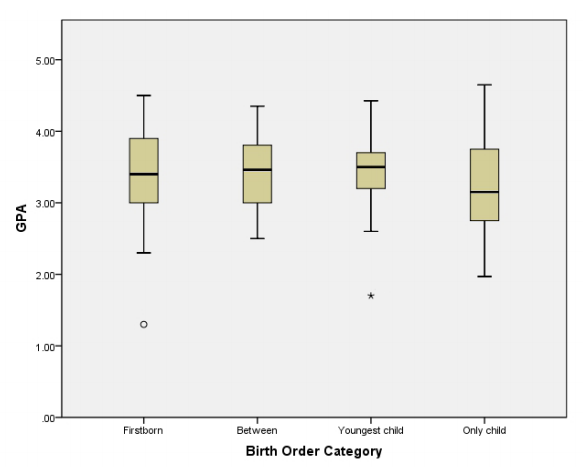
In many cultures and for many centuries, the implications of birth order have been examined. Birth order has been shown to affect personality, accomplishments, and even career choice. This study investigated the impact of birth order and ethnicity on two measures of academic success in high school: a student’s grade point average (GPA) and the number of Advanced Placement (AP) classes he or she took.
Read More...Examining the relationship between early adversity and mental health outcomes

Content warning: This article extensively discusses the causes and impacts of adverse childhood experiences, trauma, abuse, neglect, depression, and mental health disorders. Violence, self-harm, substance use, and incarceration are also mentioned.
Read More...The role of institutional prestige, gender, and number of citizenships in ballet masters’ careers