Browse Articles

Suppress that algae: Mitigating the effects of harmful algal blooms through preemptive detection & suppression

Natarajan et al. | Jul 17, 2023

Suppress that algae: Mitigating the effects of harmful algal blooms through preemptive detection & suppression
Image credit: Sharanya Natarajan

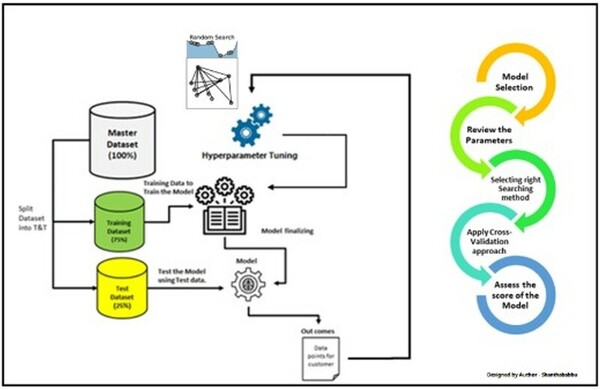
A bottleneck in deleting algal blooms is that current data section is manual and is reactionary to an existing algal bloom. These authors made a custom-designed Seek and Destroy Algal Mitigation System (SDAMS) that detects harmful algal blooms at earlier time points with astonishing accuracy, and can instantaneously suppress the pre-bloom algal population.

Read More...

Toxicity of aminomethylphosphonic acid via the Wnt signaling pathway as a novel mechanism

Zhuang et al. | Mar 08, 2023

Toxicity of aminomethylphosphonic acid via the Wnt signaling pathway as a novel mechanism
Image credit: Image credit: Dapur Melodi

The Wnt signaling pathway, known to coordinate important aspects of cellular homeostasis ranging from differentiation, proliferation, migration, and much more, is dysregulated in many human diseases. This study demonstrates that aminomethylphosphonic acid, which is the main metabolite found in the common herbicide Glyphosate, is toxic to planaria and capable of binding to canonical Wnt proteins.

Read More...

Linearity of piezoelectric response of electrospun polymer-based (PVDF) fibers with barium titanate nanoparticles

Nichitiu et al. | Feb 13, 2023

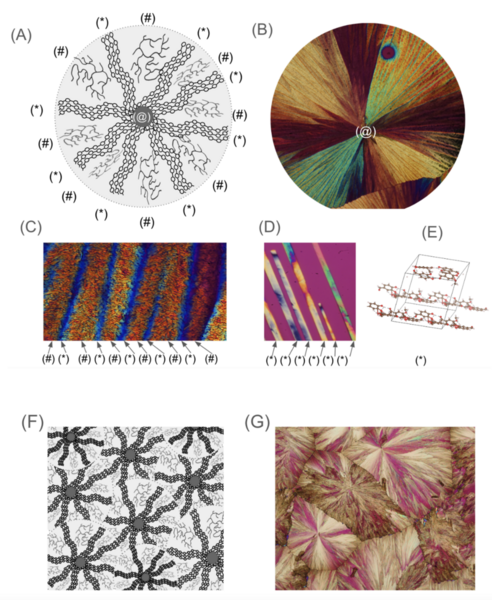
Linearity of piezoelectric response of electrospun polymer-based (PVDF) fibers with barium titanate nanoparticles

Here, seeking to develop an understanding of the properties that determine the viability of piezoelectric flexible materials for applications in electro-mechanical sensors, the authors investigated the effects of the inclusion BaTiO3 nanoparticles in electrospun Polyvinyledene Fluoride. They found the voltage generated had a piecewise linear dependence on the applied force at a few temperatures.

Read More...

Modular mimics of neuroactive alkaloids - design, synthesis, and cholinesterase inhibitory activity of rivastigmine analogs

Yu et al. | Sep 12, 2022

Modular mimics of neuroactive alkaloids - design, synthesis, and cholinesterase inhibitory activity of rivastigmine analogs

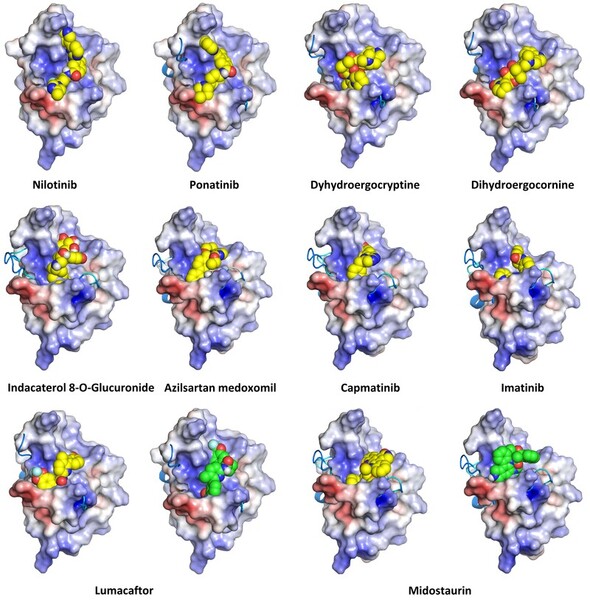
Naturally occurring neuroactive alkaloids are often studied for their potential to treat Neurological diseases. This team of students study Rivastigmine, a potent cholinesterase inhibitor that is a synthetic analog of physostigmine, which comes from the Calabar bean plant Physostigma venenosum. By comparing the effects of optimized synthetic analogs to the naturally occurring alkaloid, they determine the most favorable analog for inhibition of acetylcholinesterase (AChE), the enzyme that breaks down the neurotransmitter acetylcholine (ACh) to terminate neuronal transmission and signaling between synapses.

Read More...

Application of gene therapy for reversing T-cell dysfunction in cancer

Hyun Lee et al. | Aug 25, 2022

Application of gene therapy for reversing T-cell dysfunction in cancer

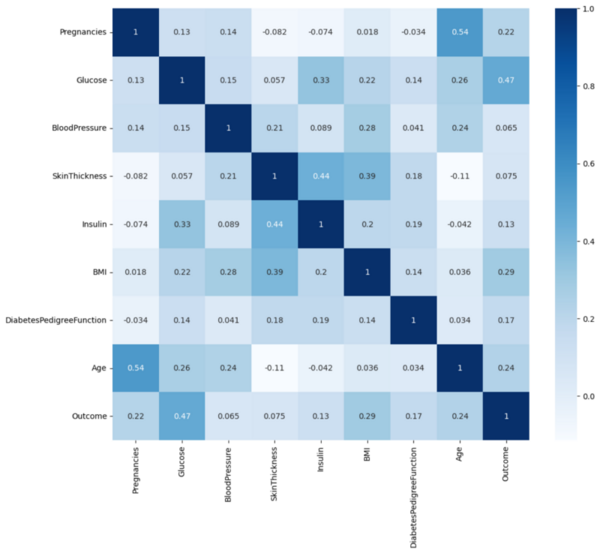
Since cancer cells inhibit T-cell activity, the authors investigated a method to reverse T-cell disfunction with gene therapy, so that the T-cells would become effective once again in fighting cancer cells. They used the inhibition of proprotein convertases (PCSK1) in T cells and programmed death-ligand 1 (CD274) in cancer cells. They observed the recovery of IL-2 expression in Jurkat cells, with increased recovery noted in a co-culture sample. This study suggests a novel strategy to reactivate T cells.

Read More...