
Domestic waste classification using convolutional neural network
Read More...Class distinctions in automated domestic waste classification with a convolutional neural network
Domestic waste classification using convolutional neural network
Read More...Changing the surface properties of the backside of a silicon wafer to repel oil and prevent particle binding
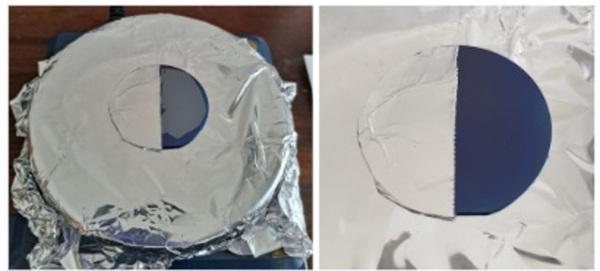
Wafers, essential in microchip production, can develop issues like leveling problems and wafer slip due to the formation of silanol bonds on their backside, which attract silica particles and oil. Authors tested addressing this issue with a coating of [acetoxy(polyethyleneoxy)propyl]triethoxysilane (APTS) applied to the wafer’s backside, preventing particle binding and oil adherence.
Read More...Optimizing surface contact area and electrolyte type to develop a more effective rechargeable battery
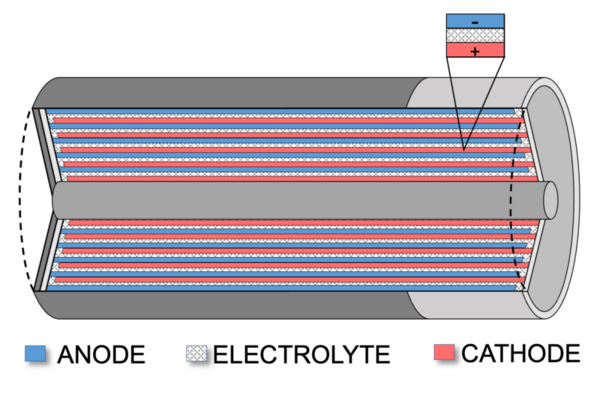
Rechargeable batteries are playing an increasingly prominent role in our lives due to the ongoing transition from fossil energy sources to green energy. The purpose of this study was to investigate variables that impact the effectiveness of rechargeable batteries. Alkaline (non-rechargeable) and rechargeable batteries share common features that are critical for the operation of a battery. The positive and negative electrodes, also known as the cathode and anode, are where the energy of the battery is stored. The electrolyte is what facilitates the transfer of cations and anions in a battery to generate electricity. Due to the importance of these components, we felt that a systematic investigation examining the surface area of the cathode and anode as well the impact of electrolytes with different properties on battery performance was justified. Utilizing a copper cathode and aluminum anode coupled with a water in salt electrolyte, a model rechargeable battery system was developed to test two hypotheses: a) increasing the contact area between the electrodes and electrolyte would improve battery capacity, and b) more soluble salt-based electrolytes would improve battery capacity. After soaking in an electrolyte solution, the battery was charged and the capacity, starting voltage, and ending voltage of each battery were measured. The results of this study supported our hypothesis that larger anode/cathodes surface areas and more ionic electrolytes such as sodium chloride, potassium chloride and potassium sulfate resulted in superior battery capacity. Incorporating these findings can help maximize the efficiency of commercial rechargeable batteries.
Read More...The effect of circumference on the segregation of objects in a mixture
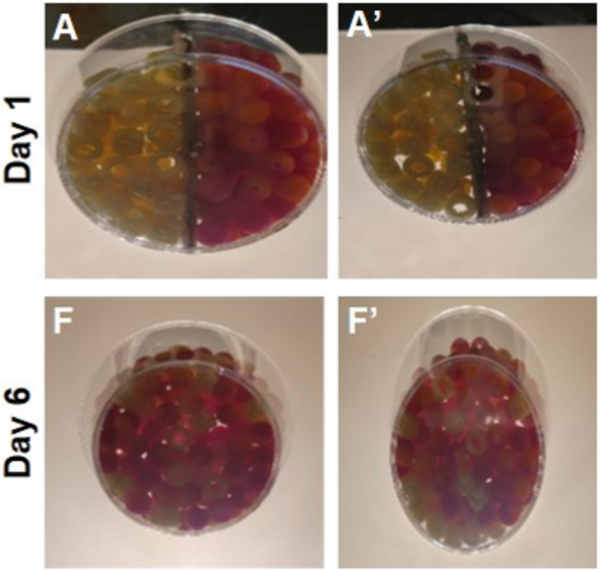
The authors test how the size-segregation theory applies to the behavior of hollow and irregular-shaped objects.
Read More...Behaviors and attitudes concerning disposable masks and the environment: A D.C. high school case study

The authors looked at student behaviors around disposal of face masks. The goal of the study was to bring awareness to improper mask disposal and how the resulting litter contributes to overall environmental pollution.
Read More...Digestion products of bread and cheese cause addictive behavior in a planaria model
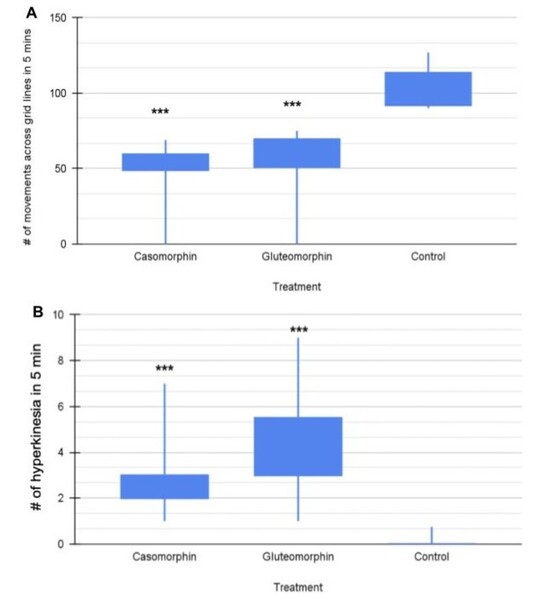
The authors looked at two peptides, gluteomorphin and casomorphin, that are present after the digestion of bread and cheese. As these peptides can bind opioid receptors the authors want to know if they could be addictive in the same way as conventional opioids (i.e., morphine) are known to be. Their results in a planaria model suggest that both of these peptides are addictive.
Read More...The effect of bioenhancers on ampicillin-sulbactam as a treatment against A. baumannii
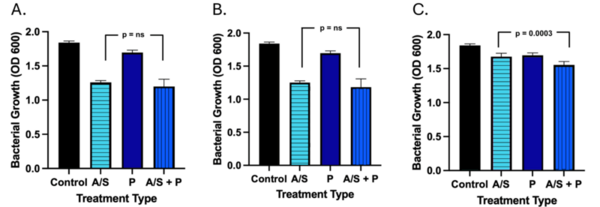
This article explores the potential of piperine, a bioenhancer from black pepper, to improve antibiotic efficacy against antibiotic-resistant Acinetobacter baumannii. By combining piperine with ampicillin-sulbactam, the study demonstrated a significant reduction in bacterial growth for most strains tested, showcasing the promise of bioenhancers in combating resistant pathogens. This research highlights the possibility of reducing the required antibiotic dosage, potentially offering a new strategy in the fight against drug-resistant bacteria.
Read More...Examining the prevalence of depression in coronary artery disease patients: a cross-sectional analysis
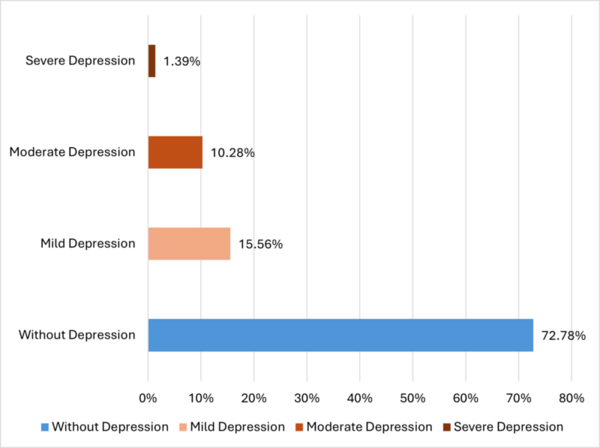
The authors surveyed individuals diagnosed with coronary artery disease about their mental health to study a potential connection between coronary artery disease and depression.
Read More...The effect of Omega-3 on bovine blood cells as a potential remedy for Cerebral Cavernous Malformations

Here, the authors investigated if dietary Omega-3 fatty acids could reduce the potential for cerebral cavernous malformations, which are brain lesions that occur due to a genetic mutation where high membrane permeability occurs between endothelial cell junctions. In a bovine-based study where some cows were fed an Omega-3 diet, the authors found the membranes of bovine blood cells increased in thickness with Omega-3 supplementation. As a result, they suggest that dietary Omega-3 could be considered as a possible preventative measure for cerebral cavernous malformations.
Read More...Simulation of cosmic rays in the presence of a magnetic field
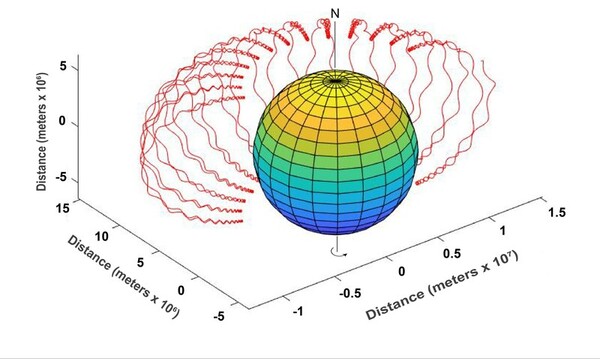
In this study the authors looked the trajectories of cosmic rays moving through a dipole field. They found that the trajectories of cosmic rays are determined by a particle's energy and interaction with Earth's B field.
Read More...