Browse Articles

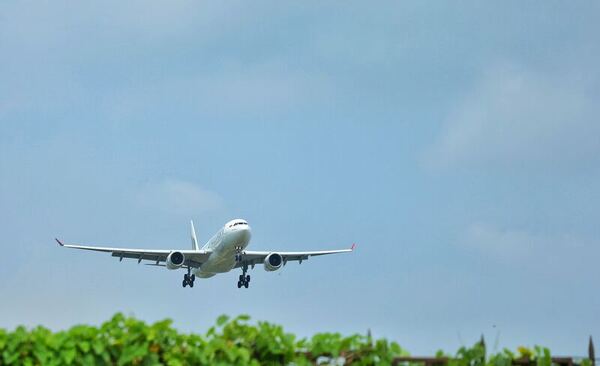
Flight paths over greenspace in major United States airports

Lee et al. | Sep 26, 2023

Flight paths over greenspace in major United States airports
Image credit: Mostafijur Rahman Nasim

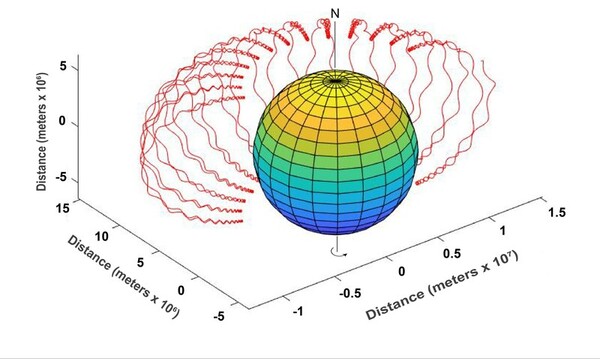
Greenspaces (urban and wetland areas that contain vegetation) are beneficial to reducing pollution, while airplanes are a highly-polluting method of transportation. The authors examine the intersection of these two environmental factors by processing satellite images to reveal what percentage of flight paths go over greenspaces at major US airports.

Read More...

The Effects of Antioxidants on the Climbing Abilities of Drosophila melanogaster Exposed to Dental Resin

Prashanth et al. | Jan 17, 2019

The Effects of Antioxidants on the Climbing Abilities of <em>Drosophila melanogaster</em> Exposed to Dental Resin

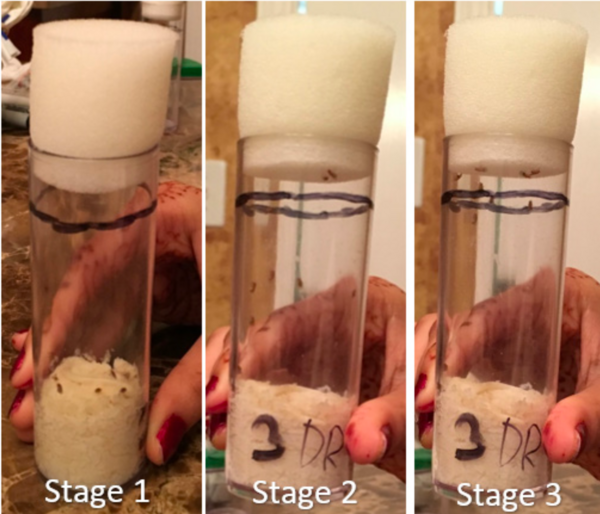
Dental resins can be a source of reactive oxygen species (ROS) which in unruly amounts can be toxic to cellular and overall health. In this report, the authors test whether the consumption of antioxidant rich foods like avocado and asparagus can protect against the effect of dental resin-derived ROS. However, rather than testing humans, they use fruit flies and their climbing abilities as an experimental readout.

Read More...

Automated classification of nebulae using deep learning & machine learning for enhanced discovery

Nair et al. | Feb 01, 2024

Automated classification of nebulae using deep learning & machine learning for enhanced discovery

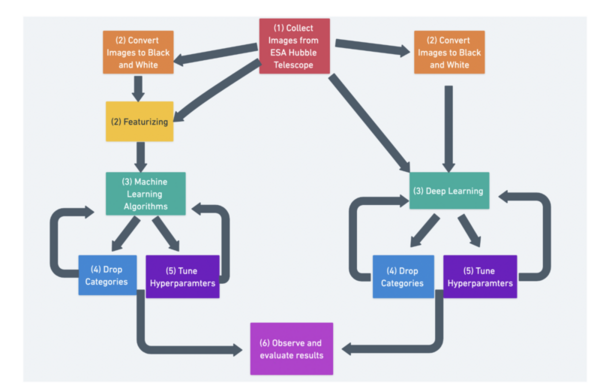
There are believed to be ~20,000 nebulae in the Milky Way Galaxy. However, humans have only cataloged ~1,800 of them even though we have gathered 1.3 million nebula images. Classification of nebulae is important as it helps scientists understand the chemical composition of a nebula which in turn helps them understand the material of the original star. Our research on nebulae classification aims to make the process of classifying new nebulae faster and more accurate using a hybrid of deep learning and machine learning techniques.

Read More...