Browse Articles

Exploring natural ways to maintain keratin production in hair follicles

Roy et al. | Apr 29, 2024

Exploring natural ways to maintain keratin production in hair follicles
Image credit: Roy and Roy, 2024

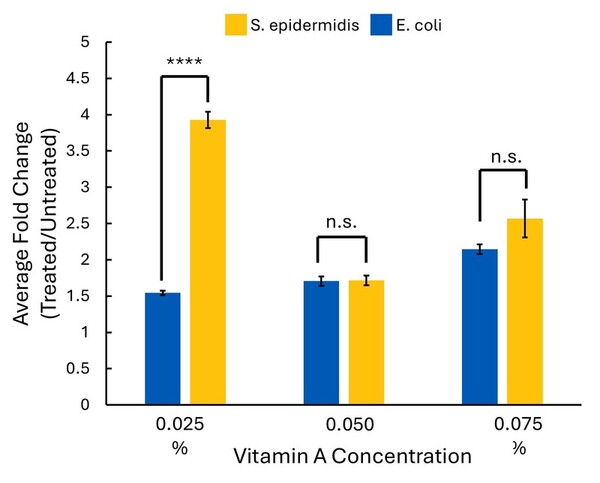
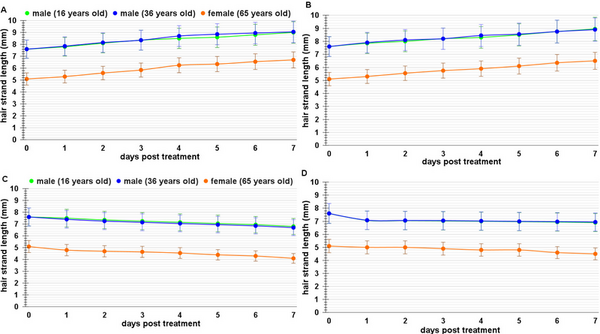
We are looking into natural ways to help hair grow better and stronger by studying keratin synthesis in human hair follicles. The reason for conducting this research was to have the ability to control hair growth through future innovations. We wanted to answer the question: How can we find natural ways to enhance hair growth by understanding the connection with natural resources, particularly keratin dynamics? The main focus of this experiment is understanding the promotion of keratin synthesis within human hair follicles, which is important for hair development and health. While keratin is essential for the growth and strength of body tissues, including skin and hair, our research hints at its specific synthesis within hair follicles. In our research utilizing castor oil, coconut oil, a turmeric and baking soda mixture, and a sugar, honey, and lemon mixture, we hypothesize that oils, specifically coconut oil and castor oil, will enhance keratin synthesis, whereas mixtures, such as the turmeric and baking soda mixture and the sugar, honey, and lemon mixture, will result in a decrease keratin synthesis. The methods used show how different natural substances influence keratin formation within the hair follicles. The experiment involved applying natural resources to hair strands and follicles, measuring their length under the microscope daily, and assessing their health and characteristics over seven days. In summary, our research helps us understand how hair grows better. We found that using natural items like essential oils effectively alters keratin growth within the hair follicles and hair strands.

Read More...

RNAi-based Gene Therapy Targeting ZGPAT Promotes EGF-dependent Wound Healing

Lee et al. | Nov 15, 2021

RNAi-based Gene Therapy Targeting ZGPAT Promotes EGF-dependent Wound Healing

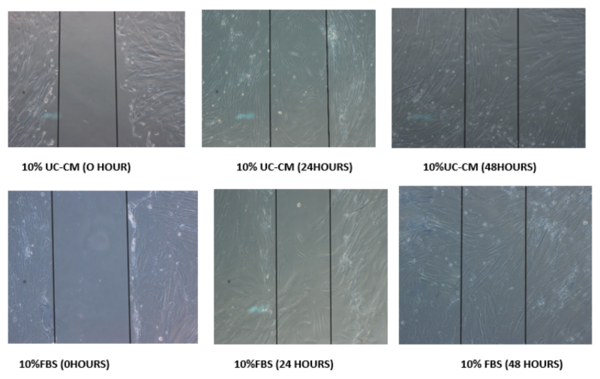
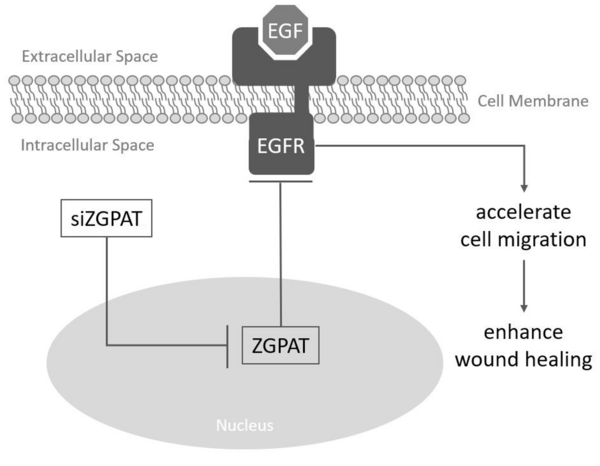
Wound-healing involves a sequence of events, such as inflammation, proliferation, and migration of different cell types like fibroblasts. Zinc Finger CCCH-type with G-Patch Domain Containing Protein (ZGPAT), encodes a protein that has its main role as a transcription repressor by binding to a specific DNA sequence. The aim of the study was to find out whether inhibiting ZGPAT will expedite the wound healing process by accelerating cell migration. This treatment strategy can provide a key to the development of wound healing strategies in medicine and cellular biology.

Read More...

Improving Wound Healing by Breaking Down Biofilm Formation and Reducing Nosocomial Infections

DiStefano et al. | Jul 09, 2019

Improving Wound Healing by Breaking Down Biofilm Formation and Reducing Nosocomial Infections

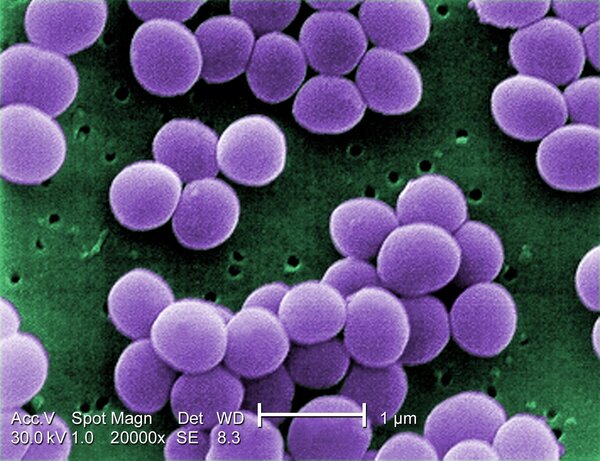
In a 10-year period in the early 2000’s, hospital-based (nosocomial) infections increased by 123%, and this number is increasing as time goes on. The purpose of this experiment was to use hyaluronic acid, silver nanoparticles, and a bacteriophage cocktail to create a hydrogel that promotes wound healing by increasing cell proliferation while simultaneously disrupting biofilm formation and breaking down Staphylococcus aureus and Pseudomonas aeruginosa, which are two strains of bacteria that attribute to nosocomial infections and are increasing in antibiotic resistance.

Read More...

Using Artificial Intelligence to Forecast Continuous Glucose Monitor(CGM) readings for Type One Diabetes

Jalla et al. | Aug 07, 2024

Using Artificial Intelligence to Forecast Continuous Glucose Monitor(CGM) readings for Type One Diabetes
Image credit: The authors

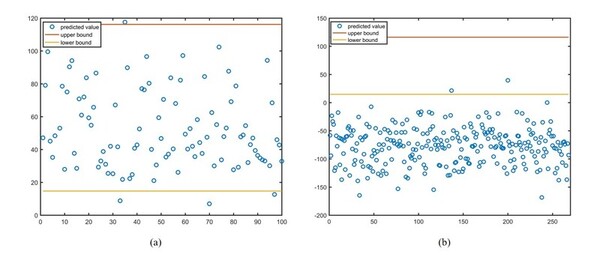
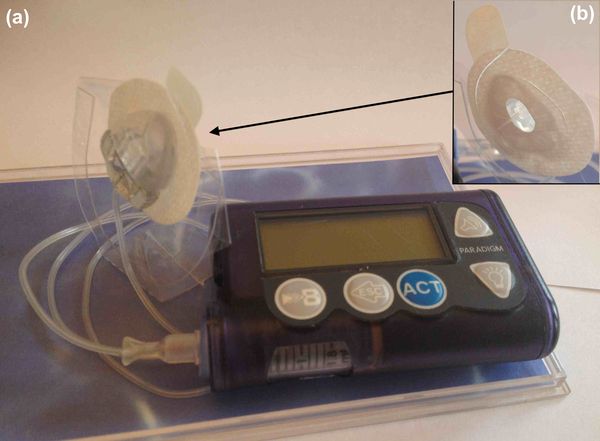
People with Type One diabetes often rely on Continuous Blood Glucose Monitors (CGMs) to track their blood glucose and manage their condition. Researchers are now working to help people with Type One diabetes more easily monitor their health by developing models that will future blood glucose levels based on CGM readings. Jalla and Ghanta tackle this issue by exploring the use of AI models to forecast blood glucose levels with CGM data.

Read More...

Colorism and the killing of unarmed African Americans by police

Hempfield et al. | Nov 08, 2021

Colorism and the killing of unarmed African Americans by police

The purpose of this study was to investigate the relationship between colorism and police killings of unarmed African American suspects. The authors collected data from the Washington Post database, which reports unarmed African American victims from 2015–2021, and found that the victims who were killed by police were darker on average than a control population of African Americans that had not encountered the police.

Read More...

Physical Appearance and Its Effect on Trust

Ledesma et al. | Nov 09, 2020

Physical Appearance and Its Effect on Trust

Do different physical traits affect teenagers’ initial trust of an unknown person? Would they give greater trust to women and people of similar ethnicity? To test these hypotheses, the authors developed a survey to determine the sets of physical characteristics that affect a person's trustworthiness. They found that gender and expression were the main physical traits associated with how trustworthy an individual looks, while ethnicity was also important.

Read More...

Fluorescein or Green Fluorescent Protein: Is It Possible to Create a Sensor for Dehydration?

Joshi et al. | Dec 09, 2019

Fluorescein or Green Fluorescent Protein: Is It Possible to Create a Sensor for Dehydration?

Currently there is no early dehydration detection system using temperature and pH as indicators. A sensor could alert the wearer and others of low hydration levels, which would normally be difficult to catch prior to more serious complications resulting from dehydration. In this study, a protein fluorophore, green fluorescent protein (GFP), and a chemical fluorophore, fluorescein, were tested for a change in fluorescence in response to increased temperature or decreased pH. Reversing the pH change did not restore GFP fluorescence, but that of fluorescein was re-established. This finding suggests that fluorescein could be used as a reusable sensor for a dehydration-related pH change.

Read More...