Browse Articles

The juxtaposition of anatomy and physics in the eye

Zhou et al. | Oct 25, 2023

The juxtaposition of anatomy and physics in the eye

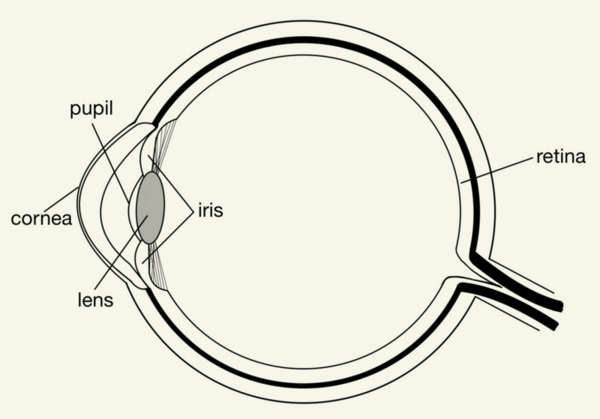
People are quick to accept the assumption that a light will appear dimmer the farther away they are, citing the inverse square relationship that illuminance obeys as rationale. However, repeated observations of light sources maintaining their brightness over large distances prompted us to explore how the brightness, or perceived illuminance of a light varies with the viewing distance from the object. We hypothesized that since both the illuminance of the light source and image size decrease at the same rate, then the concentration, or intensity of the image remains unchanged, and subsequently the perceived illuminance.

Read More...
Artificial Intelligence-Based Smart Solution to Reduce Respiratory Problems Caused by Air Pollution

Bhardwaj et al. | Dec 14, 2021

Artificial Intelligence-Based Smart Solution to Reduce Respiratory Problems Caused by Air Pollution

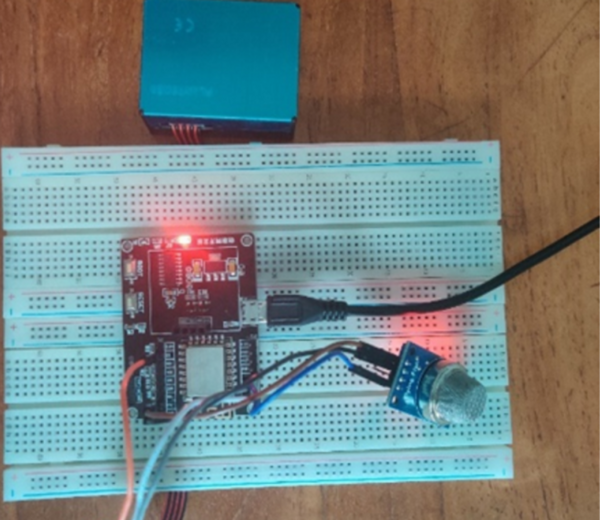
In this report, Bhardwaj and Sharma tested whether placing specific plants indoors can reduce levels of indoor air pollution that can lead to lung-related illnesses. Using machine learning, they show that plants improved overall indoor air quality and reduced levels of particulate matter. They suggest that plant-based interventions coupled with sensors may be a useful long-term solution to reducing and maintaining indoor air pollution.

Read More...

Automated dynamic lighting control system to reduce energy consumption in daylight

Jagannathan et al. | Jun 17, 2024

Automated dynamic lighting control system to reduce energy consumption in daylight
Image credit: Jagannathan and Mehrotra 2024

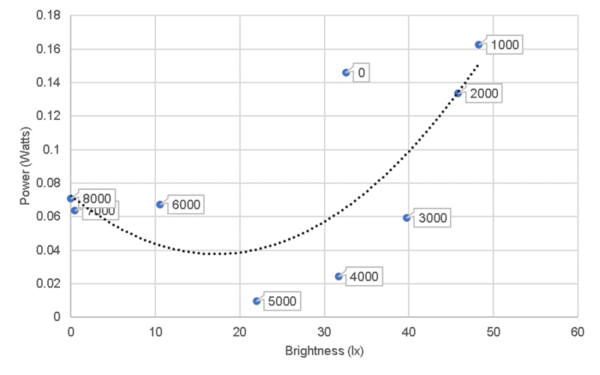
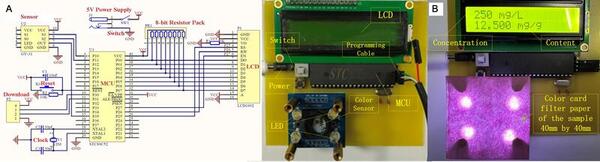
Buildings, which are responsible for the majority of electricity consumption in cities like Dubai, are often exclusively reliant on electrical lighting even in the presence of daylight to meet the illumination requirements of the building. This inefficient use of lighting creates potential to further optimize the energy efficiency of buildings by complementing natural light with electrical lighting. Prior research has mostly used ballasts (variable resistors) to regulate the brightness of bulbs. There has been limited research pertaining to the use of pulse width modulation (PWM) and the use of ‘triodes for alternating current’ (TRIACs). PWM and TRIACs rapidly stop and restart the flow of current to the bulb thus saving energy whilst maintaining a constant illumination level of a space. We conducted experiments to investigate the feasibility of using TRIACs and PWM in regulating the brightness of bulbs. We also established the relationship between power and brightness within the experimental setups. Our results indicate that lighting systems can be regulated through these alternate methods and that there is potential to save up to 16% of energy used without affecting the overall lighting of a given space. Since most energy used in buildings is still produced through fossil fuels, energy savings from lighting systems could contribute towards a lower carbon footprint. Our study provides an innovative solution to conserve light energy in buildings during daytime.

Read More...