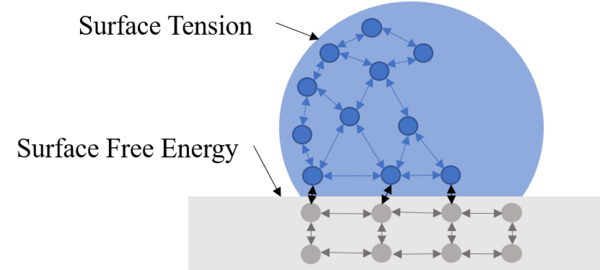
In this study, the authors were interested in developing a hydrophobic surface that will extend the lifespan of metals by reducing water exposure and other damage. The used a zinc coating on steel to pursue this effort.
Read More...The Development of a Superhydrophobic Surface Using Electrolytic Deposition & Polymer Chains Precipitation
In this study, the authors were interested in developing a hydrophobic surface that will extend the lifespan of metals by reducing water exposure and other damage. The used a zinc coating on steel to pursue this effort.
Read More...A 3D printed triboelectric nanogenerator for bridge vibration energy harvesting and sensing
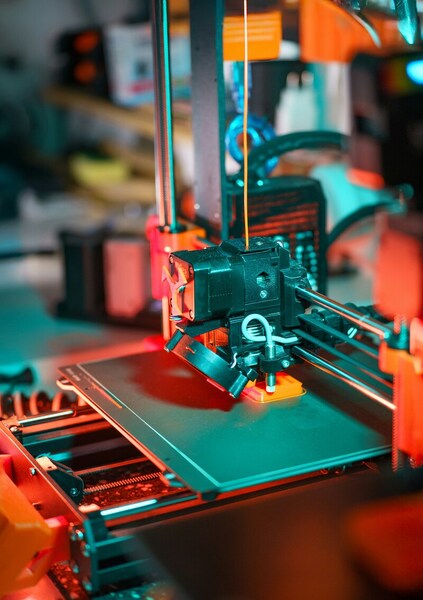
This study strongly illustrates that optimizing 3D printing parameters would enhance a triboelectric nanogenerator's performance. The design improvements substantiate the potential of optimized, 3D-printed TENGs for developing scalable, cost-effective solutions for powering low-energy electronics, particularly in applications such as structural health monitoring.
Read More...Fractal dimensions of crumpled paper

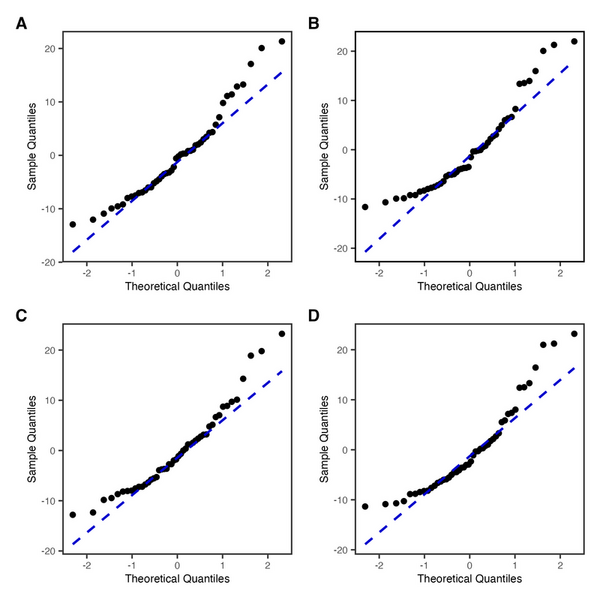
Here, beginning from an interest in fractals, infinitely complex shapes. The authors investigated the fractal object that results from crumpling a sheet of paper. They determined its fractal dimension using continuous Chi-squared analysis, thereby testing and validating their model against the more conventional least squares analysis.
Read More...Molecular Dynamics Simulations of Periplasmic Proteins Interacting With the Peptidoglycan Layer of Escherichia coli
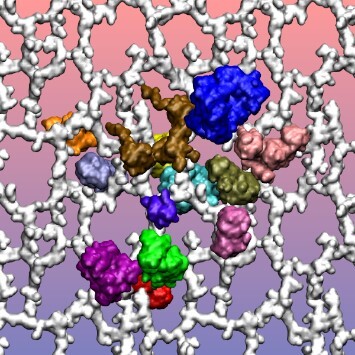
Molecular dynamics (MD) simulations are a great tool to model and study complex biological systems. In this paper, the authors use MD simulations to construct and simulate a model of the periplasmic space, the peptidoglycan layer and its associated proteins, in an Escherichia coli cell.
Read More...Puzzle to progress: relationship between Rubik’s Cube solving proficiency, spatial visualization, and anxiety
This study examined whether Rubik’s Cube solving ability is related to spatial visualization skills and stress levels.
Read More...An in silico molecular analysis of the antifungal properties of Ageratum conyzoides

This study explores the interaction between precocene II and trichocethecene 3-O-acetyltransferase using molecular docking simulations. Computational analysis identified several potential binding sites on the enzyme surface and predicted favorable ligand-protein interactions involving key residues. These findings provide insight into how precocene II may interact with this enzyme and demonstrate the use of computational approaches to explore potential antifungal mechanisms.
Read More...Investigating consumers’ motivations for luxury brand consumption and its impact on mental health
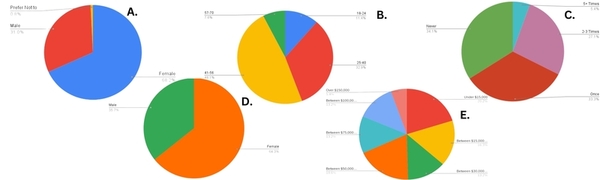
The luxury market has grown through digital marketing, with many brands benefiting from exclusivity, which limits product availability. While exclusivity boosts sales, it may negatively affect consumers' mental health. This study of 129 respondents explored the main motivation for purchasing luxury goods and connection to mental health.
Read More...Exploring differences in men’s marijuana consumption and cigarette smoking by race and citizenship status
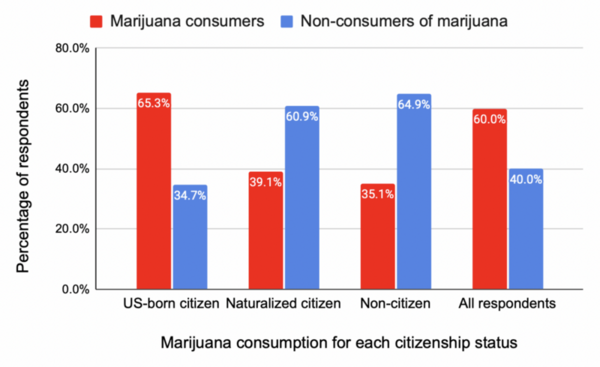
This study examined the relationship between citizenship status, racial background, and the use of marijuana and cigarettes among males in California using data from the 2017–2018 California Health Interview Survey. Findings indicated that non-citizens and naturalized citizens were less likely to use marijuana compared to US-born citizens, while Asian and Latino males were less likely to consume marijuana than White males. Additionally, various racial groups were more likely to smoke cigarettes compared to White males, suggesting that targeted health interventions based on citizenship status and race could be beneficial.
Read More...Investigating the impact of the COVID-19 pandemic on the cognitive dissonance of adolescents
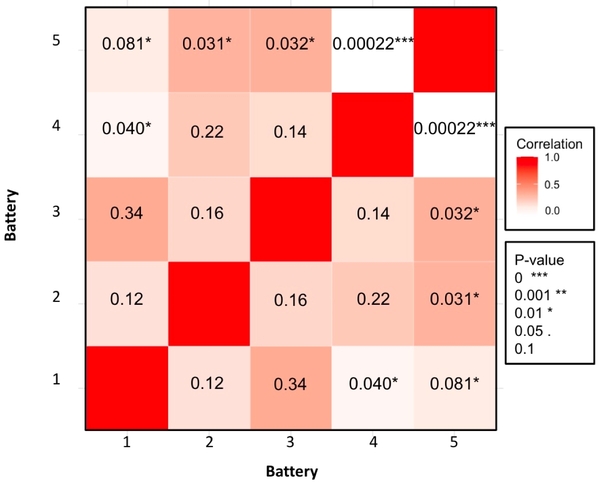
The authors survey adolescents about aspects of the COVID-19 pandemic to explore perspectives that may give rise to cognitive dissonance.
Read More...The effects of social media on STEM identity in adolescent girls

Social media is widely used and easily accessible for adolescents, it has the potential to increase STEM (Science, Technology, Engineering, and Math) identity in girls. We aimed to investigate the effects of exposure to counter-stereotypical portrayals of women in STEM on social media on the STEM identity of adolescent girls. The study concluded that social media alone may not be an effective tool to increase STEM identity in girls. Social media can still be used as a complementary tool to support and encourage women in STEM, but it should not be relied upon solely to address the gender disparity in STEM fields.
Read More...