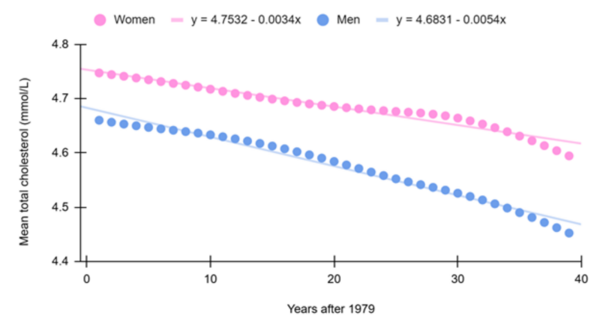
This study explores global trends in average total cholesterol levels among adults from 1980 to 2018, finding a significant decline in both men and women, with a sharper decrease among men. While these improvements likely reflect advances in public health and medical treatment, the persistent gender gap highlights the need for more targeted approaches to cardiovascular disease prevention.
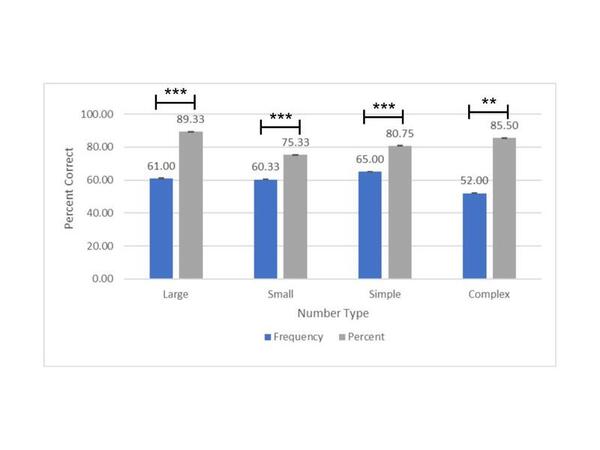
It can be challenging for the general public to understand data on medical risk. Weseley-Jones and Mordechai tackle this issue by conducting a survey to assess people's skill and comfort with understanding medical risk information in percentage and frequency formats.
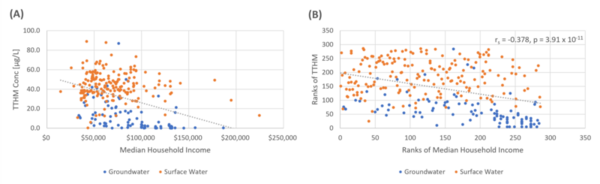
Trihalomethanes, probable human carcinogens, are commonly found disinfection by-products (DBPs) in public water systems (PWS). The authors investigated the correlation between trihalomethane concentrations and socioeconomic factors in New York State, finding a negative correlation between median household income and trihalomethane concentrations. The inverse association between trihalomethanes and household income may indicate socioeconomic disparity regarding drinking water quality and the need for improved efforts to assist small- and medium-sized community water systems to lower DBP levels in New York State.
The Environmental Protection Agency (EPA) reports a significant number of heavy metal-contaminated sites across the United States. To address this public health concern, rhizoremediation using microbes has emerged as a promising solution. Here, a combination of soil microbes were inoculated in the rhizosphere in soil contaminated with 500 parts per million (ppm) of lead. Results showed rhizoremediation is an effective bioremediation strategy and may increase crop productivity by converting nonarable lands into arable lands.
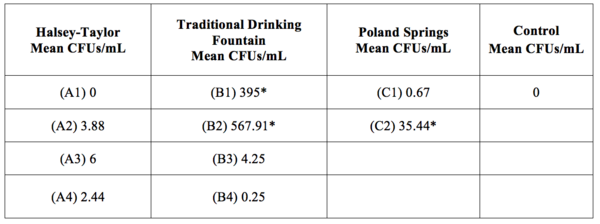
Clean drinking water is an essential component to maintaining public health. The authors of this study tested the bacterial load of water from three different disinfection and filtration systems in order to determine which system might be superior.
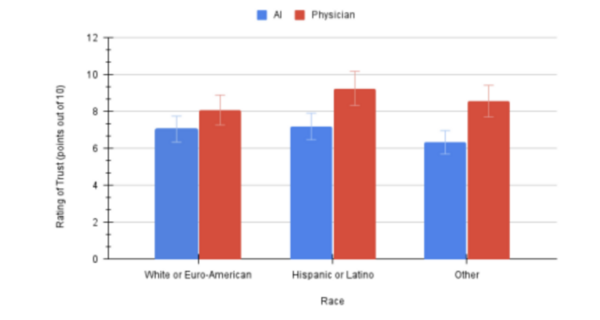
As AI becomes more integrated into healthcare, public trust in AI-developed treatment plans remains a concern, especially for emotionally charged health decisions. In a study of 81 community college students, AI-created treatment plans received lower trust ratings compared to physician-developed plans, supporting the hypothesis. The study found no significant differences in AI trust levels across demographic factors, suggesting overall skepticism toward AI-driven healthcare.
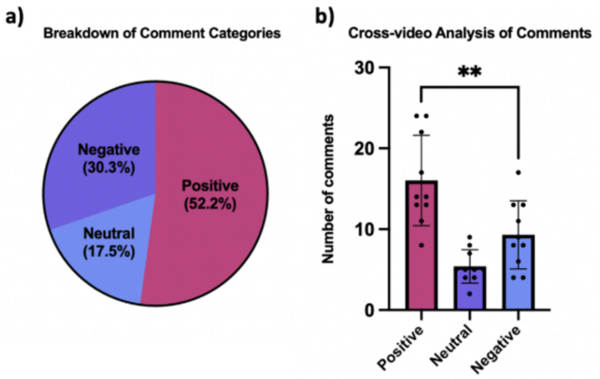
Social media, especially among adolescents, has become a popular communication tool, but its link to negative mental health outcomes is a growing concern. This study analyzed public comments on Lizzo's social media, focusing on the nature of praise and criticism.
Here, the authorized analyzed data from the Florida Department of Education Office of Safe Schools regarding disciplinary outcomes in Collier County public schools. They reported that Black Students were more likely to receive both in-school and out-of-school suspensions than White students, which they concluded suggests racial inequities in school discipline that requires addressing as a society.
Glioblastoma Multiforme (GBM) is the most malignant brain tumor with the highest fraction of genome alterations (FGA), manifesting poor disease-free status (DFS) and overall survival (OS). We explored The Cancer Genome Atlas (TCGA) and cBioportal public dataset- Firehose legacy GBM to study DNA repair genes Activating Signal Cointegrator 1 Complex Subunit 3 (ASCC3) and Alpha-Ketoglutarate-Dependent Dioxygenase AlkB Homolog 3 (ALKBH3). To test our hypothesis that these genes have correlations with FGA and can better determine prognosis and survival, we sorted the dataset to arrive at 254 patients. Analyzing using RStudio, both ASCC3 and ALKBH3 demonstrated hypomethylation in 82.3% and 61.8% of patients, respectively. Interestingly, low mRNA expression was observed in both these genes. We further conducted correlation tests between both methylation and mRNA expression of these genes with FGA. ASCC3 was found to be negatively correlated, while ALKBH3 was found to be positively correlated, potentially indicating contrasting dysregulation of these two genes. Prognostic analysis showed the following: ASCC3 hypomethylation is significant with DFS and high ASCC3 mRNA expression to be significant with OS, demonstrating ASCC3’s potential as disease prediction marker.
The authors compared the short-term effects of processed versus unprocessed food on spatial learning and survival in zebrafish, given the large public concern regarding processed foods. By randomly assigning zebrafish to a diet of brine shrimp flakes (processed) or live brine shrimp (unprocessed), the authors show while there is no immediate effect on a fish's decision process between the two diets, there are significant correlations between improved learning and stress response with the unprocessed diet.