Browse Articles

Comparing the Biodegradability of Petroleum-based Plastic with a Novel, Sustainable Bio-plastic Alternative

Van Note et al. | Dec 02, 2020

Comparing the Biodegradability of Petroleum-based Plastic with a Novel, Sustainable Bio-plastic Alternative

In this research, a novel bioplastic inclusive of bamboo tannins and chitosan is selected from more than 60 trial formula variations based on resulting strength, fatigue, and transparency attributes. The biodegradability of the finalized bioplastic is compared to that of conventional polyethylene, in addition to investigating its solubility and water absorbance. This research displays the potential of a legitimate, fully biodegradable plastic alternative to current marketplace bioplastics.

Read More...

Efficacy of electrolytic treatment on degrading microplastics in tap water

Schroder et al. | Apr 23, 2023

Efficacy of electrolytic treatment on degrading microplastics in tap water
Image credit: Imani

Here seeking to identify a method to remove harmful microplastics from water, the authors investigated the viability of using electrolysis to degrade microplastics in tap water. Compared to control samples, they found electrolysis treatment to significantly the number of net microplastics, suggesting that this treatment could potentially implemented into homes or drinking water treatment facilities.

Read More...

Comparative life cycle analysis: Solvent recycling and improved dewatering scenarios in PHB plastic production

Chiu et al. | Jun 13, 2025

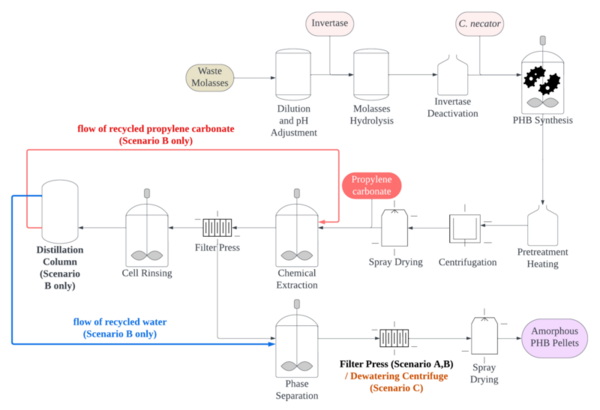
Comparative life cycle analysis: Solvent recycling and improved dewatering scenarios in PHB plastic production

The authors looked at alternative production processes for PHB plastic in an effort to reduce environmental impact. They found that no alternative process was able to significantly decrease the environmental impact of PHB production, but that optimizing dewatering steps during production could lead to the largest improvement on environmental impact.

Read More...

The effects of plasticizers on the mechanical properties and chemical composition of a gelatin biopolymer

Ip et al. | Jul 28, 2024

The effects of plasticizers on the mechanical properties and chemical composition of a gelatin biopolymer

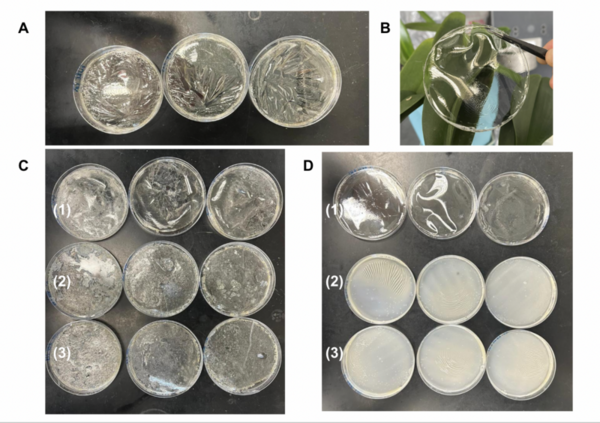
Here, in an effort to identify alternatives to oil-based plastic, the authors sought to investigate the effects of plasticizers on the mechanical properties and chemical composition of gelatin bioplastic matrices. Through measurements of their tensile strength and elongation at break, along with FTIR spectroscopy, they identified 3% w/v polyethylene glycol film as having the best performance in their study..

Read More...

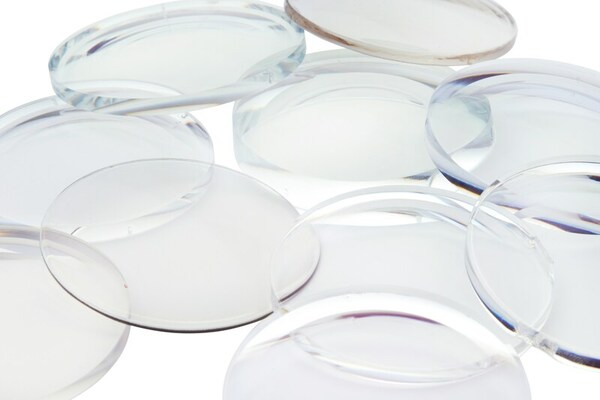
The optical possibilities of gelatin

Parikh et al. | Mar 28, 2024

The optical possibilities of gelatin
Image credit: Lensabl

Here the authors investigated the optical possibilities of gelatin and acrylic in regards to potential implementations at soft contact lenses. They fabricated lenses of different shapes and evaluated the refraction of laser light finding that gelatin needed to be thickened or increased in curvature to account for its lower refractive index compared to plastics, or used in a mixture to strengthen the lens.

Read More...

Lettuce seed germination in the presence of microplastic contamination

Kochar et al. | Dec 09, 2024

Lettuce seed germination in the presence of microplastic contamination

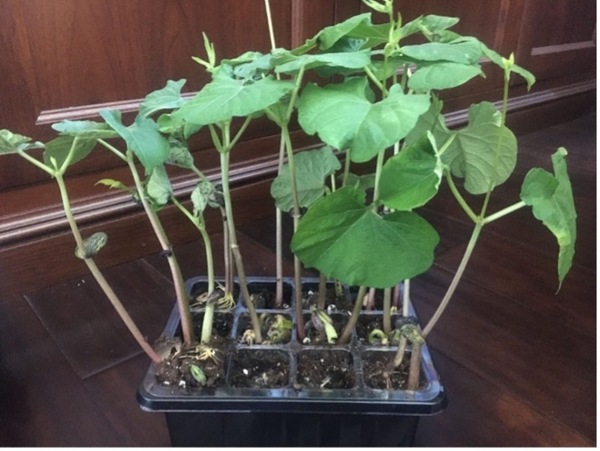
Microplastic pollution is a pressing environmental issue, particularly in the context of its potential impacts on ecosystems and human health. In this study, we explored the ability of plants, specifically those cultivated for human consumption, to absorb microplastics from their growing medium. We found no evidence of microplastic absorption in both intact and mechanically damaged roots. This outcome suggests that microplastics larger than 10 μm may not be readily absorbed by the root systems of leafy crops such as lettuce (L. sativa).

Read More...