Browse Articles

Varying Growth Hormone Levels in Chondrocytes Increases Proliferation Rate and Collagen Production by a Direct Pathway

Bennett et al. | Sep 03, 2019

Varying Growth Hormone Levels in Chondrocytes Increases Proliferation Rate and Collagen Production by a Direct Pathway

Bennett and Joykutty test whether growth hormone directly or indirectly affected the rate at which cartilage renewed itself. Growth hormone could exert a direct effect on cartilage or chondrocytes by modifying the expression of different genes, whereas an indirect effect would come from growth hormone stimulating insulin-like growth factor. The results from this research support the hypothesis that growth hormone increases proliferation rate using the direct pathway. This research can be used in the medical sciences for people who suffer from joint damage and other cartilage-related diseases, since the results demonstrated conditions that lead to increased proliferation of chondrocytes. These combined results could be applied in a clinical setting with the goal of allowing patient cartilage to renew itself at a faster pace, therefore keeping those patients out of pain from these chondrocyte-related diseases.

Read More...

DyGS: A Dynamic Gene Searching Algorithm for Cancer Detection

Wang et al. | Jun 05, 2018

DyGS: A Dynamic Gene Searching Algorithm for Cancer Detection

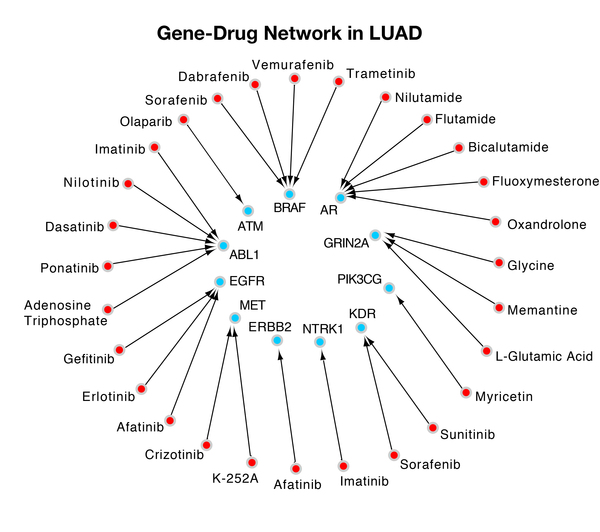
Wang and Gong developed a novel dynamic gene-searching algorithm called Dynamic Gene Search (DyGS) to create a gene panel for each of the 12 cancers with the highest annual incidence and death rate. The 12 gene panels the DyGS algorithm selected used only 3.5% of the original gene mutation pool, while covering every patient sample. About 40% of each gene panel is druggable, which indicates that the DyGS-generated gene panels can be used for early cancer detection as well as therapeutic targets in treatment methods.

Read More...

Who is at Risk for a Spinal Fracture? – A Comparative Study of National Health and Nutrition Examination Survey Data

He et al. | Mar 01, 2018

Who is at Risk for a Spinal Fracture? – A Comparative Study of National Health and Nutrition Examination Survey Data

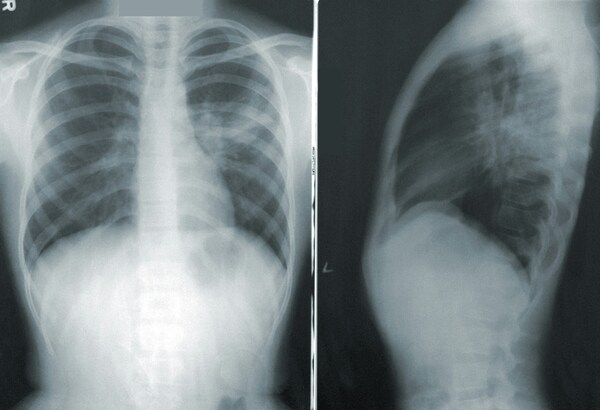
One common age-related health problem is the loss of bone mineral density (BMD), which can lead to a variety of negative health outcomes, including increased risk of spinal fracture. In this study, the authors investigate risk factors that may be predictive of an individual's risk of spinal fracture. Their findings provide valuable information that clinicians can use in patient evaluations.

Read More...

The Effects of Antibiotics on Nutrient Digestion

Murea et al. | Oct 06, 2017

The Effects of Antibiotics on Nutrient Digestion

One disadvantage of antibiotic therapy is the potential for unpleasant gastrointestinal side effects. Here, the authors test whether some common antibiotics directly interfere with the digestion of protein, fat, or sugars. This study provides motivation to more carefully investigate the interactions between antibiotics and gut enzymes in order to inform treatment decisions and improve patient outcomes.

Read More...

Down-regulation of CD44 inhibits Wnt/β-catenin mediated cancer cell migration and invasion in gastric cancer

Baek et al. | May 10, 2021

Down-regulation of CD44 inhibits Wnt/β-catenin mediated cancer cell migration and invasion  in gastric cancer

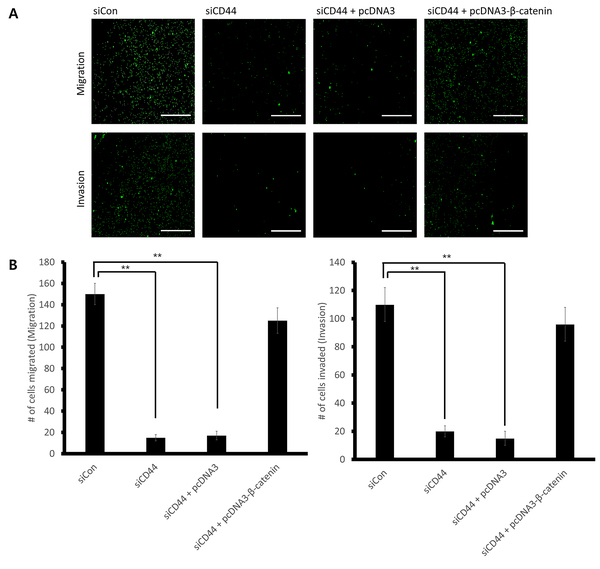
In this study, we aimed to characterize CD44-mediated regulation of the Wnt/β-catenin signaling pathway, which promotes cancer invasion and metastasis. We hypothesized that CD44 down-regulation will inhibit gastric cancer cell migration and invasion by leading to down-regulation of Wnt/β-catenin signaling. We found that CD44 up-regulation was significantly related to poor prognosis in gastric cancer patients. We demonstrated the CD44 down-regulation decreased β-catenin protein expression level. Our results suggest that CD44 down-regulation inhibits cell migration and invasion by down-regulating β-catenin expression level.

Read More...