Browse Articles

The Impact of Age on Post-Concussive Symptoms: A Comparative Study of Symptoms Related and Not Related to the Default Mode Network

Wurscher et al. | Mar 05, 2017

The Impact of Age on Post-Concussive Symptoms: A Comparative Study of Symptoms Related and Not Related to the Default Mode Network

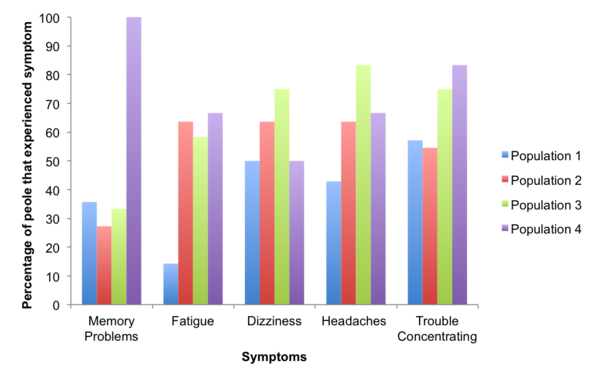
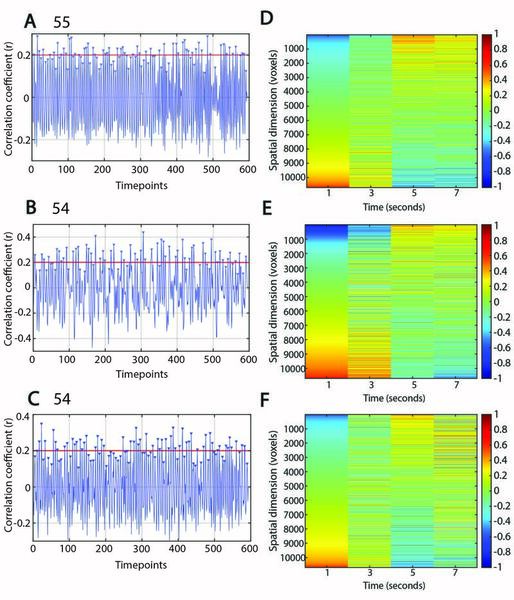
The Default Mode Network (DMN) is a network of connected brain regions that are active when the brain is not focused on external tasks. Minor brain injuries, such as concussions, can affect this network and manifest symptoms. In this study, the authors examined correlations between DMN age and post-concussion symptoms in previously concussed individuals and healthy controls.

Read More...

The Effect of Caffeine on the Regeneration of Brown Planaria (Dugesia tigrina)

Lazorik et al. | May 10, 2019

The Effect of Caffeine on the Regeneration of Brown Planaria (<em>Dugesia tigrina</em>)

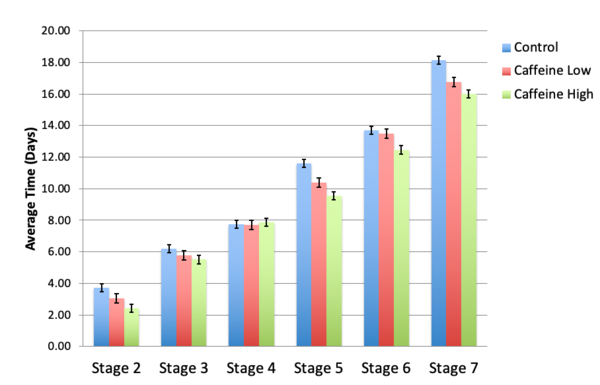
The degeneration of nerve cells in the brain can lead to pathologies such as Parkinson’s disease. It has been suggested that neurons in humans may regenerate. In this study, the effect of different doses of caffeine on regeneration was explored in the planeria model. Caffeine has been shown to enhance dopamine production, and dopamine is found in high concentrations in regenerating planeria tissues. Higher doses of caffeine accelerated planeria regeneration following decapitation, indicating a potential role for caffeine as a treatment to stimulate regeneration.

Read More...

The effect of Omega-3 on bovine blood cells as a potential remedy for Cerebral Cavernous Malformations

Pulluru et al. | Sep 22, 2023

The effect of Omega-3 on bovine blood cells as a potential remedy for Cerebral Cavernous Malformations
Image credit: Carolien van Oijen

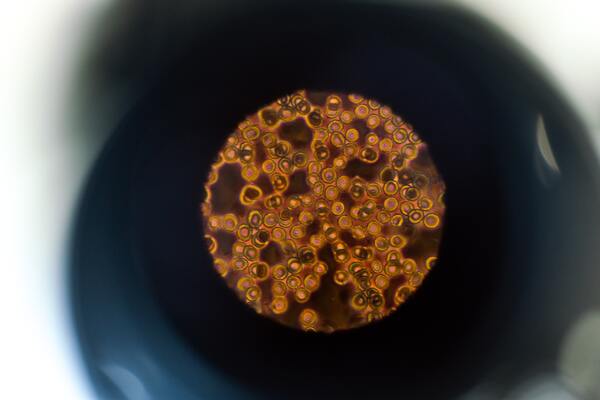
Here, the authors investigated if dietary Omega-3 fatty acids could reduce the potential for cerebral cavernous malformations, which are brain lesions that occur due to a genetic mutation where high membrane permeability occurs between endothelial cell junctions. In a bovine-based study where some cows were fed an Omega-3 diet, the authors found the membranes of bovine blood cells increased in thickness with Omega-3 supplementation. As a result, they suggest that dietary Omega-3 could be considered as a possible preventative measure for cerebral cavernous malformations.

Read More...

Assessing the Efficacy of NOX Enzyme Inhibitors as Potential Treatments for Ischemic Stroke in silico

Vinay et al. | Sep 18, 2020

Assessing the Efficacy of NOX Enzyme Inhibitors as Potential Treatments for Ischemic Stroke <i>in silico</i>

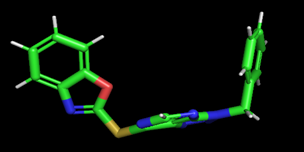
Ischemic stroke occurs when blood flow to the brain is interrupted, causing brain damage. This study investigated the effectiveness of different NOX inhibitors as treatments for ischemic stroke in silico. The results help corroborate previous in vivo and in vitro studies in an in silico format, and can be used towards developing drugs to treat ischemic stroke.

Read More...

Association of agenesis of the corpus callosum with epilepsy and anticonvulsant drug treatment

Steger et al. | Feb 21, 2023

Association of agenesis of the corpus callosum with epilepsy and anticonvulsant drug treatment
Image credit: Robina Weermeijer on Unsplash

Agenesis of the Corpus Callosum (ACC) is a birth defect where an infant’s corpus callosum, the structure linking the brain’s two hemispheres to allow interhemispheric communication, fails to develop in a typical manner during pregnancy. Existing research on the connection between ACC and epilepsy leaves significant gaps, due to the lack of focused investigation. One important gap is the degree to which ACC may impact the course of epilepsy treatment and outcomes. The present study was conducted to test the hypotheses that epilepsy is highly prevalent among individuals with ACC, and that those with both ACC and epilepsy have a lower response rate to anticonvulsant drugs than other patients treated with anticonvulsant drugs. A weighted average of epilepsy rates was calculated from a review of existing literature, which supported the hypothesis that epilepsy was more common among individuals with ACC (25.11%) than in the general population (1.2%). An empirical survey administered to 57 subjects or parents of subjects showed that rate of intractable epilepsy among study subjects with both ACC and epilepsy was substantially higher than the rate found in the general population, indicating that individuals with both conditions had a lower response rate to the anticonvulsant drugs. This study contributes novel results regarding the potential for concurrence of ACC and epilepsy to interfere with anticonvulsant drug treatment. We also discuss implications for how medical professionals may use the findings of this study to add depth to their treatment decisions.

Read More...

Prediction of preclinical Aβ deposit in Alzheimer’s disease mice using EEG and machine learning

Igarashi et al. | Nov 29, 2022

Prediction of preclinical Aβ deposit in Alzheimer’s disease mice using EEG and machine learning

Alzheimer’s disease (AD) is a common disease affecting 6 million people in the U.S., but no cure exists. To create therapy for AD, it is critical to detect amyloid-β protein in the brain at the early stage of AD because the accumulation of amyloid-β over 20 years is believed to cause memory impairment. However, it is difficult to examine amyloid-β in patients’ brains. In this study, we hypothesized that we could accurately predict the presence of amyloid-β using EEG data and machine learning.

Read More...

A novel approach for early detection of Alzheimer’s disease using deep neural networks with magnetic resonance imaging

Ganesh et al. | Mar 20, 2022

A novel approach for early detection of Alzheimer’s disease using deep neural networks with magnetic resonance imaging

In the battle against Alzheimer's disease, early detection is critical to mitigating symptoms in patients. Here, the authors use a collection of MRI scans, layering with deep learning computer modeling, to investigate early stages of AD which can be hard to catch by human eye. Their model is successful, able to outperform previous models, and detected regions of interest in the brain for further consideration.

Read More...