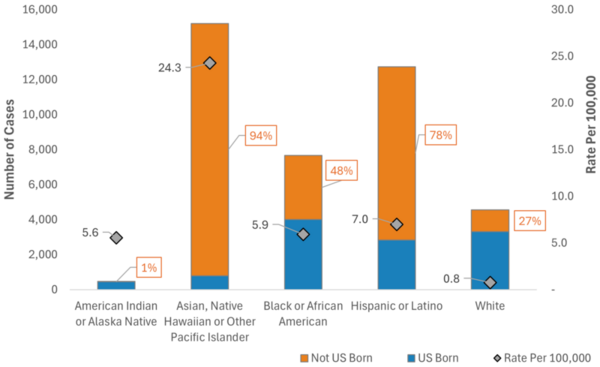
The main goal of this study is to determine what demographics are related to tuberculosis incidence in the United States populations, particularly if changing demographics are related to differences in tuberculosis risk over two discrete time periods. The major finding is that in the two studied time periods, tuberculosis risk factors were somewhat consistent and may be influenced by things such as immigration, healthcare access, and race or ethnicity, although the top predictor did change.
A trial study was performed in 2021 to investigate the link between technology and transactive memory. Transactive memory is shared knowledge in which members share the responsibility to encode, store, and retrieve certain tasks or assignments, leading to a successful and collective performance. We hypothesize that a participants’ expected access to an external source affects the recall rate and retrieval of information.
Many cases of viral hepatitis are easily preventable if caught early; however, a lack of public awareness regarding often leads to diagnoses near the final stages of disease when it is most lethal. Thus, we wanted to understand to what extent an individual's sex, age, education and country of residence (India or Singapore) impacts disease identification. We sent out a survey and quiz to residents in India (n = 239) and Singapore (n = 130) with questions that test their knowledge and awareness of the disease. We hypothesized that older and more educated individuals would score higher because they are more experienced, but that the Indian population will not be as knowledgeable as the Singaporean population because they do not have as many resources, such as socioeconomic access to schools and accessibility to healthcare, available to them. Additionally, we predicted that there would not be any notable differences between make and females. The results revealed that the accuracy for all groups we looked at was primarily below 50%, demonstrating a severe knowledge gap. Therefore, we concluded that if more medical professionals discussed viral hepatitis during hospital visits and in schools, patients can avoid the end stages of the disease in notable cases.
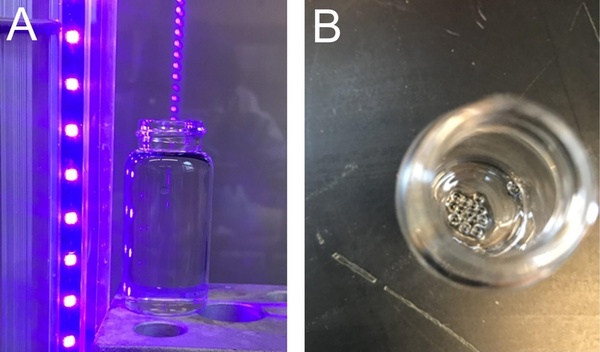
Superabsorbent beads are remarkable, used throughout our daily lives for various practical applications. These beads, as suggested by their name, possess a unique ability to absorb and retain large quantities of liquids. This characteristic of absorbency makes them essential throughout the medical field, agriculture, and other critical industries as well as in everyday products. To create these beads, the process of photopolymerization is fast growing in favor with distinct advantages of cost efficiency, speed, energy efficiency, and mindfulness towards the environment. In this article, researchers explore the pairing of cheap monomers with accessible equipment for creation of superabsorbent beads via the photopolymerization process. This research substantially demonstrates the successful application of photopolymerization in producing highly absorbent beads in a low-cost context, thereby expanding the accessibility of this process for creating superabsorbent beads in both research and practical applications.
There have been several issues concerning the water quality in Ulaanbaatar, Mongolia in the past few years. This study, we collected 28 samples from 6 districts of Ulaanbaatar to check if the water supply quality met the standards of the World Health Organization, the Environmental Protection Agency, and a Mongolian National Standard. Only three samples fully met all the requirements of the global standards. Samples in Zaisan showed higher hardness (>120 ppm) and alkalinity levels (20–200 ppm) over the other districts in the city. Overall, the results show that it is important to ensure a safe and accessible water supply in Ulaanbaatar to prevent future water quality issues.
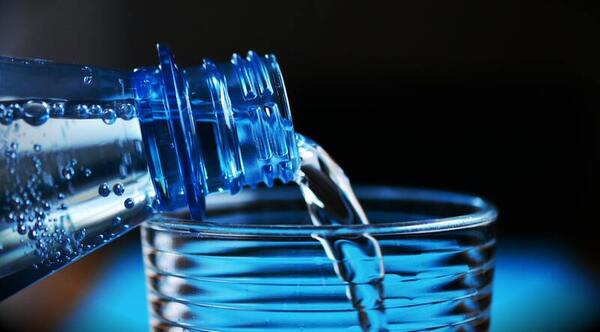
For public health, drinking water should be free of bacterial contamination. The objective of this research is to identify the fate of bacteria if drinking water becomes contaminated and inform consumers on which water type enables the least bacteria to survive. We hypothesized that bottled mineral water would provide the most sufficient conditions for E. coli to survive. We found that if water becomes contaminated, the conditions offered by the three water types at room temperature allow E. coli to survive up to three days. At 72 hours, the bottled spring water had the highest average colony forming units (CFUs), with tap and mineral water CFU values statistically lower than spring water but not significantly different from each other. The findings of this research highlight the need of implementing accessible quality drinking water for the underserved population and for the regulation of water sources.
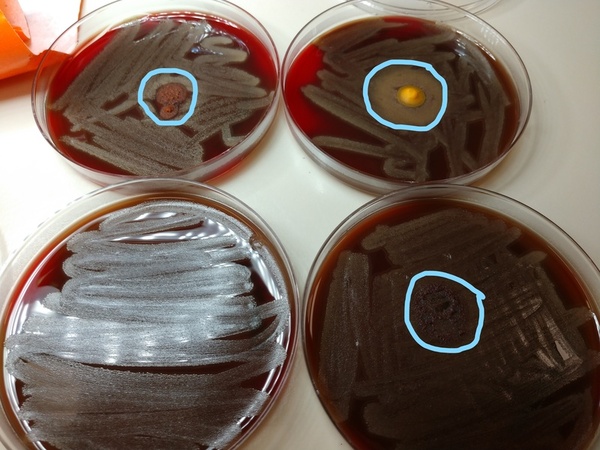
The authors experimented with several commonly available alkaline spices (turmeric, cayenne pepper, and cinnamon) to study their antimicrobial properties, hypothesizing that alkaline spices would have antimicrobial activity. Results showed a zone of inhibition of bacterial growth, with the largest zone of inhibition being around turmeric, followed by cayenne pepper, and the smallest around cinnamon. These results are impactful, as common alkaline spices generally do show antibacterial properties and both bacteriostatic and bactericidal effects correlated with degree of alkalinity.
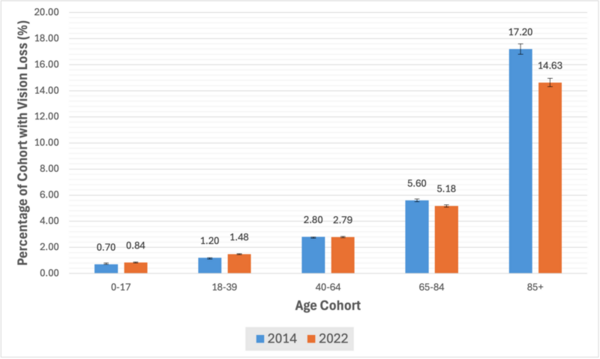
This study examined how social determinants of health (SDH) relate to vision loss by analyzing publicly available data from 18 northern and southern U.S. states and using Bayesian correlation analysis.
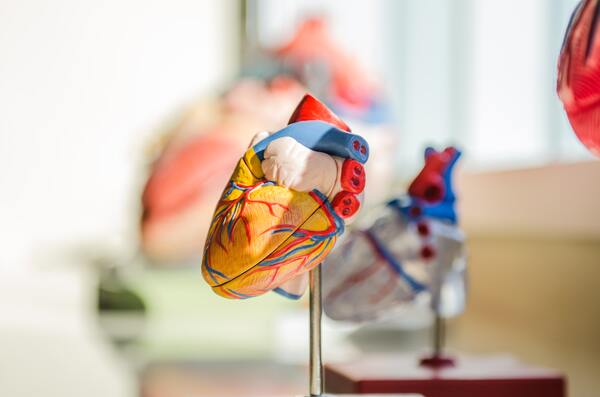
In this study, the authors created a survey to assess misconceptions and knowledge deficits regarding cardiovascular diseases exist among US adults and minors.
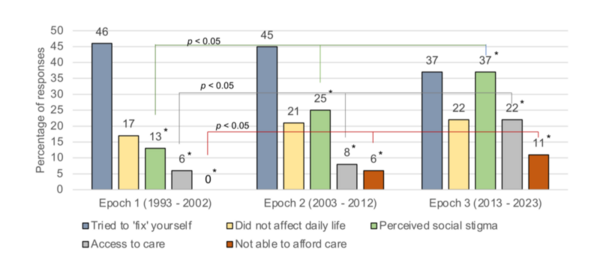
Obsessive-compulsive disorder (OCD) can cause significant impairment, and studies indicate that delays in diagnosis and treatment lead to worse outcomes. This study aimed to assess whether these delays have improved over the past three decades and to identify their causes.