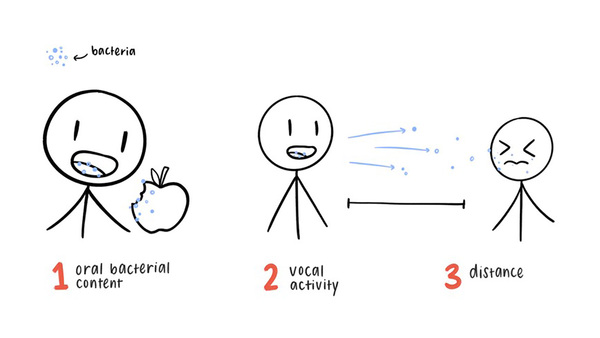
E-cigarettes are often considered a healthier alternative to traditional cigarettes. This team of high school authors investigated the impact of common e-cigarette compounds on C. elegans, and found a number of harmful effects ultimately resulting in injury and neuronal damage.
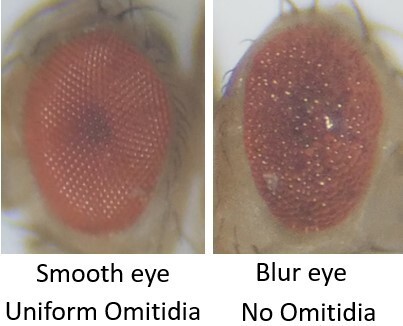
Sesame (Sesamum indicum) and moringa (Moringa oleifera) have natural antioxidants that could prevent cancer growth. Previously, this group found that sesame and moringa individually suppress eye tumor grown in the Drosophila melanogaster model. In the present study, combinations of sesame and moringa at different concentrations were included in the D. melanogaster diet. The impact on eye tumor development was assessed at different stages of growth.
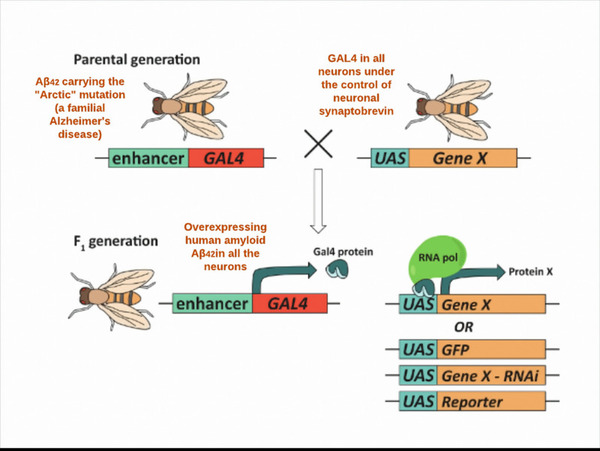
In this article the authors address the complex and life quality-diminishing neurodegenerative disease known as Parkinson's. Although genetic and/or environmental factors contribute to the etiology of the disease, the diagnostic symptoms are the same. By genetically modifying fruit flies to exhibit symptoms of Parkinson's disease, they investigate whether drugs that inhibit mitochondrial calcium uptake or activate the lysosomal degradation of proteins could improve the symptoms of Parkinson's these flies exhibit. The authors report the most promising outcome to be that when both types of drugs were used together. Their data provides encouraging evidence to support further investigation of the utility of such drugs in the treatment of human Parkinson's patients.
Global reliance on extractive energy sources has many downsides, among which are inconsistent supply and consequent price volatility that distress companies and consumers. It is unclear if renewable energy offers stable and affordable solutions to extractive energy sources. The cost of solar energy generation has decreased sharply in recent years, prompting a surge of installations with a range of financing options. Even so, most existing options require upfront payment, making installation inaccessible for towns with limited financial resources. The primary objective of our research is to examine the use of green bonds to finance solar energy systems, as they eliminate the need for upfront capital and enable repayment through revenue generated over time. We hypothesized that if we modeled the usage of green bonds to finance the installation of a solar energy system in New Jersey, then the revenue generated over the system’s lifetime would be enough to repay the bond. After modeling the financial performance of a proposed solar energy-producing carport in Madison, New Jersey, financed with green bonds, we found that revenue from solar energy systems successfully covered the annual green bond payments and enabled the installers to obtain over 50% of the income for themselves. Our research demonstrated green bonds as a promising option for New Jersey towns with limited financial resources seeking to install solar energy systems, thereby breaking down a financial barrier.
The authors trained a machine learning model to detect kidney stones based on characteristics of urine. This method would allow for detection of kidney stones prior to the onset of noticeable symptoms by the patient.
This study hypothesized that a machine learning model could accurately predict the severity of California wildfires and determine the most influential meteorological factors. It utilized a custom dataset with information from the World Weather Online API and a Kaggle dataset of wildfires in California from 2013-2020. The developed algorithms classified fires into seven categories with promising accuracy (around 55 percent). They found that higher temperatures, lower humidity, lower dew point, higher wind gusts, and higher wind speeds are the most significant contributors to the spread of a wildfire. This tool could vastly improve the efficiency and preparedness of firefighters as they deal with wildfires.
This study uses a fruit fly model of type 1 diabetes (T1D) to determine whether strengthening intestinal tight junctions to reduce intestinal permeability would improve T1D symptoms.
In this study, the authors developed a model named DNA Sequence Embedding Network (DNA-SEnet) to classify DNA-asthma associations using their genomic patterns.