Browse Articles

An Analysis of Soil Microhabitats in Revolutionary War, Civil War, and Modern Graveyards on Long Island, NY

Caputo et al. | May 05, 2019

An Analysis of Soil Microhabitats in Revolutionary War, Civil War, and Modern Graveyards on Long Island, NY

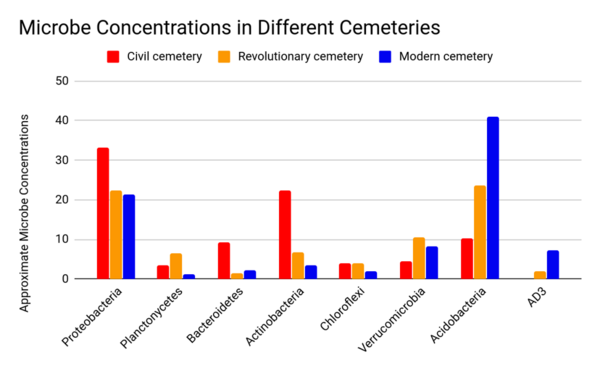
Previously established data indicate that cemeteries have contributed to groundwater and soil pollution, as embalming fluids can impact the microbiomes that exist in decomposing remains. In this study, Caputo et al hypothesized that microbial variation would be high between cemeteries from different eras due to dissimilarities between embalming techniques employed, and furthermore, that specific microbes would act as an indication for certain contaminants. Overall, they found that there is a variation in the microbiomes of the different eras’ cemeteries according to the concentrations of the phyla and their more specific taxa.

Read More...
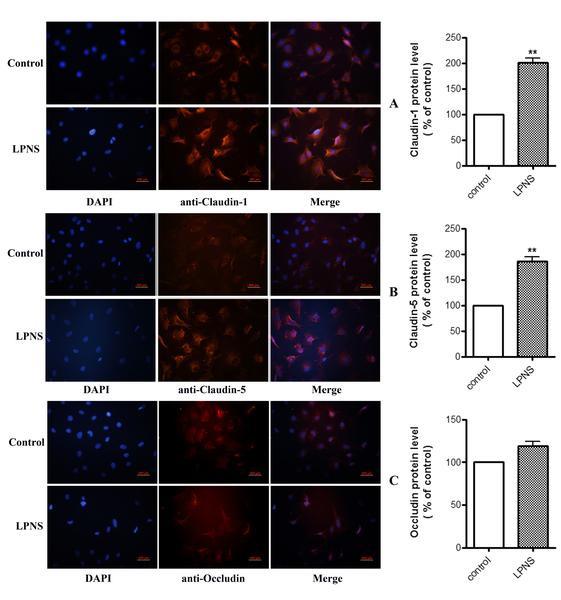
The Protective Effects of Panax notoginseng Saponin on the Blood-Brain Barrier via the Nrf2/ARE Pathway in bEnd3 Cells

Yang et al. | Apr 06, 2016

The Protective Effects of <i>Panax notoginseng</i> Saponin on the Blood-Brain Barrier via the Nrf2/ARE Pathway in bEnd3 Cells

Disruption of the blood-brain barrier (BBB) is related to many neurological disorders, and can be caused by oxidative stress to cerebral microvascular endothelial cells (CMECs) composing the BBB. The authors of the paper investigated the protective effects of the total saponins in the leaves of Panax notoginseng (LPNS) on oxidative-stress-induced damage in a mouse cerebral microvascular endothelial cell line.

Read More...

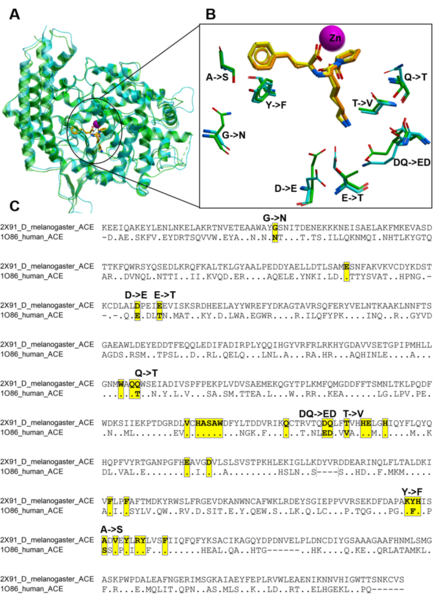
Drosophila proteins as human surrogates for early drug discovery: Findings from detailed structural analysis

Shankar et al. | Oct 11, 2026

<i>Drosophila</i> proteins as human surrogates for early drug discovery: Findings from detailed structural analysis

This study examines the possibility of utilizing proteins from Drosophila melanogaster in early drug discovery. Structural and sequence analysis of five diverse Drosophila proteins and its human homologs were conducted. Drosophila proteins with high conservation of amino acids at functionally significant positions are better candidates for use as human surrogate in drug discovery efforts.

Read More...

Retinal biomarkers for the detection of neurological disease using deep learning

Kim et al. | Sep 04, 2026

Retinal biomarkers for the detection of neurological disease using deep learning

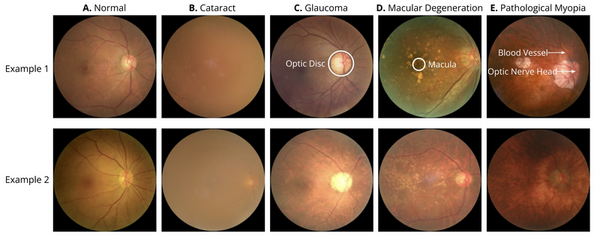
The authors looked at whether retinal features, specifically lens clarity, optic nerve cupping, and hyperreflective foci, can serve as biomarkers for neuro-ophthalmological diseases, which share pathological mechanisms with neurodegeneration and may indicate broader neurological risk. Using multimodal clinical data and machine learning, they investigated the potential of retinal imaging as a complementary diagnostic tool for more accurate and accessible detection of neurological disorders.

Read More...

A 3D printed triboelectric nanogenerator for bridge vibration energy harvesting and sensing

Walavalkar et al. | Jul 19, 2026

A 3D printed triboelectric nanogenerator for bridge vibration energy harvesting and sensing
Image credit: Jakub Żerdzicki

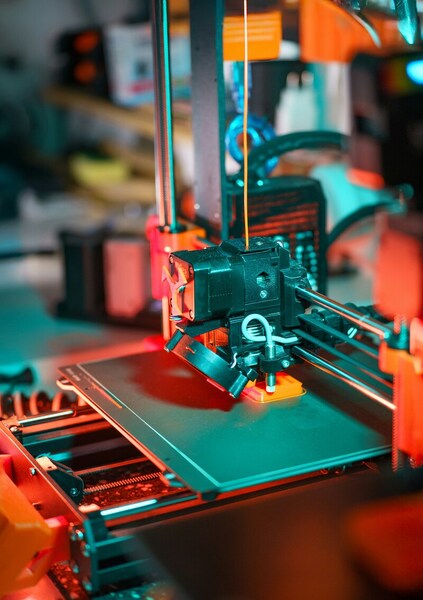
This study strongly illustrates that optimizing 3D printing parameters would enhance a triboelectric nanogenerator's performance. The design improvements substantiate the potential of optimized, 3D-printed TENGs for developing scalable, cost-effective solutions for powering low-energy electronics, particularly in applications such as structural health monitoring.

Read More...

OTGP: An innovative biometric authentication system with on-the-go passwords using a novel typing signature

Shirodkar et al. | Jun 08, 2026

OTGP: An innovative biometric authentication system with on-the-go passwords using a novel typing signature
Image credit: Shirodkar and Balasubramanian

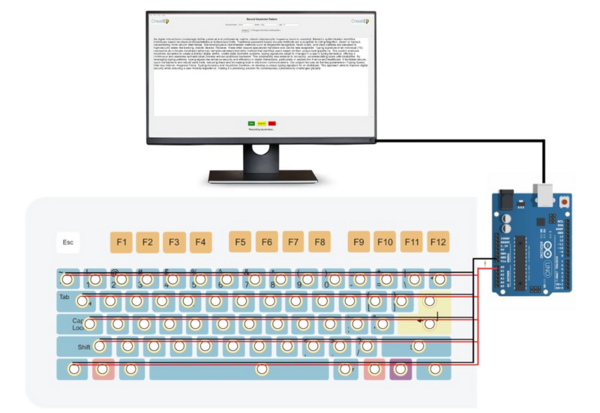
This manuscript describes a new method of on-the-go passwords using typing characteristics. The authors developed a keyboard and keystroke recording setup and tested it with 30 participants. The results indicated the five chosen parameters are distinct across participants yet consistent across time for each participant, making it a plausible candidate for a behavior-based password system.

Read More...