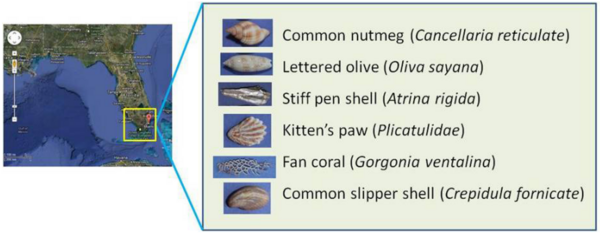
Rising atmospheric carbon dioxide levels are projected to lead to a 0.3- 0.4 unit decrease in ocean surface pH levels over the next century. In this study, the authors investigate the effect of pH change on the mass of calcified exoskeletons of common aquatic organisms found in South Florida coastal waters.
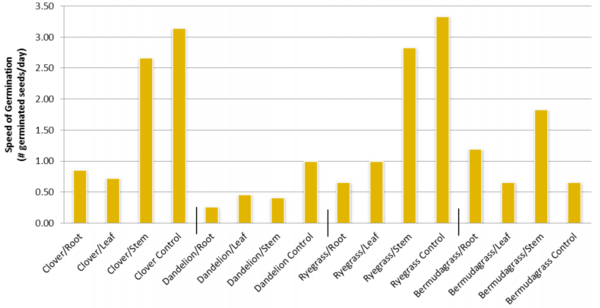
Plants in the wild compete with each other for nutrients and sunlight. Kudzu is a weed that is thought to secrete compounds that inhibit the growth of other plants. Here the authors find that certain parts of kudzu plants can block the germination of clover and dandelion seeds. These experiments may lead to a weed killer that is safe and naturally derived.
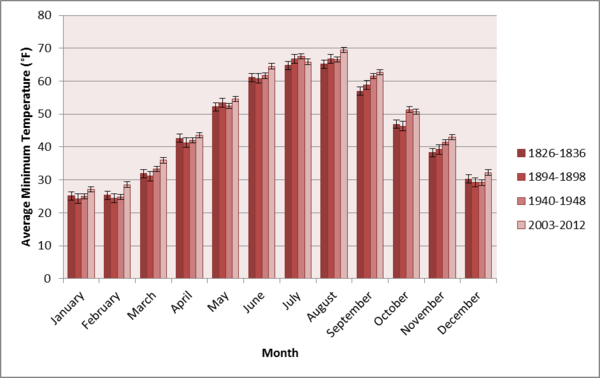
Climate change is an important and contentious issue that has far-reaching implications for our future. The authors here compare primary temperature and precipitation data from almost 200 years ago against the present day. They find that the average annual temperature in Brooklyn, NY has risen significantly over this time, as has the frequency of precipitation, though not the amount of precipitation. These data stress the need for more ecologically-conscious choices in our daily lives.
Polylactic acid (PLA) is a bio-based, compostable plastic that is comparable in cost to petroleum-based plastics. This study aims to evaluate the effects of UV treatment and mechanical chopping on the degradation of PLA. Based on their findings, the authors propose an alternative PLA degradation process that may be more time and energy efficient than current processes.
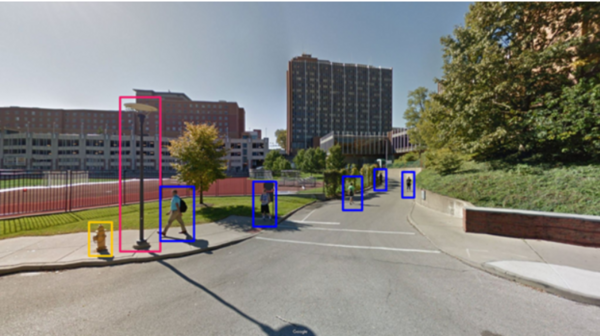
Every year, around 40% of undergraduate students in the United States discontinue their studies, resulting in a loss of valuable education for students and a loss of money for colleges. Even so, colleges across the nation struggle to discover the underlying causes of these high dropout rates. In this paper, the authors discuss the use of machine learning to find correlations between the built environment factors and the retention rates of colleges. They hypothesized that one way for colleges to improve their retention rates could be to improve the physical characteristics of their campus to be more pleasing. The authors used image classification techniques to look at images of colleges and correlate certain features like colors, cars, and people to higher or lower retention rates. With three possible options of high, medium, and low retention rates, the probability that their models reached the right conclusion if they simply chose randomly was 33%. After finding that this 33%, or 0.33 mark, always fell outside of the 99% confidence intervals built around their models’ accuracies, the authors concluded that their machine learning techniques can be used to find correlations between certain environmental factors and retention rates.
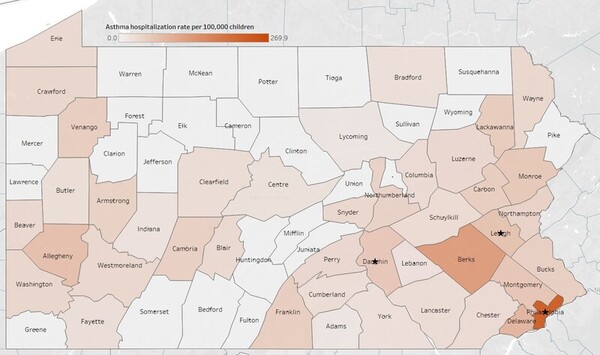
Asthma is one of the most prevalent chronic conditions in the United States. But not all people experience asthma equally, with factors like healthcare access and environmental pollution impacting whether children are likely to be hospitalized for asthma's effects. Li, Li, and Ruffolo investigate what demographic and environmental factors are predictive of childhood asthma hospitalization rates across Pennsylvania.
Semiconductors are the center of the fourth industrial revolution as they are key components for all electronics. Exposed wafers made of silicon (Si), which can easily oxidize, convert to silicon dioxide (SiO2). The surface of SiO2 wafers consists of many Si-OH bonds, allowing them to easily bond with water, resulting in a “wet” or hydrophilic condition. We sought to determine a way to modify the surface of SiO2 wafers to become hydrophobic to ensure safe wet cleaning.
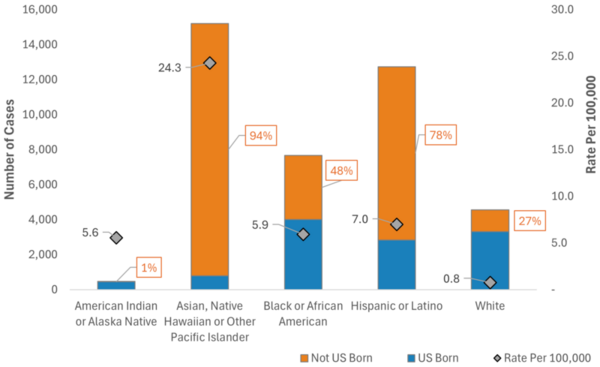
The main goal of this study is to determine what demographics are related to tuberculosis incidence in the United States populations, particularly if changing demographics are related to differences in tuberculosis risk over two discrete time periods. The major finding is that in the two studied time periods, tuberculosis risk factors were somewhat consistent and may be influenced by things such as immigration, healthcare access, and race or ethnicity, although the top predictor did change.
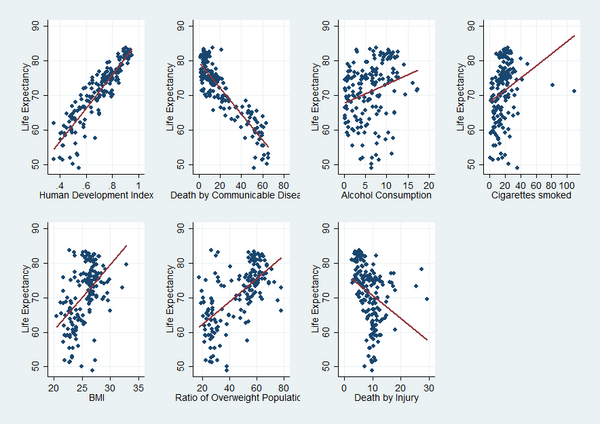
In this article, the authors look into what is already known about the factor affecting longevity and determine the importance of behavioral factors including alcohol consumption, smoking, and obesity on longevity. The authors quantify data from over 150 countries and, interestingly, find that the impact each factor has on longevity is at least in part dependent on the country's economic development status. Overall, they conclude that an average person’s life expectancy can increase by more than 3 years if smoking and alcohol consumption is reduced by a half and weight is decreased by 10%.