Browse Articles

Sepia bandensis ink inhibits polymerase chain reactions

Novoselov et al. | Sep 21, 2020

<em>Sepia bandensis</em> ink inhibits polymerase chain reactions

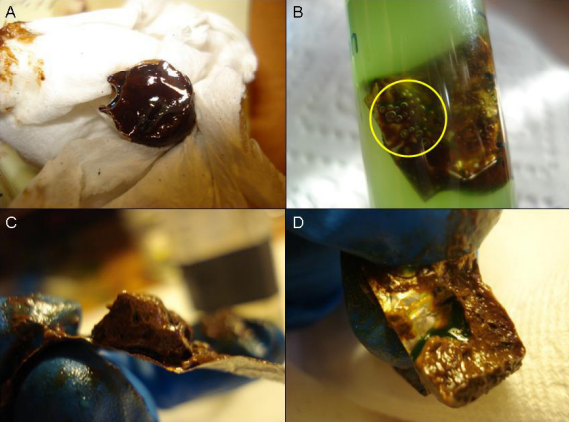
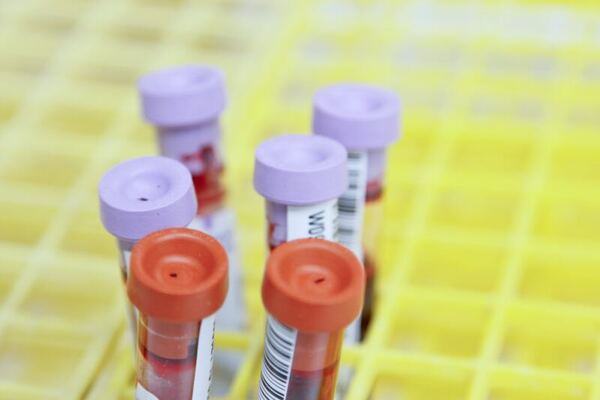
While cephalopods play significant roles in both ecosystems and medical research, there is currently no assembled genome. In an attempt to sequence the Sepia bandensis genome, it was found that there was inhibition from the organism during DNA extraction, resulting in PCR failure. In this study, researchers tested the hypothesis that S. bandensis ink inhibits PCR. They then assessed the impact of ink on multiple methods of DNA extraction

Read More...

Repulsion of Ants Using Non-Toxic Household Products

Ambati et al. | Sep 10, 2019

Repulsion of Ants Using Non-Toxic Household Products

Ant invasion causes damage exceeding $5 billion annually in North America. In this study, Ambati and Duvvuri aim to identify natural products with ant-repelling properties using a custom ring apparatus designed to quantify ant-repellence. They report that cinnamon and lemon were the most effective ant repellents of the tested products. These data suggest that compounds found in non-toxic household products, such as cinnamon oil and lemon juice, could be used in low-dose combinations as potent, effective, eco-friendly, and safe ant repellents.

Read More...

The effect of wild orange essential oil on ascorbic acid decay in freshly squeezed orange juice

Sebek et al. | Feb 25, 2022

The effect of wild orange essential oil on ascorbic acid  decay in freshly squeezed orange juice

The goal of this project was to see if the addition of wild orange essential oil to freshly squeezed orange juice would help to slow down the decay of ascorbic acid when exposed to various temperatures, allowing vital nutrients to be maintained and providing a natural alternative to the chemical additives in use in industry today. The authors hypothesized that the addition of wild orange essential oil to freshly squeezed orange juice would slow down the rate of oxidation when exposed to various temperatures, reducing ascorbic acid decay. On average, wild orange EO slowed down ascorbic acid decay in freshly squeezed orange juice by 15% at the three highest temperatures tested.

Read More...