Browse Articles

Increasing Average Yearly Temperature in Two U.S. Cities Shows Evidence for Climate Change

Savage et al. | Sep 20, 2018

Increasing Average Yearly Temperature in Two U.S. Cities Shows Evidence for Climate Change

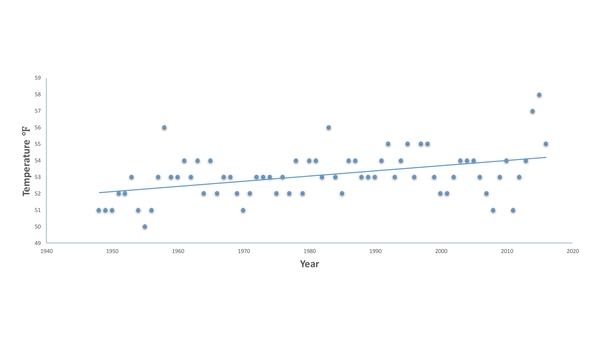
The authors were interested in whether they could observe the effects of climate change by analyzing historical temperature data of two U.S. cities. They predicted that they should observe a warming trend in both cities. Their results showed that despite yearly variations, warming trends can be observed both in Rochester, NY and Seattle, WA which fit the predictions of climate change forecasts.

Read More...
Differentiation of Waste Plastic Pyrolysis Fuels to Conventional Diesel Fuel

Jewison et al. | May 25, 2018

Differentiation of Waste Plastic Pyrolysis Fuels to Conventional Diesel Fuel

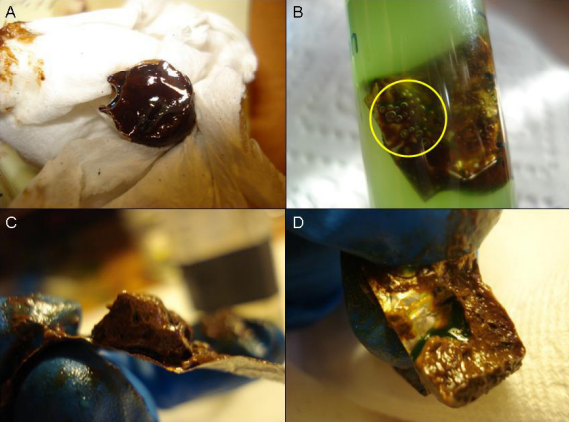
Plastic pollution and energy shortages are pressing issues in today’s world. The authors examined whether waste plastic pyrolysis fuels are similar to conventional diesel and, thus, a plausible alternative fuel. Results showed that waste plastic pyrolysis fuels did not match up to diesel overall, though several fuels came close in calorific value.

Read More...

Focusing Sound Waves Using a Two-Dimensional Non-Linear System

Wehr et al. | Jul 07, 2014

Focusing Sound Waves Using a Two-Dimensional Non-Linear System

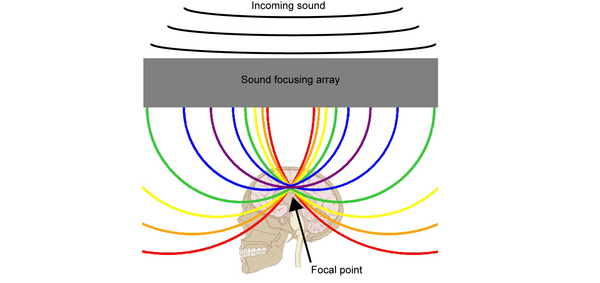
Sound waves can be amazingly powerful, especially when they work together. Here the authors create an “acoustic lens” that focuses sound waves on a single location. This makes the sound waves very powerful, capable of causing damage at a precise point. In the future, acoustic lenses like this could potentially be used to treat cancer by killing small tumors without surgery.

Read More...

The Development and Maximization of a Novel Photosynthetic Microbial Fuel Cell Using Rhodospirillum rubrum

Gomez et al. | Mar 02, 2014

The Development and Maximization of a Novel Photosynthetic Microbial Fuel Cell Using <em>Rhodospirillum rubrum</em>

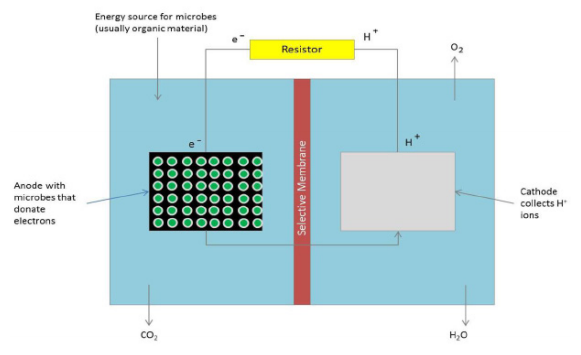
Microbial fuel cells (MFCs) are bio-electrochemical systems that utilize bacteria and are promising forms of alternative energy. Similar to chemical fuel cells, MFCs employ both an anode (accepts electrons) and a cathode (donates electrons), but in these devices the live bacteria donate the electrons necessary for current. In this study, the authors assess the functionality of a photosynthetic MFC that utilizes a purple non-sulfur bacterium. The MFC prototype they constructed was found to function over a range of environmental conditions, suggesting its potential use in industrial models.

Read More...

The Effects of Micro-Algae Characteristics on the Bioremediation Rate of Deepwater Horizon Crude Oil

Cao et al. | Jun 17, 2013

The Effects of Micro-Algae Characteristics on the Bioremediation Rate of Deepwater Horizon Crude Oil

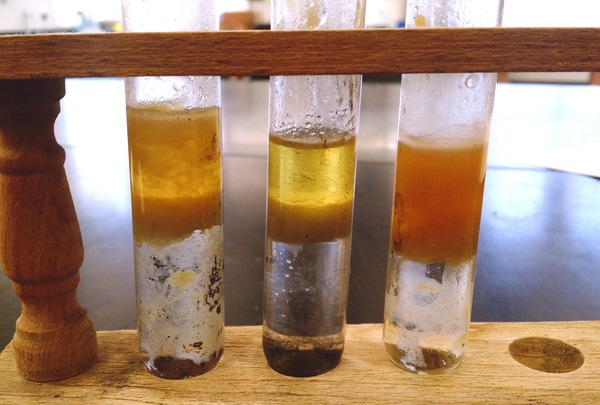
Environmental disasters such as the Deepwater Horizon oil spill can be devastating to ecosystems for long periods of time. Safer, cheaper, and more effective methods of oil clean-up are needed to clean up oil spills in the future. Here, the authors investigate the ability of natural ocean algae to process crude oil into less toxic chemicals. They identify Coccochloris elabens as a particularly promising algae for future bioremediation efforts.

Read More...

Understanding the correlation between various pollutants and cancer across geographical clusters in the U.S.

Naik et al. | Sep 12, 2026

Understanding the correlation between various pollutants and cancer across geographical clusters in the U.S.

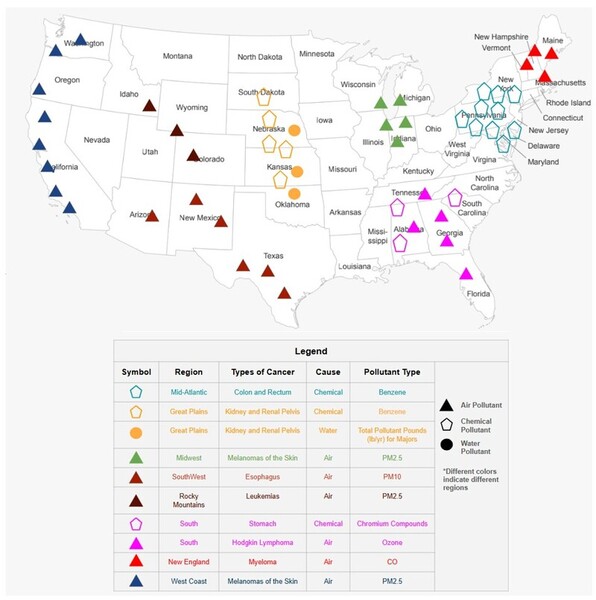
Here the authors investigate the relationship between environmental pollutants and cancer incidence rates across various geographical clusters in the United States from 2018 to 2020. By calculating Pearson correlation coefficients and t-statistics on CDC and EPA data, they demonstrated a strong correlation between specific pollutants and various cancers, offering insights that could help explain regional disparities in cancer rates and aid in preventing premature deaths.

Read More...