Here seeking to identify a method to remove harmful microplastics from water, the authors investigated the viability of using electrolysis to degrade microplastics in tap water. Compared to control samples, they found electrolysis treatment to significantly the number of net microplastics, suggesting that this treatment could potentially implemented into homes or drinking water treatment facilities.
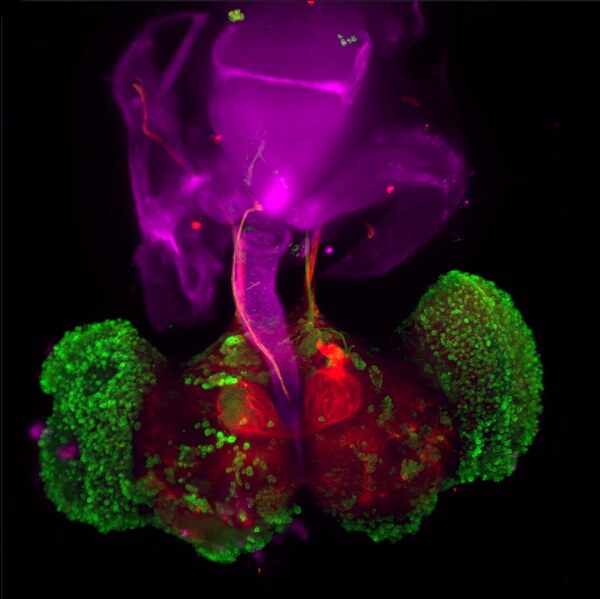
In this article the authors address the complex and life quality-diminishing neurodegenerative disease known as Parkinson's. Although genetic and/or environmental factors contribute to the etiology of the disease, the diagnostic symptoms are the same. By genetically modifying fruit flies to exhibit symptoms of Parkinson's disease, they investigate whether drugs that inhibit mitochondrial calcium uptake or activate the lysosomal degradation of proteins could improve the symptoms of Parkinson's these flies exhibit. The authors report the most promising outcome to be that when both types of drugs were used together. Their data provides encouraging evidence to support further investigation of the utility of such drugs in the treatment of human Parkinson's patients.
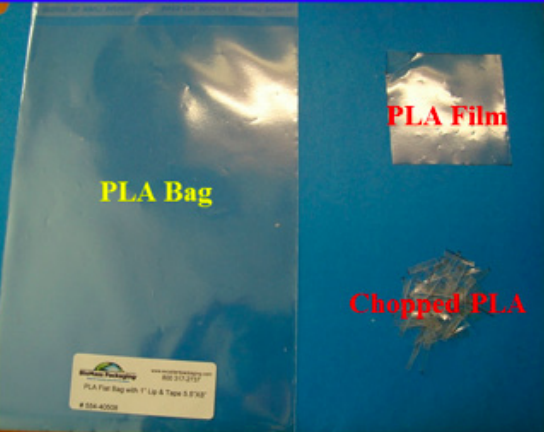
Polylactic acid (PLA) is a bio-based, compostable plastic that is comparable in cost to petroleum-based plastics. This study aims to evaluate the effects of UV treatment and mechanical chopping on the degradation of PLA. Based on their findings, the authors propose an alternative PLA degradation process that may be more time and energy efficient than current processes.
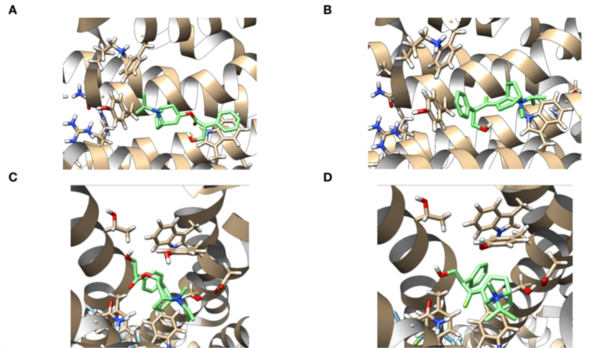
Anticholinergics are used in treating asthma, a chronic inflammation of the airways. These drugs block human M1 and M2 muscarinic acetylcholine receptors, inhibiting bronchoconstriction. However, studies have reported complications of anticholinergic usage, such as exacerbated eosinophil production and worsened urinary retention. Modification of known anticholinergics using bioisosteric replacements to increase efficacy could potentially minimize these complications. The present study focuses on identifying viable analogs of anticholinergics to improve binding energy to the receptors compared to current treatment options. Glycopyrrolate (G), ipratropium (IB), and tiotropium bromide (TB) were chosen as parent drugs of interest, due to the presence of common functional groups within the molecules, specifically esters and alcohols. Docking score analysis via AutoDock Vina was used to evaluate the binding energy between drug analogs and the muscarinic acetylcholine receptors. The final results suggest that G-A3, IB-A3, and TB-A1 are the most viable analogs, as binding energy was improved when compared to the parent drug. G-A4, IB-A4, IB-A5, TB-A3, and TB-A4 are also potential candidates, although there were slight regressions in binding energy to both muscarinic receptors for these analogs. By researching the effects of bioisosteric replacements of current anticholinergics, it is evident that there is a potential to provide asthmatics with more effective treatment options.
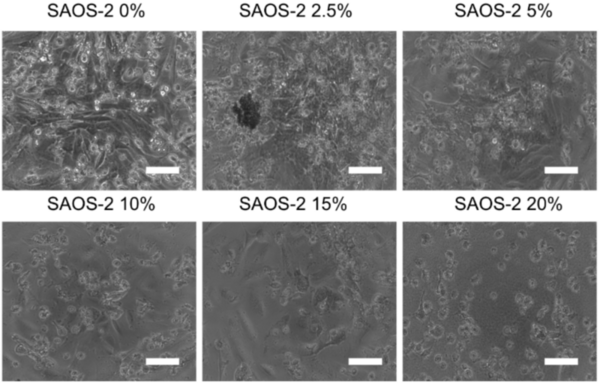
This study hypothesizes that nanoparticles derived from corn (cNPs)may have anti-proliferative effects on bone cancer and metastasized bone cancer. It finds that human osteosarcoma and human lung carcinoma metastasized to bone marrow cell viability decreased to 0% when treated with cNPs. Overall, these results indicate that cNPs have anti-proliferative effects on bone cancer cells and cancer cells that metastasize to the bone.
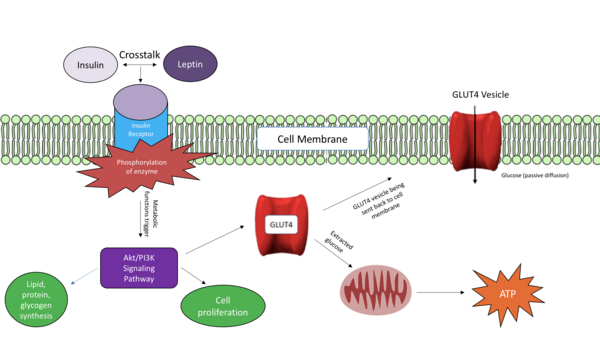
A primary cause of diabetes is insulin resistance, which is caused by disruption of insulin signal transduction. The objective of this study was to maximize insulin sensitivity by creating a more effective, early intervention-based treatment to avert severe T2D. This treatment combined metformin, “the insulin sensitizer”, and medicinal plants, curcumin, fenugreek, and nettle.
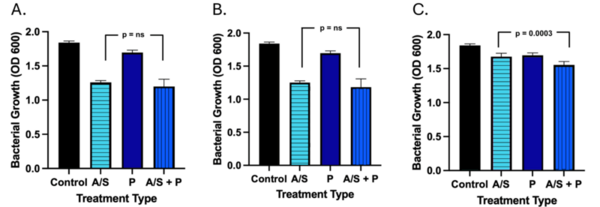
This article explores the potential of piperine, a bioenhancer from black pepper, to improve antibiotic efficacy against antibiotic-resistant Acinetobacter baumannii. By combining piperine with ampicillin-sulbactam, the study demonstrated a significant reduction in bacterial growth for most strains tested, showcasing the promise of bioenhancers in combating resistant pathogens. This research highlights the possibility of reducing the required antibiotic dosage, potentially offering a new strategy in the fight against drug-resistant bacteria.
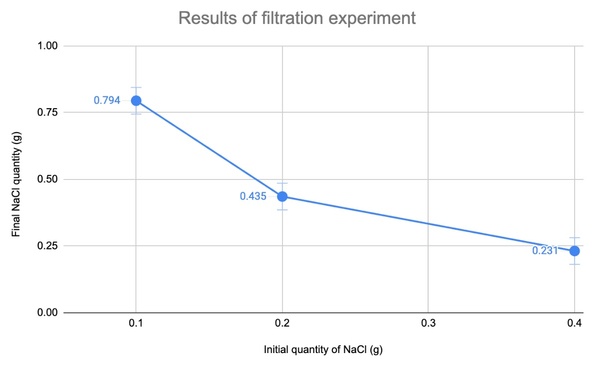
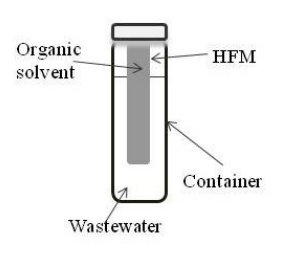
The water we use must be treated and cleaned before we release it back into the environment. Here, the authors investigate two new techniques for purifying dissolved impurities from waste water. Their findings may give rise to more cheaper and more efficient water treatment and help keep the planet greener.