Examining the correlation between Massa Medicata Fermentata and Crohn’s disease: Implications for treatment and patient safety
(1) Loomis Chaffee School, (2) Beijing Bayi School , (3) The University of Sydney
https://doi.org/10.59720/23-158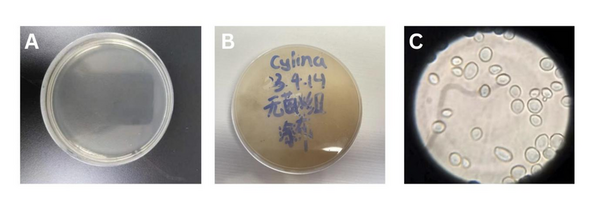
Crohn’s disease, a chronic inflammatory bowel disease (IBD), is characterized by inflammation of the gastrointestinal tract. This condition commonly presents symptoms such as abdominal pain, overwhelming tiredness, weight loss, severe diarrhea, and malnutrition due to impaired nutrient absorption. While no curative treatment currently exists for Crohn’s disease, several therapeutic strategies have been shown to reduce its signs and symptoms. Previous studies have established a connection between the presence of Saccharomyces cerevisiae and Crohn’s disease, although the exact nature of this relationship requires further investigation. Additionally, S. cerevisiae has frequently been utilized in the fermentation process of Chinese herbal medicine (CHMs). We hypothesized that consuming a specific CHM, Massa Medicata Fermentata (MMF), would trigger certain CHM mechanisms to exacerbate Crohn’s disease patients’ condition. We observed the fermentation process of Massa Medicata Fermentata under the microscope to identify S. cerevisiae, examined the effect of adding MMF to S. cerevisiae experimentally, followed by online interviews to validate our findings. Our research suggests a possibility where Massa Medicata Fermentata potentially plays two competing roles. On the one hand, it suppresses yeast development, thereby improving patients’ illness states. On the other hand, it has the potential to provide an environment conducive to the survival of microbes initially present in MMF due to the fermentation process. Our findings provide insights into the safety and efficacy of CHM for treating this chronic disease. While the study advances understanding of MMF’s complex biological interactions, further studies and clinical investigations are essential to determine the broader implications of our findings for the use of CHMs in treating chronic inflammatory conditions.
This article has been tagged with: