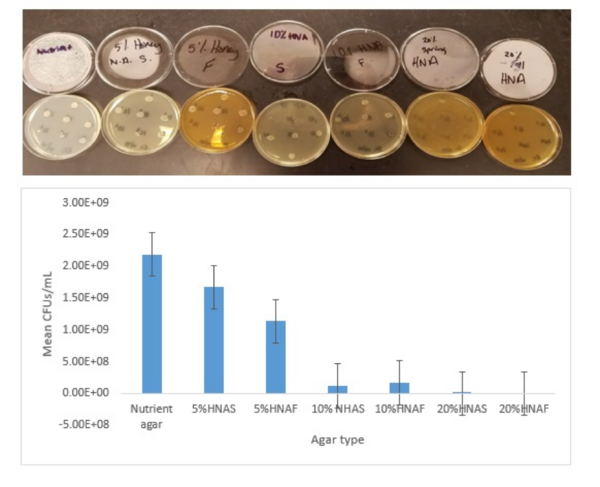
In this study, locally produced fall and spring honeys were tested to determine whether there was a significant difference in their abilities to limit or prevent bacterial growth of E. coli, S. aureus, P. aeruginosa, and S. epidermidis.
Read More...Fall and Spring Honeys Are Equally Effective at Reducing Growth Numbers of E. coli, S. aureus, P. aeruginosa, and S. epidermidis
In this study, locally produced fall and spring honeys were tested to determine whether there was a significant difference in their abilities to limit or prevent bacterial growth of E. coli, S. aureus, P. aeruginosa, and S. epidermidis.
Read More...Higher pH level increases the efficacy of calcium phosphate-mediated intracellular delivery
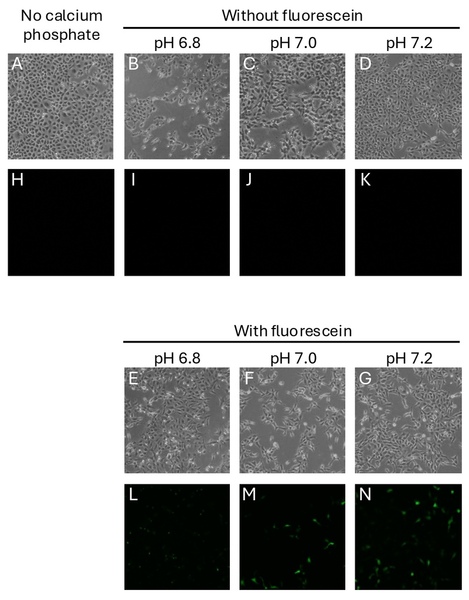
This study investigated the impact of pH on the efficiency of calcium phosphate, used as a drug delivery agent.
Read More...Optimal pH for indirect electrochemical oxidation of isopropyl alcohol with Ru-Ti anode and NaCl electrolyte

In this study, the authors determine optimal pH levels for maximizing isopropanol degradation in water. This has important applications for cleaning up polluted wastewater in the environment.
Read More...The effect of pH levels on the growth rate of diatoms
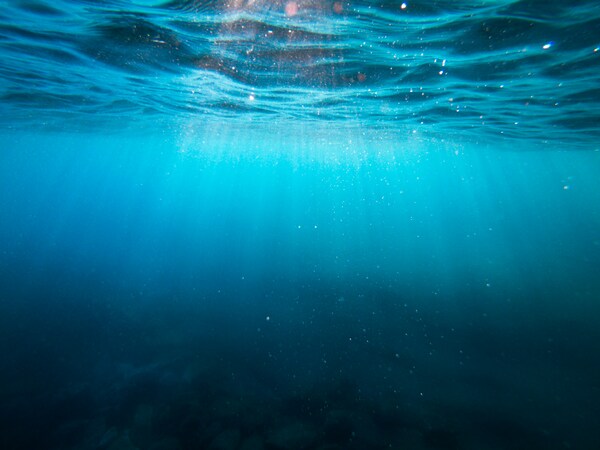
Here the authors investigated how climate change-induced ocean acidification may impact harmful micro algae such as diatoms that produce large amounts of oxygen in the atmosphere and serve as important food sources for other marine organisms. They evaluated diatom growth rates at current seawater pH levels (8.1) alongside reduced pH levels (7.5 and 6.8). The findings indicate that while diatoms maintain steady growth under moderate acidification (pH 7.5), severe acidification down to pH 6.8 significantly limits their ability to adapt and thrive.
Read More...Development of a pH-sensing hydrogel wound dressing for early infection monitoring for all skin color types
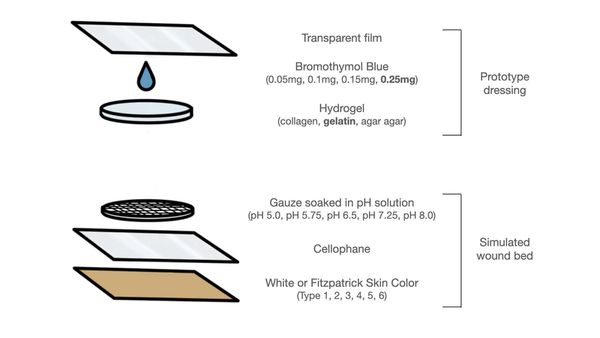
This paper develops a gelatin-based hydrogel dressing infused with bromothymol blue dye that visibly changes from yellow to blue as wound pH rises from 5.0 to 8.0, signaling possible infection. The color shift was visually detectable and statistically significant across all six Fitzpatrick skin tones, suggesting a low-cost ($0.40/dressing) tool for early infection monitoring in settings with limited access to care.
Read More...Low environmental pH inhibits phagosome formation and motility of Tetrahymena pyriformis
.jpg)
In this study, the authors look into some of the implications of rising carbon dioxide levels by studying the effects of acidic pH on the ability of T. pyriformis to feed by quantifying phagosome formation and motility.
Read More...Effect of pH Change on Exoskeletons of Selected Saltwater Organisms Which Rely on Calcium Fixation
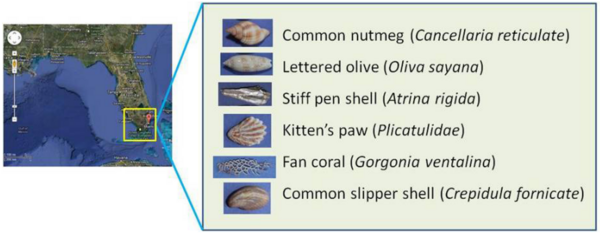
Rising atmospheric carbon dioxide levels are projected to lead to a 0.3- 0.4 unit decrease in ocean surface pH levels over the next century. In this study, the authors investigate the effect of pH change on the mass of calcified exoskeletons of common aquatic organisms found in South Florida coastal waters.
Read More...Pediatric probiotic culture survival study in acidic pH using an in vitro model
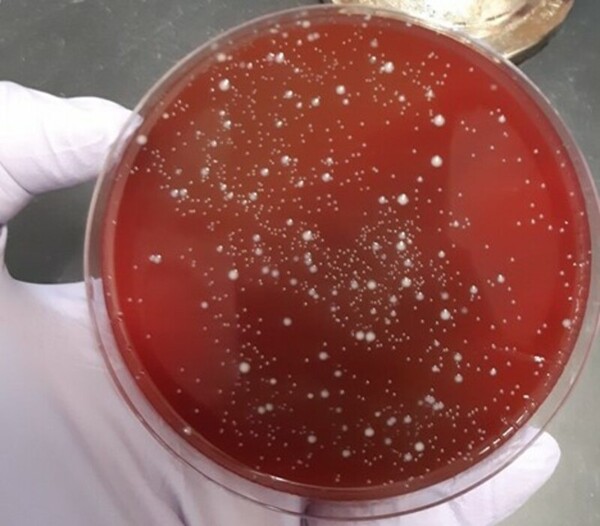
In this study, the authors investigate the effects of acidity on the survival of commercial probiotic Lovebug bacterial strains.
Read More...Developing a neural network to model the mechanical properties of 13-8 PH stainless steel alloy

We systematically evaluated the effects of raw material composition, heat treatment, and mechanical properties on 13-8PH stainless steel alloy. The results of the neural network models were in agreement with experimental results and aided in the evaluation of the effects of aging temperature on double shear strength. The data suggests that this model can be used to determine the appropriate 13-8PH alloy aging temperature needed to achieve the desired mechanical properties, eliminating the need for many costly trials and errors through re-heat treatments.
Read More...Effects of Ocean Acidification on the Photosynthetic Ability of Chaetoceros gracilis in the Monterey Bay

In this article, Harvell and Nicholson hypothesized that increased ocean acidity would decrease the photosynthetic ability of Chaetoceros gracilis, a diatom prolific in Monterey Bay, because of the usually corrosive effects of carbonic acid on both seashells and cells’ internal structures. They altered pH of algae environments and measured the photosynthetic ability of diatoms over four days by spectrophotometer. Overall, their findings indicate that C. gracilis may become more abundant in Monterey Bay as the pH of the ocean continues to drop, potentially contributing to harmful algal blooms.
Read More...