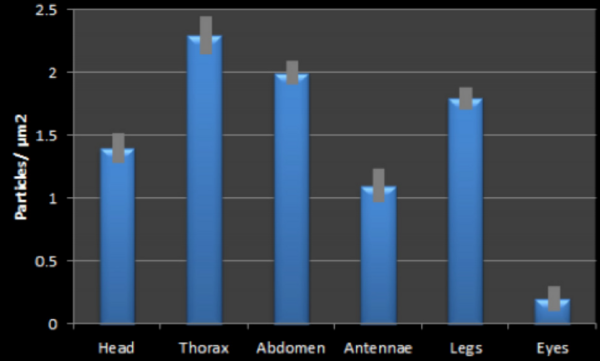
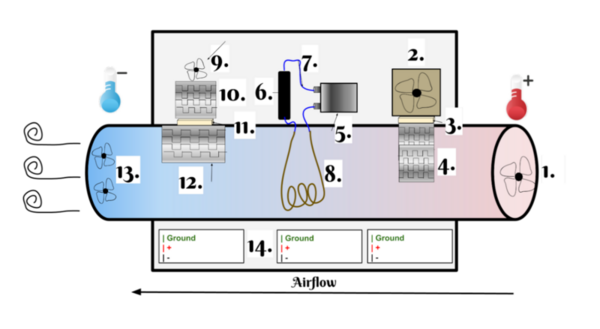
The cause of insect colony collapse disorder (CCD) is still a mystery. In this study, the authors aimed to test the effects of two environmental factors, water vapor and smoke levels, on the social behavior and physical condition of insects. Their findings could help shed light on how changing environmental factors can contribute to CCD.
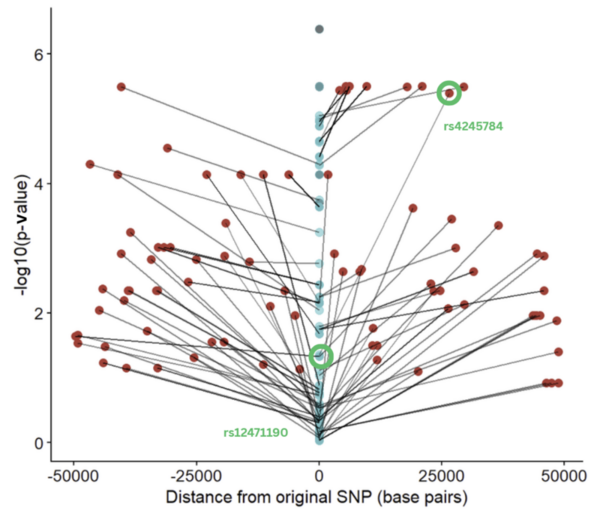
This project investigated whether previously identified genetic risk factors in non-Korean populations were associated with high gastric cancer incidence rates in Koreans.
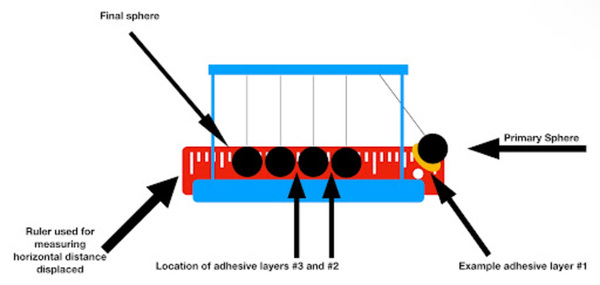
The energy conservation in a system of objects in collision depends on the elasticity of the objects and environmental factors such as air resistance. One system that relies heavily on elasticity is the Newton’s Cradle. We aimed to determine the extent to which these adhesives serve to mitigate or worsen the chaotic movements and elastic collisions.
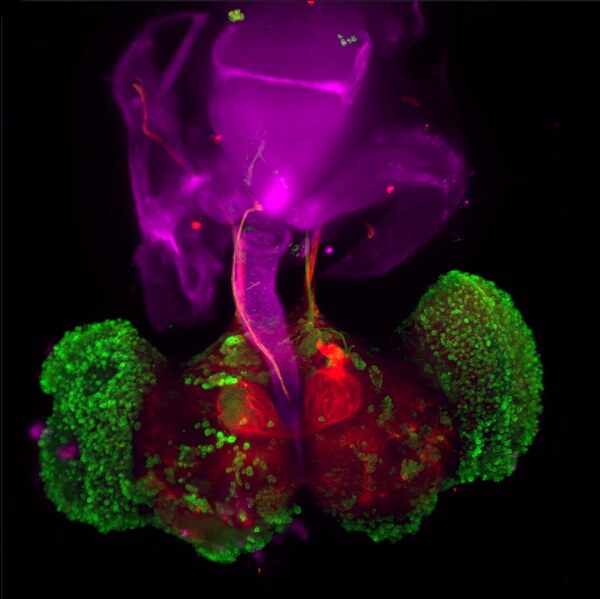
In this article the authors address the complex and life quality-diminishing neurodegenerative disease known as Parkinson's. Although genetic and/or environmental factors contribute to the etiology of the disease, the diagnostic symptoms are the same. By genetically modifying fruit flies to exhibit symptoms of Parkinson's disease, they investigate whether drugs that inhibit mitochondrial calcium uptake or activate the lysosomal degradation of proteins could improve the symptoms of Parkinson's these flies exhibit. The authors report the most promising outcome to be that when both types of drugs were used together. Their data provides encouraging evidence to support further investigation of the utility of such drugs in the treatment of human Parkinson's patients.
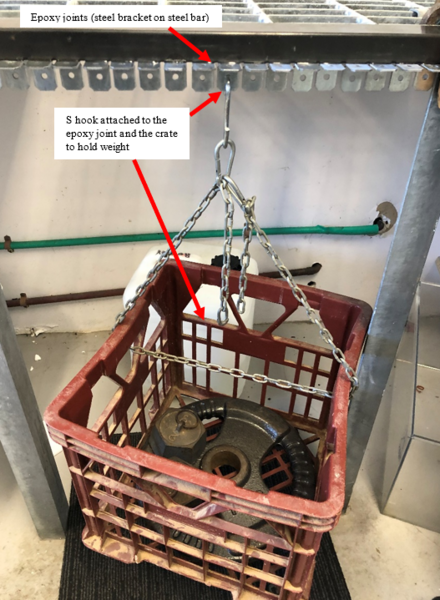
Understanding the techniques used to improve the adhesion strength of the epoxy resin is important especially for consumer applications such as repairing car parts, bonding aluminum sheeting, and repairing furniture or applications within the aviation or civil industry. Selleys Araldite epoxy makes specific strength claims emphasizing that the load or weight that can be supported by the adhesive is 72 kg/cm2. Nguyen and Clarke aimed to test the strength claims of Selley’s Araldite Epoxy by gluing two steel adhesion surfaces: a steel tube and bracket. Results showed that there is a lack of consideration by Selleys for adhesion loss mechanisms and environmental factors when accounting for consumer use of the product leading to disputable claims.
Every year, around 40% of undergraduate students in the United States discontinue their studies, resulting in a loss of valuable education for students and a loss of money for colleges. Even so, colleges across the nation struggle to discover the underlying causes of these high dropout rates. In this paper, the authors discuss the use of machine learning to find correlations between the built environment factors and the retention rates of colleges. They hypothesized that one way for colleges to improve their retention rates could be to improve the physical characteristics of their campus to be more pleasing. The authors used image classification techniques to look at images of colleges and correlate certain features like colors, cars, and people to higher or lower retention rates. With three possible options of high, medium, and low retention rates, the probability that their models reached the right conclusion if they simply chose randomly was 33%. After finding that this 33%, or 0.33 mark, always fell outside of the 99% confidence intervals built around their models’ accuracies, the authors concluded that their machine learning techniques can be used to find correlations between certain environmental factors and retention rates.
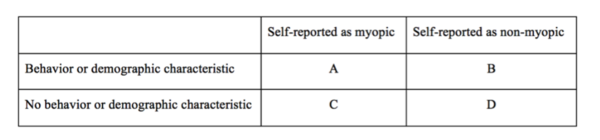
The goal of this project was to assess the relationships among low myopia, behavioral and demographic factors, and a single-nucleotide polymorphism (SNP) in the TGFβ1 gene.
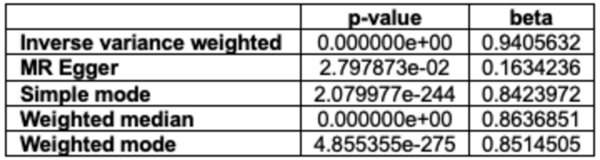
Autism Spectrum Disorder (ASD) and Alzheimer's Disease (AD) are distinct conditions, but research suggests a link, as individuals with ASD are 2.5 times more likely to develop AD. A study employing genome-wide association studies and Mendelian randomization revealed shared genetic factors, particularly in synaptic regulation pathways, that may increase the risk of AD in those with ASD. These findings provide insights into the genetic underpinnings connecting the two disorders.
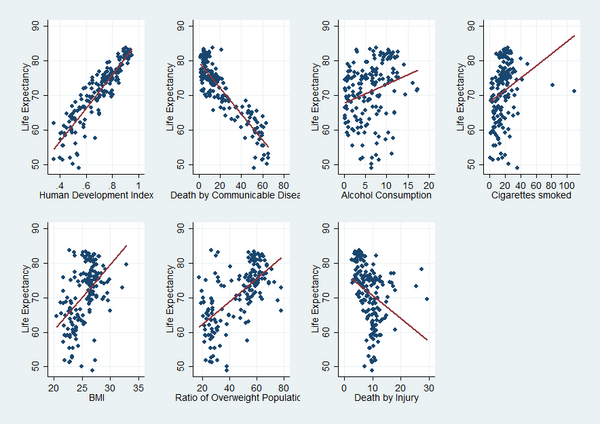
In this article, the authors look into what is already known about the factor affecting longevity and determine the importance of behavioral factors including alcohol consumption, smoking, and obesity on longevity. The authors quantify data from over 150 countries and, interestingly, find that the impact each factor has on longevity is at least in part dependent on the country's economic development status. Overall, they conclude that an average person’s life expectancy can increase by more than 3 years if smoking and alcohol consumption is reduced by a half and weight is decreased by 10%.