Browse Articles

The Effect of Cobalt Biomineralization on Power Density in a Microbial Fuel Cell

Bandyopadhyay et al. | Sep 07, 2015

The Effect of Cobalt Biomineralization on Power Density in a Microbial Fuel Cell

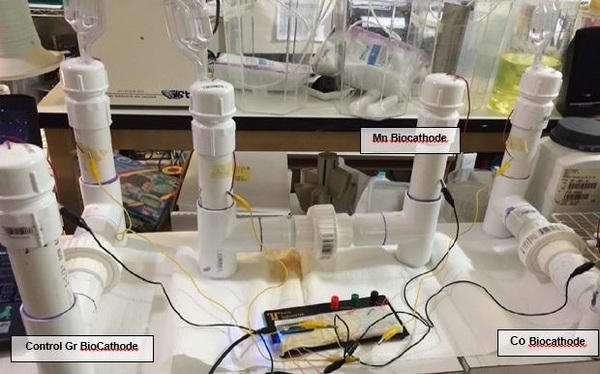
A microbial fuel cell is a system to produce electric current using biochemical products from bacteria. In this project authors operated a microbial fuel cell in which glucose was oxidized by Shewanella oneidensis in the anodic compartment. We compared the power output from biomineralized manganese or cobalt oxides, reduced by Leptothrix cholodnii in the cathodic compartment.

Read More...

The Effect of the Stomatal Index on the Net Rate of Photosynthesis in the Leaves of Spinacia oleracea, Vinca minor, Rhododendron spp, Epipremnum aureum, and Hedera spp

Segev et al. | Nov 15, 2015

The Effect of the Stomatal Index on the Net Rate of Photosynthesis in the Leaves of <i>Spinacia oleracea</i>, <i>Vinca minor</i>, <i>Rhododendron spp</i>, <i>Epipremnum aureum</i>, and <i>Hedera spp</i>

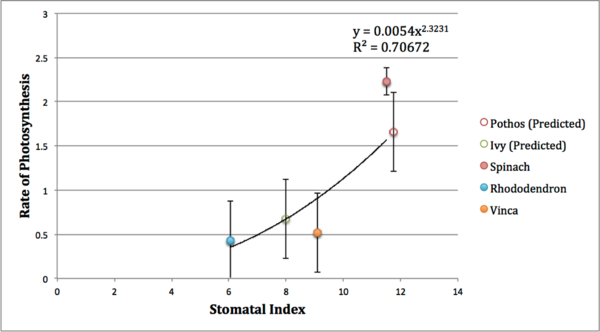
The density of stomata, or stomatal index, in plant leaves is correlated with the plant's rate of photosynthesis, and affected by the plant's climate. In this paper, authors measure the stomatal index of five plant species to derive their rates of photosynthesis. These results could help track changes in plants' photosynthetic rates with changing climate.

Read More...

Who is at Risk for a Spinal Fracture? – A Comparative Study of National Health and Nutrition Examination Survey Data

He et al. | Mar 01, 2018

Who is at Risk for a Spinal Fracture? – A Comparative Study of National Health and Nutrition Examination Survey Data

One common age-related health problem is the loss of bone mineral density (BMD), which can lead to a variety of negative health outcomes, including increased risk of spinal fracture. In this study, the authors investigate risk factors that may be predictive of an individual's risk of spinal fracture. Their findings provide valuable information that clinicians can use in patient evaluations.

Read More...

The characterization of quorum sensing trajectories of Vibrio fischeri using longitudinal data analytics

Abdel-Azim et al. | Dec 16, 2023

The characterization of quorum sensing trajectories of <i>Vibrio fischeri</i> using longitudinal data analytics

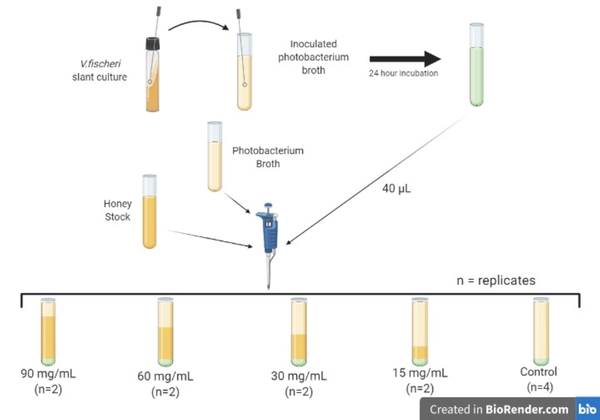
Quorum sensing (QS) is the process in which bacteria recognize and respond to the surrounding cell density, and it can be inhibited by certain antimicrobial substances. This study showed that illumination intensity data is insufficient for evaluating QS activity without proper statistical modeling. It concluded that modeling illumination intensity through time provides a more accurate evaluation of QS activity than conventional cross-sectional analysis.

Read More...

The Effect of Poverty on Mosquito-borne Illness Across the United States

Kar et al. | Feb 25, 2021

The Effect of Poverty on Mosquito-borne Illness Across the United States

Mosquito-borne diseases are a major issue across the world, and the objective for this project was to determine the characteristics that make some communities more susceptible to these diseases than others. The authors identified and studied characteristics that make communities susceptible to mosquito-borne diseases, including water in square miles, average temperature, population, population density, and poverty rates per county. They found that the population of a county is the best indicator of the prevalence of mosquito-borne diseases.

Read More...

Cytokine Treatment for Myocarditis May Directly Impact Cardiomyocytes Negatively

Kasner et al. | Apr 26, 2019

Cytokine Treatment for Myocarditis May Directly Impact Cardiomyocytes Negatively

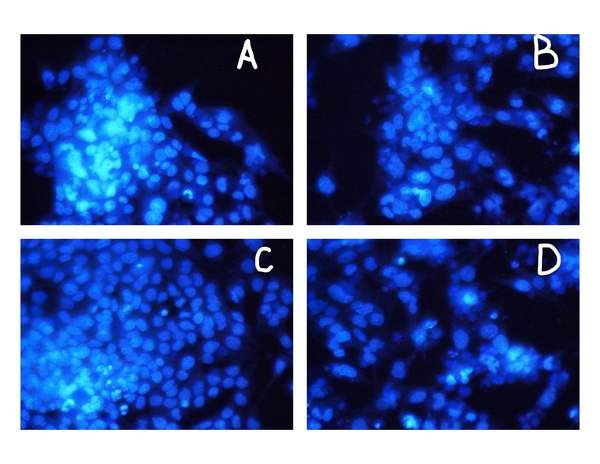
The purpose of our study was to determine if direct administration of CXCL1/KC to cardiomyocytes causes negative changes to cell density or proliferation. This molecule has been shown to reduce inflammation in certain instances. Homocysteine models the direct effect of an inflammatory agent on cardiomyocytes. Our question was whether these molecules directly impact cell density through an interaction with the cell proliferation process. We hypothesized that cells treated with CXCL1/KC would maintain the same cell density as untreated cells. In contrast, cells treated with Homocysteine or both Homocysteine and CXCL1/KC, were expected to have a higher cell density that than that of untreated cells.

Read More...

Mapping the Electromagnetic Field in Front of a Microwave Oven

Xiang et al. | Sep 21, 2019

Mapping the Electromagnetic Field in Front of a Microwave Oven

There is limited evidence that extended exposure to an electromagnetic field (EMF) has negative health effects on humans. The authors measured the power density and strength of EMF at different distances and directions in front of a microwave oven, and they discuss the safety of different distances.

Read More...

Investigating facilitated biofilm formation in Escherichia coli exposed to sublethal levels of ampicillin

Yang et al. | Jan 20, 2023

Investigating facilitated biofilm formation in <em>Escherichia coli</em> exposed to sublethal levels of ampicillin

Here, the authors recognized the tendency of bacteria to form biofilms, where this behavior offers protection against threats such as antibiotics. To investigate this, they observed the effects of sublethal exposure of the antibiotic ampicillin on E. coli biofilm formation with an optical density crystal violet assay. They found that exposure to ampicillin resulted in the favored formation of biofilms over time, as free-floating bacteria were eradicated.

Read More...