Browse Articles

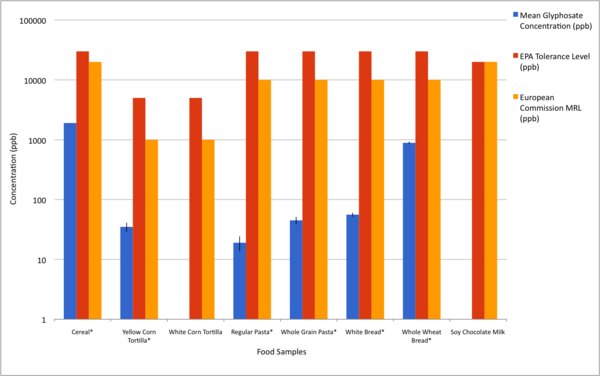
Glyphosate Levels in American Food Products Meet Government Safety Levels Yet Exceed Concentrations Associated with Negative Effects

Lee et al. | Mar 25, 2019

Glyphosate Levels in American Food Products Meet Government Safety Levels Yet Exceed Concentrations Associated with Negative Effects

Glyphosate is the active ingredient in the herbicide Roundup, frequently used in the agricultural industry worldwide. Current literature reveals contradictory findings regarding the effects of glyphosate on vertebrates, leading to concerns about human consumption and differing views on safety levels. Here, authors sought to measure glyphosate levels in common commercially available food products. While some product levels exceed the thresholds at which negative effects have been observed, none exceed government limits.

Read More...
Public Perception of the Effects of Artificial Sweeteners on Diabetes Based on YouTube Comments

Kim et al. | Jun 25, 2024

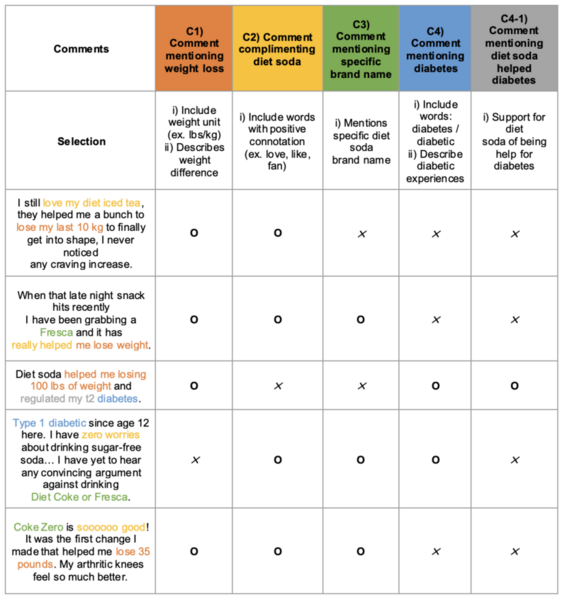
Public Perception of the Effects of Artificial Sweeteners on Diabetes Based on YouTube Comments
Image credit: The authors

Artificial sweeteners are rising in popularity, in part due to the influence of social media platforms like YouTube. However, YouTube commenters often repeat information about artificial sweeteners that is not supported by scientific research. To investigate how misinformation about sweeteners spreads through social media, Kim and Yoo conduct a content analysis of YouTube comments to reveal how many comments repeat misinformation about artificial sweeteners' effects.

Read More...

Correlates of Sugar Consumption Among High School Students and Faculty

McBurnett et al. | Mar 07, 2019

Correlates of Sugar Consumption Among High School Students and Faculty

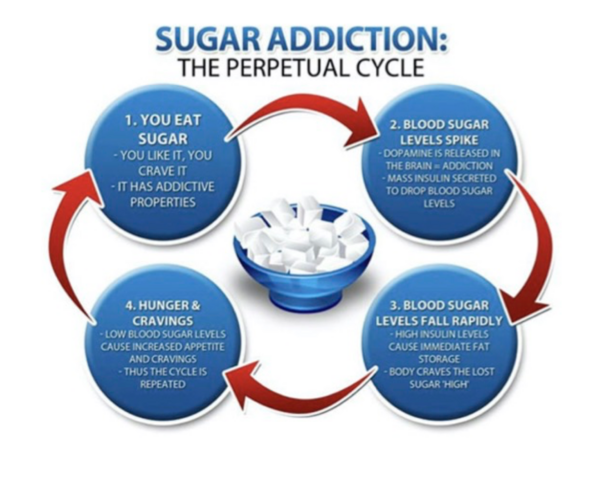
The availability, portion sizes, and consumption of highly palatable food has been linked adverse health outcomes. McBurnett and O’Donnell sought to assess the relationship between reward-based eating drive, consumption, cravings, and knowledge of the effects of sugary foods. In this study population, reward-based eating drive was related to both consumption and cravings. Further, for females, the knowledge of sugar’s effects was significantly and inversely associated with its consumption.

Read More...