Browse Articles

Impact of hog farming on water quality of aquatic environments in North Carolina

Kancharla et al. | Aug 08, 2023

Impact of hog farming on water quality of aquatic environments in North Carolina

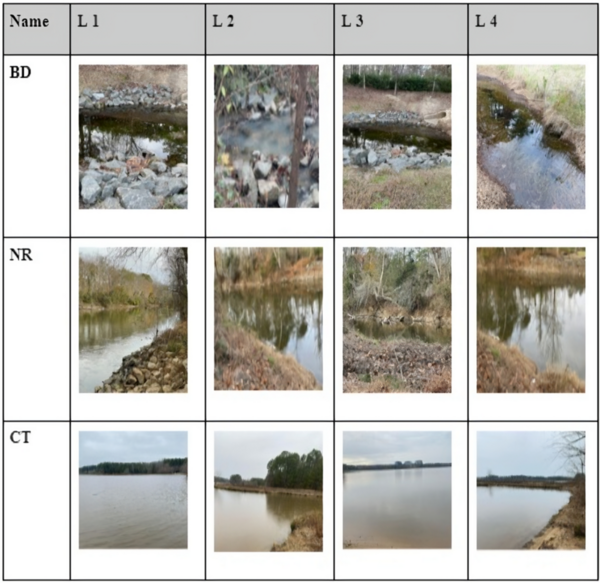
This study collected samples from water bodies near hog farms and an aquatic environment not near a hog farm. It was hypothesized that water bodies near the hog farms would have lower water quality with higher turbidity, total dissolved solids (TDS), and pH than the water body not in proximity to a hog farm because of water contamination with hog waste. Results showed that the turbidity was 4–6 times higher, TDS was 1.5–2 times higher, and pH was 3 units higher in the 2 experimental locations compared to the control location. This study and its findings are important for understanding the impact of hog farming on the proximal water bodies.

Read More...

Integrated Ocean Cleanup System for Sustainable and Healthy Aquatic Ecosystems

Anand et al. | Nov 14, 2020

Integrated Ocean Cleanup System for Sustainable and Healthy Aquatic Ecosystems

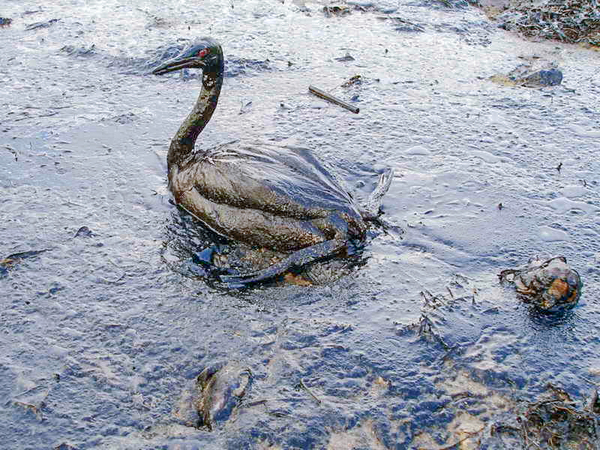
Oil spills are one of the most devastating events for marine life. Finding ways to clean up oil spills without the need for harsh chemicals could help decrease the negative impact of such spills. Here the authors demonstrate that using a combination of several biodegradable substances can effectively adsorb oil in seawater in a laboratory setting. They suggest further exploring the potential of such a combination as a possible alternative to commonly-used non-biodegradable substances in oil spill management.

Read More...

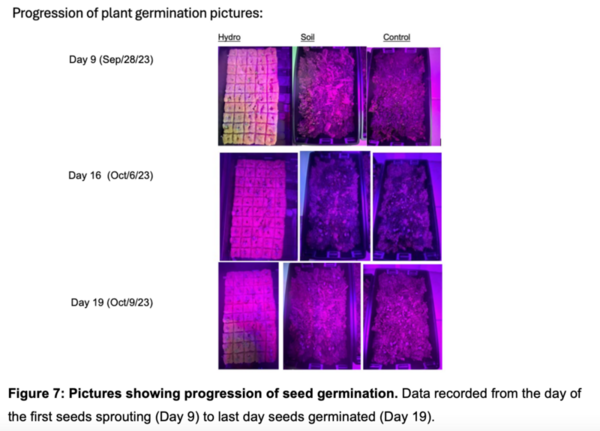
An exploration of western mosquitofish as the animal component in an aquaponic farming system

Medina et al. | Dec 03, 2024

An exploration of western mosquitofish as the animal component in an aquaponic farming system
Image credit: The authors

Aquaponics (the combination of aquatic plant farming with fish production) is an innovative farming practice, but the fish that are typically used, like tilapia, are expensive and space-consuming to cultivate. Medina and Alvarez explore other options test if mosquitofish are a viable option in the aquaponic cultivation of herbs and microgreens.

Read More...

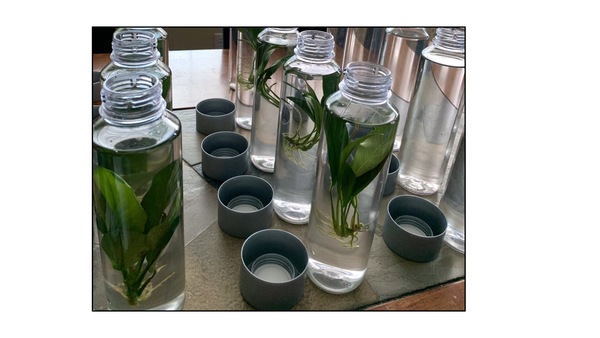
The Effect of Anubias barteri Plant Species on Limiting Freshwater Acidification

Ramanathan et al. | Jul 06, 2021

The Effect of <i>Anubias barteri</i> Plant Species on Limiting Freshwater Acidification

Research relating to freshwater acidification is minimal, so the impact of aquatic plants, Anubias barteri var. congensis and Anubias barteri var. nana, on minimizing changes in pH was explored in an ecosystem in Northern California. Creek water samples, with and without the aquatic plants, were exposed to dry ice to simulate carbon emissions and the pH was monitored over an eight-hour period. There was a 25% difference in the observed pH based on molar hydrogen ion concentration between the water samples with plants and those without plants, suggesting that aquatic plants have the potential to limit acidification to some extent. These findings can guide future research to explore the viable partial solution of aquatic plants in combating freshwater acidification.

Read More...
The Effect of Different Concentrations of Iron on the Growth of Egeria (Elodea) Densa

Hu et al. | Jan 08, 2015

The Effect of Different Concentrations of Iron on the Growth of <em>Egeria (Elodea) Densa</em>

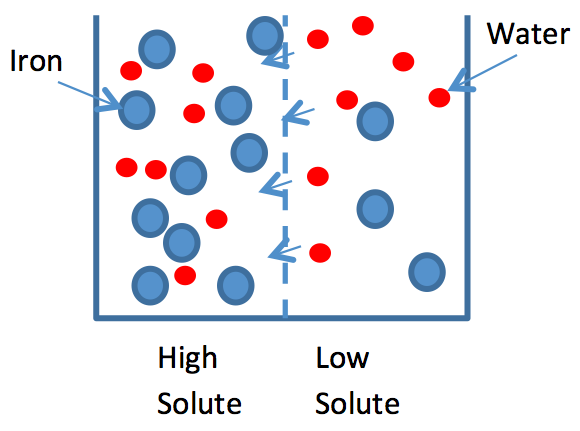
Minerals such as iron are essential for life, but too much of a good thing can be poisonous. Here the authors investigate the effect of iron concentrations on the growth of an aquatic plant and find that supplementing small amounts of iron can help, but adding too much can be bad for the plant. These results should help inform decisions on allowable iron concentrations in the environment, aquatic farming, and even home aquariums.

Read More...

Increasing CO2 levels in water decrease the hatching success of brine shrimp

Greer et al. | Jan 07, 2025

Increasing CO<sub>2</sub> levels in water decrease the hatching success of brine shrimp
Image credit: "Live brine shrimp" by Saul Dolgin is licensed under CC BY 2.0. To view a copy of this license, visit https://creativecommons.org/licenses/by/2.0/?ref=openverse.

As atmospheric carbon dioxide (CO2) levels rise, ocean acidification poses a growing threat to marine ecosystems. To better understand these changes, this study investigates how varying CO2 levels influence the growth of brine shrimp. The findings offer important insights into the resilience of aquatic life and the broader implications of environmental change.

Read More...

Effect of Fertilizer on Water Quality of Creeks over Time

Chen et al. | May 02, 2021

Effect of Fertilizer on Water Quality of Creeks over Time

Fertilizers are commonly used to improve agricultural yield. Unfortunately, chemical fertilizers can seep into drinking water, potentially harming humans and other forms of life. Here, the authors investigate the effect of fertilizer on the water quality of Saratoga Creek over time. They find that fertilizers can alter the acidity of the creek's water, which can be harmful to aquatic species, as well as increase the levels of nitrates temporarily.

Read More...