Browse Articles

An Exploration of a Honey-Ginger Supplement as an Antimicrobial Agent

Phillips et al. | Jul 10, 2016

An Exploration of a Honey-Ginger Supplement as an Antimicrobial Agent

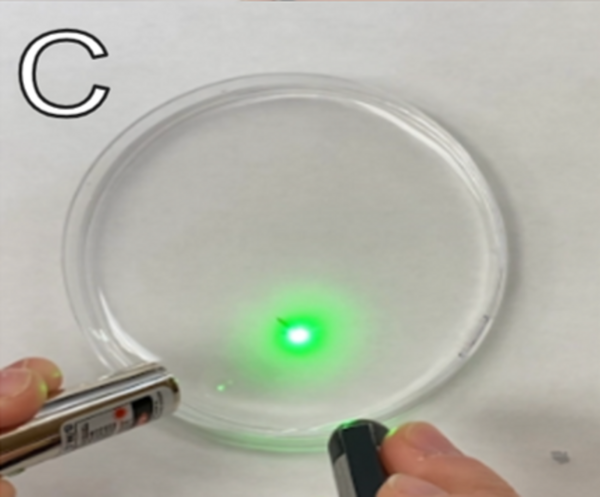
Due to the increase in antimicrobial resistance, alternative medicinal therapies are being explored. Studies have shown that honey and ginger alone have antimicrobial effects on the genera Staphylococcus and Escherichia, including S. epidermidis and E. coli. The authors of this study tested whether a honey-ginger supplement, Jengimiel™, could be used as an antimicrobial agent against S. epidermidis and E. coli K-12.

Read More...

A study of Syrian students' migration motivations, destinations, and return intentions in a time of crisis

Merjaneh et al. | Apr 16, 2026

A study of Syrian students' migration motivations, destinations, and return intentions in a time of crisis
Image credit: Aaron Burden, 2017

This study investigates the migration intentions of Syrian high school and university students amid ongoing conflict and economic instability. Drawing on survey data, the research examines how academic stage influences migration motivations, preferred destinations, and return intentions. The findings reveal a widespread desire to emigrate, driven by educational, economic, and security concerns, highlighting significant implications for Syria’s future workforce and post-conflict recovery.

Read More...

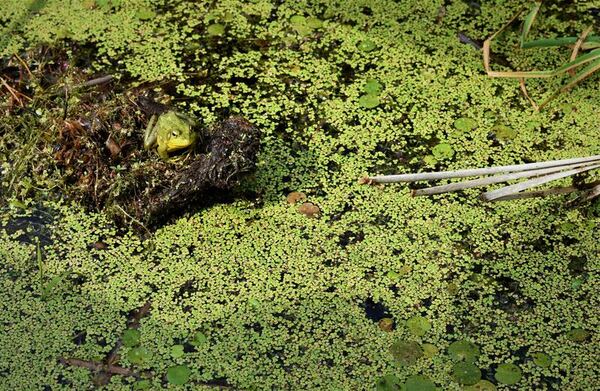
Floating aquatic plants form groups faster through current

May et al. | Oct 16, 2023

Floating aquatic plants form groups faster through current
Image credit: N Band

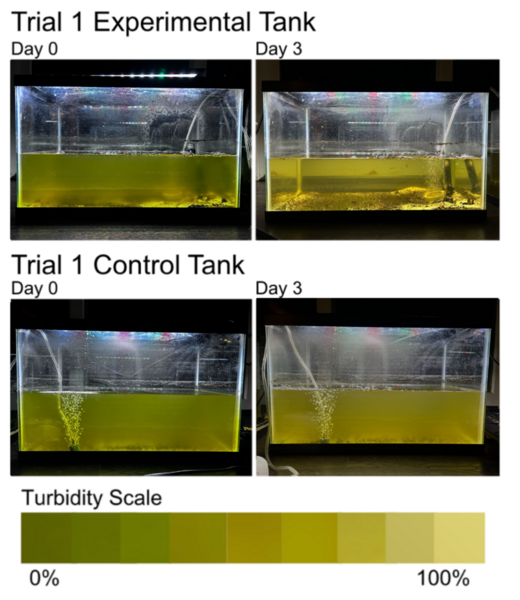
Here, the authors sought to investigate the effects of water current on the growth of colonies of duckweed, a floating plant that forms colonies in silent ponds, marshes, lakes , and streams in North America. They found that current flow mediates the formation of colonies, disrupting and recreating the colonies which provides the opportunity for reorganizations that were identified as beneficial.

Read More...

Association between nonpharmacological interventions and dementia: A retrospective cohort study

Yerabandi et al. | Jan 09, 2023

Association between nonpharmacological interventions and dementia: A retrospective cohort study
Image credit: Ross Sneddon

Here, the authors investigated the role of nonpharmacological interventions in preventing or delaying cognitive impairment in individuals with and without dementia. By using a retrospective case-control study of 22 participants across two senior centers in San Diego, they found no significant differences in self-reported activities. However, they found that their results reflected activity rather than the activity itself, suggesting the need for an alternative type of study.

Read More...

Does technology help or hurt learning? Evidence from middle school and high school students

Lu et al. | Oct 02, 2022

Does technology help or hurt learning? Evidence from middle school and high school students

Here, recognizing the vastly different opinion held regarding device usage, the authors considered the effects of technology use on middle and high school students' learning effectiveness. Using an anonymous online survey they found partial support that device use at school increases learning effectiveness, but found strong support for a negative effect of technology use at home on learning effectiveness. Based on their findings they suggest that the efficacy of technology depends on environmental context along with other important factors that need consideration.

Read More...

The Potential of Fibroblast Growth Factors to Stimulate Hair Growth In Vitro

Cheng et al. | Nov 07, 2021

The Potential of Fibroblast Growth Factors to Stimulate Hair Growth In Vitro

Identifying treatments that can stimulate hair growth use could help those struggling with undesirable hair loss. Here, the authors show that Fibroblast Growth Factors can stimulate the division of cells isolated from the mouse hair follicle. Their results suggest that this family of growth factors might be helpful in stimulating hair growth in living animals as well.

Read More...