Browse Articles

Combating Insulin Resistance Using Medicinal Plants as a Supplementary Therapy to Metformin in 3T3-L1 Adipocytes: Improving Early Intervention-Based Diabetes Treatment

Jayram et al. | Apr 08, 2019

Combating Insulin Resistance Using Medicinal Plants as a Supplementary Therapy to Metformin in 3T3-L1 Adipocytes: Improving Early Intervention-Based Diabetes Treatment

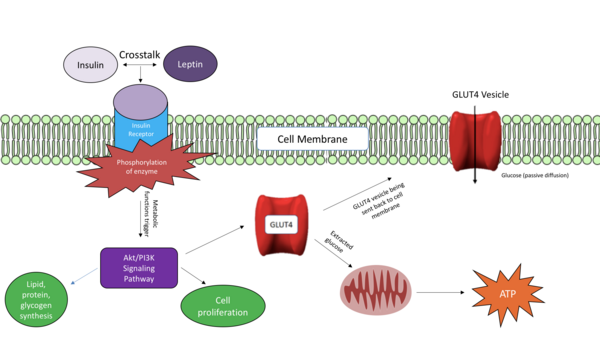
A primary cause of diabetes is insulin resistance, which is caused by disruption of insulin signal transduction. The objective of this study was to maximize insulin sensitivity by creating a more effective, early intervention-based treatment to avert severe T2D. This treatment combined metformin, “the insulin sensitizer”, and medicinal plants, curcumin, fenugreek, and nettle.

Read More...

Don’t Waste the Medical Waste: Reducing Improperly Classified Hazardous Waste in a Medical Facility

Hemani et al. | Jun 20, 2018

Don’t Waste the Medical Waste: Reducing Improperly Classified Hazardous Waste in a Medical Facility

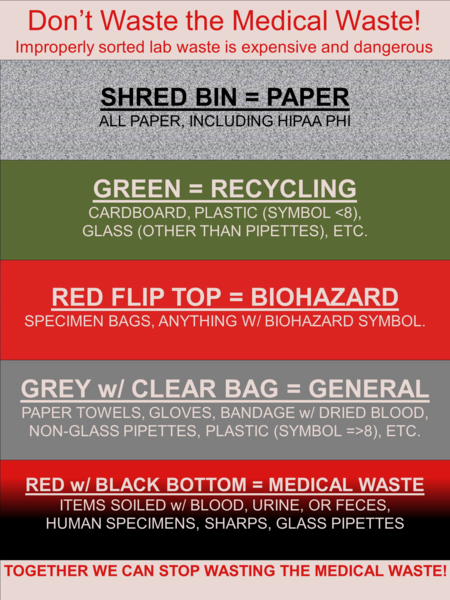
Hemani et al. tackled the problem of rampant hospital waste by implementing staff training to help inform hospital workers about proper waste disposal. The authors observed a significant increase in proper waste disposal after the training, showing that simple strategies, such as in-person classroom training and posters, can have a profound effect on limiting improper waste handling.

Read More...

Reducing tremors in LRRK2-G2019S genetically-mutated Parkinson’s flies with a lovastatin–levodopa combination

Foell et al. | Nov 11, 2026

Reducing tremors in LRRK2-G2019S genetically-mutated Parkinson’s flies with a lovastatin–levodopa combination
Image credit: Authors

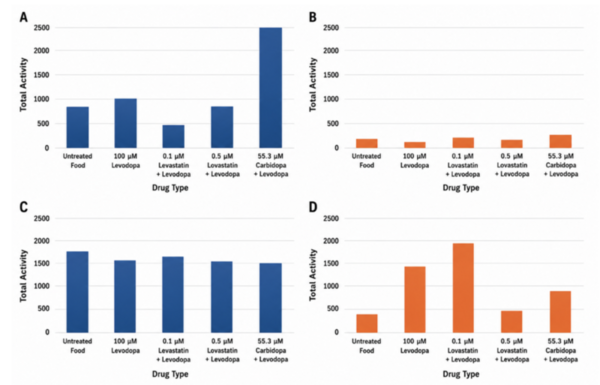
Here the authors investigated alternative treatments for Parkinson's disease tremors, this study tested whether replacing the traditional carbidopa component with lovastatin in a levodopa combination would improve symptom reduction in a Drosophila melanogaster model. The findings revealed that the lovastatin–levodopa combination was more optimal at reducing tremors than the standard treatment, pointing to a potentially superior therapeutic approach for future investigation.

Read More...

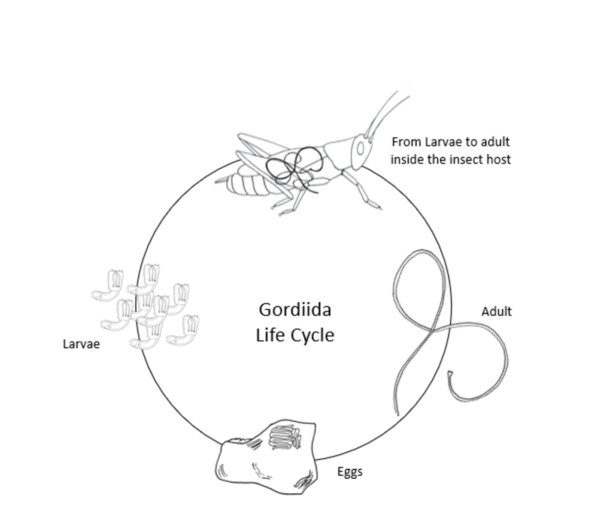
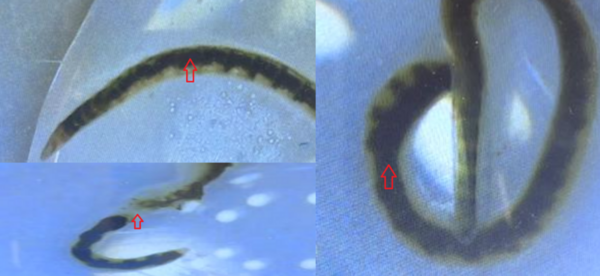
Exploring chemical cue perception in gordiid worms: A behavioral assessment

Brauer et al. | Nov 11, 2026

Exploring chemical cue perception in gordiid worms: A behavioral assessment
Image credit: Authors

Here the authors investigated whether freshwater nematomorph parasites use chemical cues for mate finding and predator avoidance by exposing them to water from the opposite sex, crushed conspecifics, and plain freshwater. Although their experimental exposures yielded no statistically significant behavioral effects, the study establishes a methodological foundation for exploring chemical ecology in these understudied organisms.

Read More...

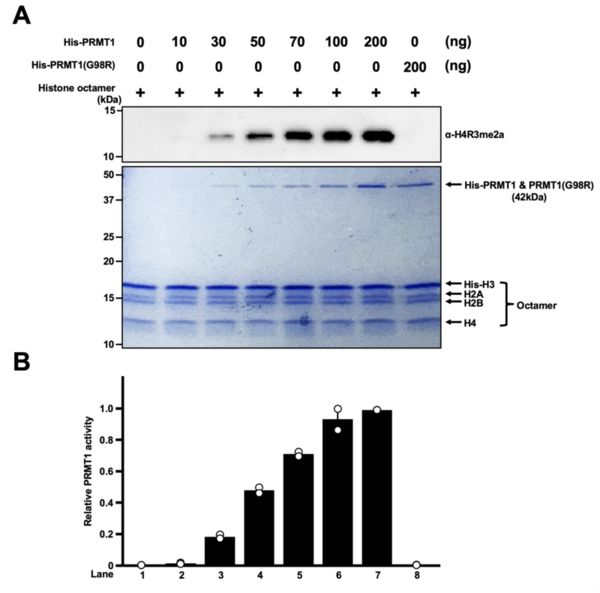
Leaky expression of PRMT1 in Escherichia coli and redox regulation of its histone methyltransferase activity

Kim et al. | Oct 07, 2026

Leaky expression of PRMT1 in <i>Escherichia coli</i> and redox regulation of its histone methyltransferase activity

This study characterizes recombinant human Protein arginine methyltransferase 1 (PRMT1) expressed in Escherichia. coli and reveals that the enzyme exhibits leaky expression even without isopropyl β-D-1-thiogalactopyranoside (IPTG) induction. Through in vitro histone methyltransferase assays, we demonstrate that PRMT1 activity toward histone H4R3 is enhanced by dithiothreitol (DTT) in a dose-dependent manner but remains unresponsive to β-mercaptoethanol. These findings highlight the critical role of redox conditions in regulating PRMT1 catalytic function and provide a practical framework for future biochemical and kinetic studies.

Read More...