Microplastic pollution is a pressing environmental issue, particularly in the context of its potential impacts on ecosystems and human health. In this study, we explored the ability of plants, specifically those cultivated for human consumption, to absorb microplastics from their growing medium. We found no evidence of microplastic absorption in both intact and mechanically damaged roots. This outcome suggests that microplastics larger than 10 μm may not be readily absorbed by the root systems of leafy crops such as lettuce (L. sativa).
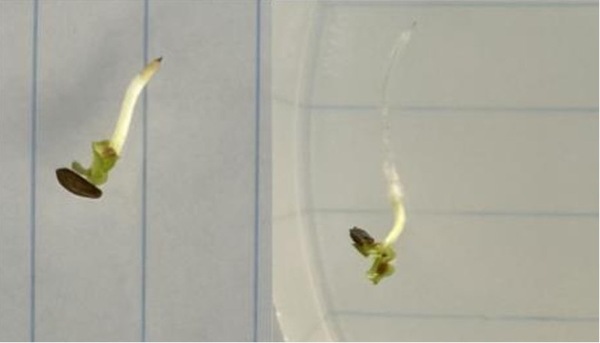
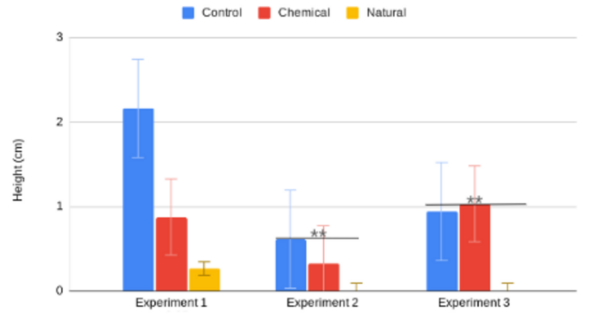
Agricultural fertilizer application is a key innovation in providing enough food to feed the world. Fertilizers come in various types and farmers must choose which fertilizer is the best for their applications. To learn more about the effectiveness of various fertilizers, Wilson and Rasmus studied the effects of natural and chemical fertilizers on growth of basil plants.
The authors looked at the ability of Shewanella oneidensis to generate energy in a microbial fuel cell under varying conditions. They found that the S. Onedensis biofilm was able to produce energy in microgravity and that one of the biggest factors that limited energy production was a decrease in growth medium present.
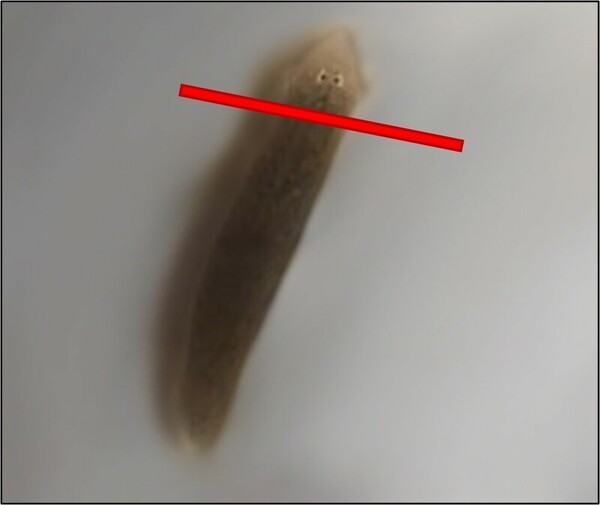
The consumption of sugar substitute non-nutritive sweeteners (NNS) has dramatically increased in recent years. Despite being advertised as a healthy alternative, NNS have been linked to adverse effects on the body, such as neurodegenerative diseases (NDs). In NDs, neural stem cell function is impaired, which inhibits neuron regeneration. The purpose of this study was to determine if the NNS acesulfame potassium (Ace-K) and neotame affect planaria neuron regeneration rates. Since human neurons may regenerate, planaria, organisms with extensive regenerative capabilities due to stem cells called neoblasts, were used as the model organism. The heads of planaria exposed to either a control or non-toxic concentrations of NNS were amputated. The posterior regions of the planaria were observed every 24 hours to see the following regeneration stages: (1) wound healing, (2) blastema development, (3) growth, and (4) differentiation. The authors hypothesized that exposure to the NNS would slow planaria regeneration rates. The time it took for the planaria in the Ace-K group and the neotame group to reach the second, third, and fourth regeneration stage was significantly greater than that of the control. The results of this study indicated that exposure to the NNS significantly slowed regeneration rates in planaria. This suggests that the NNS may adversely impact neoblast proliferation rates in planaria, implying that it could impair neural stem cell proliferation in humans, which plays a role in NDs. This study may provide insight into the connection between NNS, human neuron regeneration, and NDs.
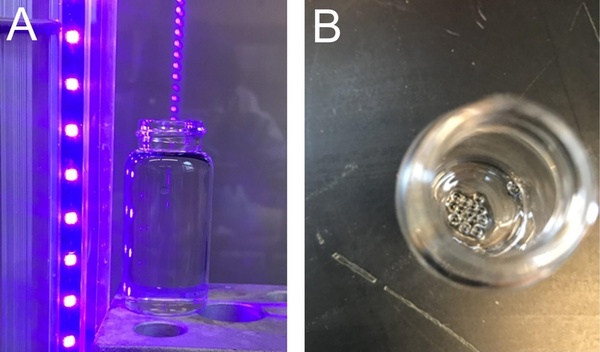
Superabsorbent beads are remarkable, used throughout our daily lives for various practical applications. These beads, as suggested by their name, possess a unique ability to absorb and retain large quantities of liquids. This characteristic of absorbency makes them essential throughout the medical field, agriculture, and other critical industries as well as in everyday products. To create these beads, the process of photopolymerization is fast growing in favor with distinct advantages of cost efficiency, speed, energy efficiency, and mindfulness towards the environment. In this article, researchers explore the pairing of cheap monomers with accessible equipment for creation of superabsorbent beads via the photopolymerization process. This research substantially demonstrates the successful application of photopolymerization in producing highly absorbent beads in a low-cost context, thereby expanding the accessibility of this process for creating superabsorbent beads in both research and practical applications.
The phenomenon of dying trees and plants in areas affected by acid rain has become increasingly problematic in recent times. Is there any method to efficiently utilize the rainwater and reduce the harmfulness of acid rain or make it beneficial to plants? This study aimed to investigate the potential of neutralizing acid rainwater infiltrating the soil to increase soil pH, produce beneficial salts for plants, and support better plant growth. To test this hypothesis, precipitation samples were collected from six states in the U.S. in 2022, and the pH of the acid rain was measured to obtain a representative pH value for the country. Experiments were then conducted to simulate the neutralization of acid rain and the subsequent change in soil pH levels. To evaluate the effectiveness and feasibility of this method, cat grass was planted in pots of soil soaked with solutions mimicking acid rain, with control and experimental groups receiving neutralizing agents (ammonium hydroxide) or not. Plant growth was measured by analyzing the height of the plants. Results demonstrated that neutralizing agents were effective in improving soil pH levels and that the resulting salts produced were beneficial to the growth of the grass. The findings suggest that this method could be applied on a larger agricultural scale to reduce the harmful effects of acid rain and increase agricultural efficiency.
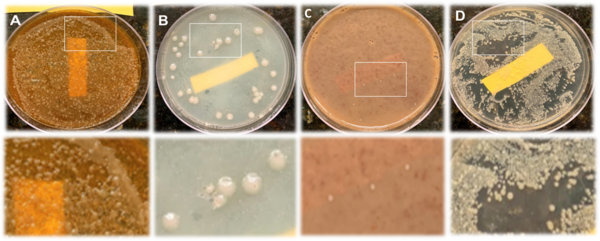
Bacteria cause tooth decay, plaque, bad breath, and other diseases. Despite being cleaned with water and toothpaste, oral bacteria live on our toothbrushes. Bacterial growth has been shown to be inhibited by different toothpastes and common household spices. This study tested how different toothpastes and common household spices, including cinnamon, cumin, nutmeg, and ground white pepper, can inhibit bacteria from growing on toothbrushes
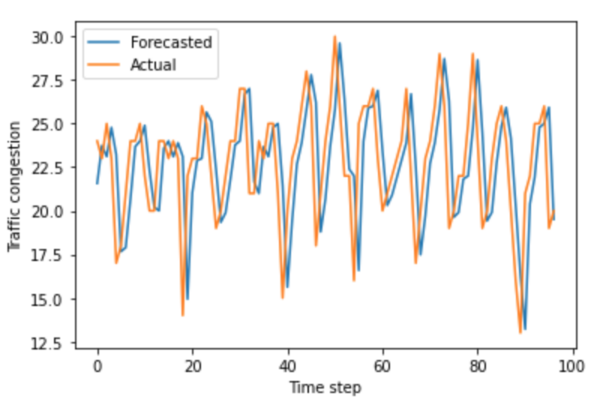
In this paper, we measured the privacy budgets and utilities of different differentially private mechanisms combined with different machine learning models that forecast traffic congestion at future timestamps. We expected the ANNs combined with the Staircase mechanism to perform the best with every value in the privacy budget range, especially with the medium high values of the privacy budget. In this study, we used the Autoregressive Integrated Moving Average (ARIMA) and neural network models to forecast and then added differentially private Laplacian, Gaussian, and Staircase noise to our datasets. We tested two real traffic congestion datasets, experimented with the different models, and examined their utility for different privacy budgets. We found that a favorable combination for this application was neural networks with the Staircase mechanism. Our findings identify the optimal models when dealing with tricky time series forecasting and can be used in non-traffic applications like disease tracking and population growth.
Here, the authors investigated alternative methods to irrigate plants based on the their identification that current irrigation systems waste a large amount of fresh water. They compared three different delivery methods for water: conventional sprinkler, underground cloth, and a perforated pipe embedded in the soil. They found the cloth method to save the most water, although plant growth was slightly less in comparison to plants watered with the sprinkler method or pipe method.
Here, based on identification of iron deficiencies of a majority of people around the world, the authors sought to understand how the two main forms of dietary iron, heme and non-heme, affect the bacteria found in the human gut. by using a cell plate study, they found that bacterial growth increased with increasing concentration os either form of iron, up until the point where the high iron content resulted in cytotoxicity. They suggest this evidence points to the potential dangers of overconsumption of iron.
.PNG)