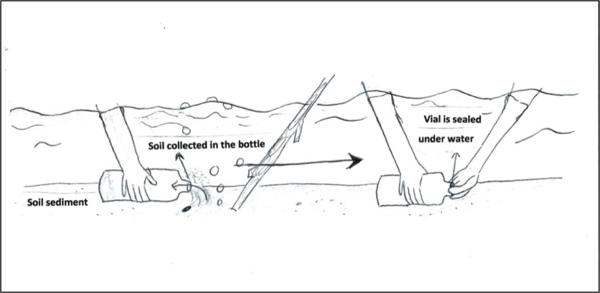
Methane is a naturally-occurring gas that could be utilized as a renewable source of energy. In this study, authors isolated microorganisms from the Puget Sound region that could produce methane biofuel from composted waste.
Read More...Biowaste to Biofuel: Using Methane-Producing Microorganisms Found in Soil Samples from Local Wetlands
Methane is a naturally-occurring gas that could be utilized as a renewable source of energy. In this study, authors isolated microorganisms from the Puget Sound region that could produce methane biofuel from composted waste.
Read More...The Effect of Delivery Method, Speaker Demographics, and Physical Environment on the Engagement Level of Older Adults

With an increasing older adult population and rapid advancements in technology, it is important that senior citizens learn to use new technologies to remain active in society. A variety of factors on learning were investigated through surveys of senior citizens. Older adults preferred an interactive lesson style, which also seemed to help them retain more course material.
Read More...The Effect of Different Concentrations of Iron on the Growth of Egeria (Elodea) Densa
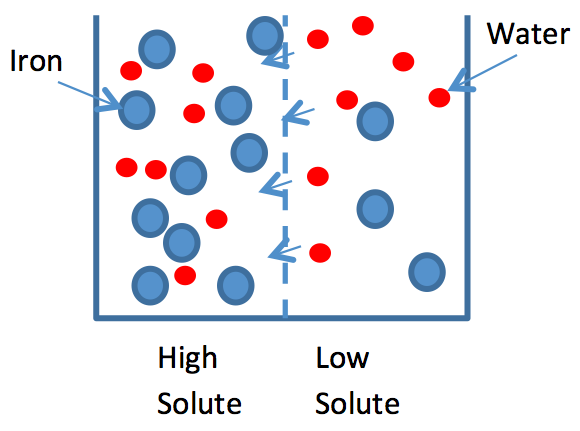
Minerals such as iron are essential for life, but too much of a good thing can be poisonous. Here the authors investigate the effect of iron concentrations on the growth of an aquatic plant and find that supplementing small amounts of iron can help, but adding too much can be bad for the plant. These results should help inform decisions on allowable iron concentrations in the environment, aquatic farming, and even home aquariums.
Read More...Diamagnetic Solutions Show a Significant Reduction in Flow Rate When Exposed to a Magnetic Field Greater Than or Equal to 0.7 Tesla
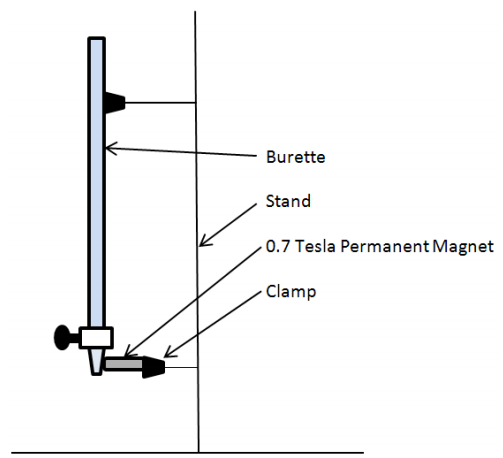
There are complex interactions between water and outside forces such as magnetic fields. This study aims to examine the effects of magnetic forces on the flow rate of water. The alteration of flow rate by magnets could have exciting applications in many fields.
Read More...Canopy complexity and plant morphology determine detectability in multi-perspective drone imagery
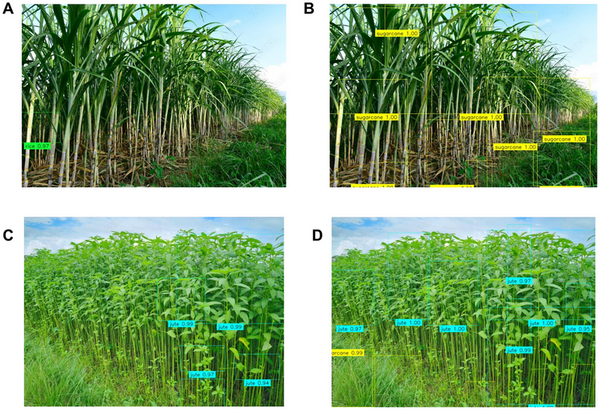
Multi-perspective drone imagery (adding oblique views to top-down shots) raised crop classification accuracy from 35.73% to 52.93% across five species. The improvement scaled with canopy complexity, from +4.2% for simple rice to +38.1% for structurally complex sugarcane.
Read More...Influence of polygon side number on laminar vortex shedding frequency and variability
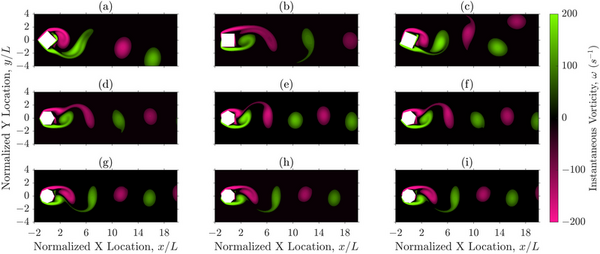
The authors investigated the shedding characteristics of polygons at a Reynolds number of 200.
Read More...An in silico molecular analysis of the antifungal properties of Ageratum conyzoides

This study explores the interaction between precocene II and trichocethecene 3-O-acetyltransferase using molecular docking simulations. Computational analysis identified several potential binding sites on the enzyme surface and predicted favorable ligand-protein interactions involving key residues. These findings provide insight into how precocene II may interact with this enzyme and demonstrate the use of computational approaches to explore potential antifungal mechanisms.
Read More...Analysis of antibiotic resistance genes in publicly accessible Staphylococcus aureus genomes
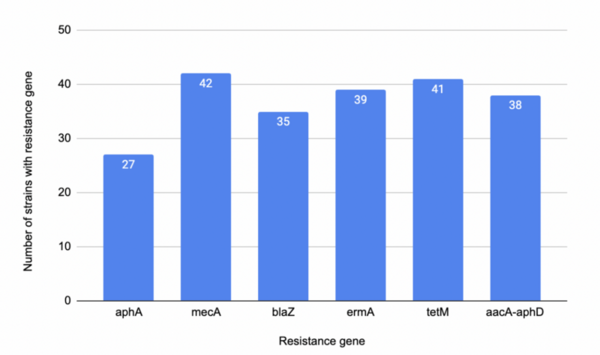
The authors looked at how the presence of difference antibiotic resistance genes would influence antibiotic resistance in Staphylococcus aureus.
Read More...High school students’ perceptions of third-party tracking and personalization

The authors looked at student perception on various situations involving third-party tracking to personalize recommendations.
Read More...Study of neural network parameters in detecting heart disease
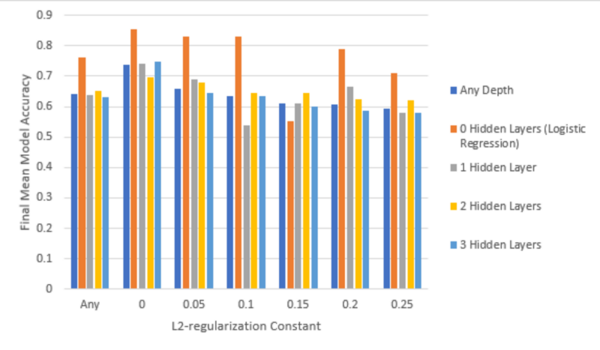
The authors looked at the ability to detect heart disease before the onset of severe clinical symptoms.
Read More...