In this study, the authors investigate whether Moringa Oleifera seeds can serve as material to aid in purifying water. M. oleifera seeds have coagulating properties and the authors hypothesized that including it in a water filtration system would reduce particles, specifically bacteria, in water. Their results show that this system removed the largest percent of bacteria. When used in combination with cilantro, it was actually more efficient than the other techniques! These findings have important implications for creating better and more economical water purification systems.
Read More...Browse Articles
Investigating Lymphocytic Involvement in Minimal Change Nephrotic Syndrome
Minimal Change Disease (MCD) is a degenerative kidney disease. Researchers know very little about the cause of this disorder, however some research has suggested that T lymphocytes may be involved. In this study, the authors measure CD4 and CD8 T cell subpopulations in patients with MCD to investigate whether irregular T lymphocyte populations may be involved in MCD pathogenesis.
Read More...Transcriptional Regulators are Upregulated in the Substantia Nigra of Parkinson’s Disease Patients
This article investigates differences in gene expression in the brains of patients with and without Parkinson's disease. The authors identify a crucial transcriptional regulator may be a relevant target for future therapeutic treatment for Parkinson's disease.
Read More...Exploring a new mechanism controlling thermogenesis of adipose tissue
The effect of other neuroendocrine hormones in the regulation of adipose tissue thermogenesis.
Read More...The effect of nicotine and lead on neuron morphology, function, and ɑ-Synuclein levels in a C. elegans model
E-cigarettes are often considered a healthier alternative to traditional cigarettes. This team of high school authors investigated the impact of common e-cigarette compounds on C. elegans, and found a number of harmful effects ultimately resulting in injury and neuronal damage.
Read More...Uncovering mirror neurons’ molecular identity by single cell transcriptomics and microarray analysis
In this study, the authors use bioinformatic approaches to characterize the mirror neurons, which are active when performing and seeing certain actions. They also investigated whether mirror neuron impairment was connected to neural degenerative diseases and psychiatric disorders.
Read More...Deciphering correlation and causation in risk factors for heart disease with Mendelian randomization
Here, seeking to identify the risk of coronary artery disease (CAD), a major cause of cardiovascular disease, the authors used Mendelian randomization. With this method they identified several traits such as blood pressure readings, LDL cholesterol and BMI as significant risk factors. While other traits were not found to be significant risk factors.
Read More...Effect of environment factors on the expression of soluble PDE8A1 in E. coli
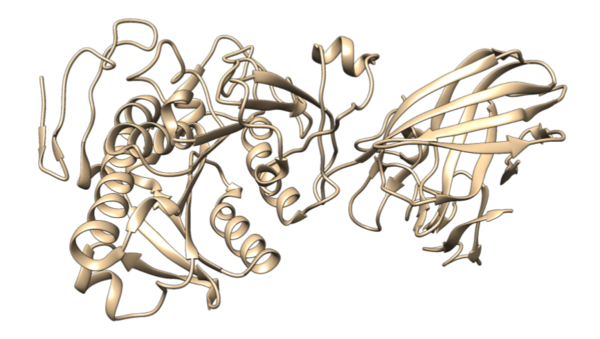
PDE8, a type of phosphodiesterase (PDE), is proven to be crucial in various cellular activities and physiological activities by influencing second messenger systems. It is involved in a wide range of diseases, including Alzheimer’s disease and various heart diseases. However, there is limited information about PDE8 selective inhibitors. This work aimed to improve the solubility and yield of PDE8 in the supernatant by exploring suitable culture conditions, including temperatures and different additives.
Read More...Post-Traumatic Stress Disorder (PTSD) biomarker identification using a deep learning model
In this study, a deep learning model is used to classify post-traumatic stress disorder patients through novel markers to assist in finding candidate biomarkers for the disorder.
Read More...