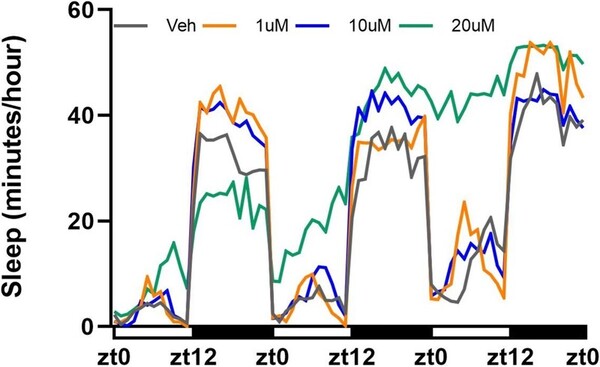
The authors assess the effect of ER stress on sleep quality in fruit flies.
Read More...Dantrolene-induced ER stress alters sleep in Drosophila melanogaster
The effect of nicotine and lead on neuron morphology, function, and ɑ-Synuclein levels in a C. elegans model
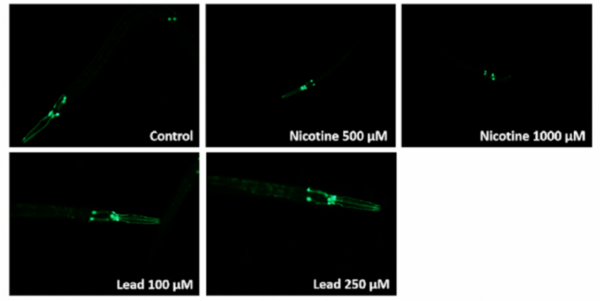
E-cigarettes are often considered a healthier alternative to traditional cigarettes. This team of high school authors investigated the impact of common e-cigarette compounds on C. elegans, and found a number of harmful effects ultimately resulting in injury and neuronal damage.
Read More...Deciphering correlation and causation in risk factors for heart disease with Mendelian randomization
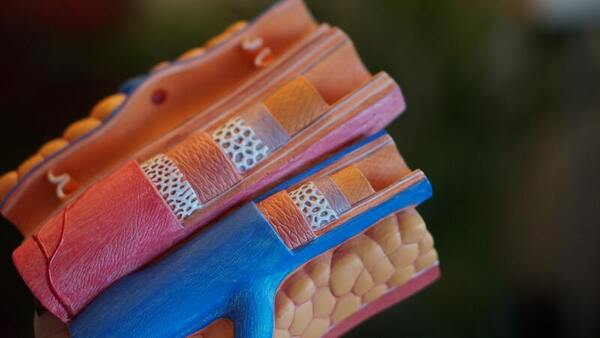
Here, seeking to identify the risk of coronary artery disease (CAD), a major cause of cardiovascular disease, the authors used Mendelian randomization. With this method they identified several traits such as blood pressure readings, LDL cholesterol and BMI as significant risk factors. While other traits were not found to be significant risk factors.
Read More...Investigating auxin import and export proteins in Chlorella vulgaris
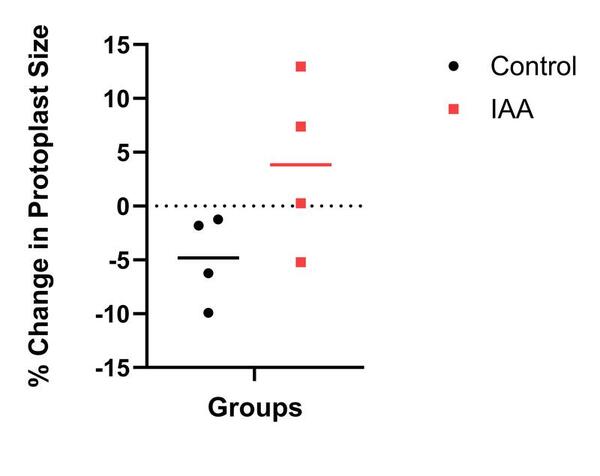
This study explores auxin signaling in Chlorella vulgaris, a green alga with potential for sustainable biofuel and food production. Evidence from protoplast swelling experiments suggests that C. vulgaris secretes auxin and possesses auxin import proteins, highlighting previously uncharacterized signaling pathways. These findings could support more efficient cultivation and resource extraction strategies.
Read More...Molecular Dynamics Simulations of Periplasmic Proteins Interacting With the Peptidoglycan Layer of Escherichia coli
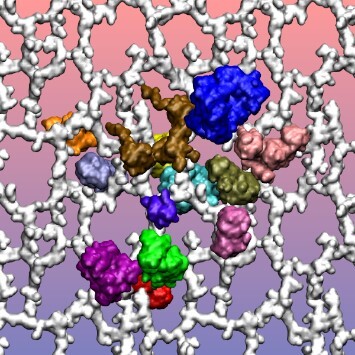
Molecular dynamics (MD) simulations are a great tool to model and study complex biological systems. In this paper, the authors use MD simulations to construct and simulate a model of the periplasmic space, the peptidoglycan layer and its associated proteins, in an Escherichia coli cell.
Read More...Racemic serine is less soluble than pure enantiomers due to stronger intermolecular hydrogen bonds
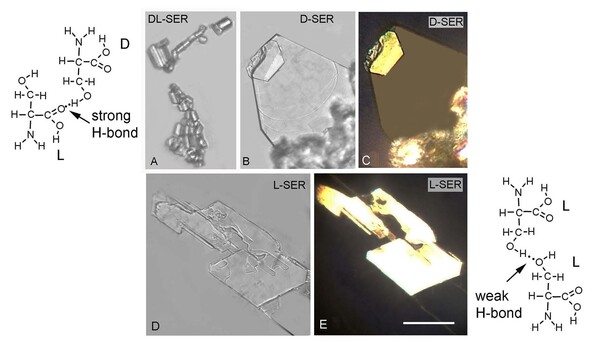
Seeking to develop a better understanding of the chemical and physical properties of amino acids that compose proteins, here the authors investigated the unusual relative insolubility of racemic mixtures of D- and L-serine compared to the solubility of pure D- or L-serine. The authors used a combination of microscopy and temperature measurements alongside previous X-ray diffraction studies to conclude that racemic DL-serine crystals consist of comparatively stronger hydrogen bond interactions compared to crystals of pure enantiomers. These stronger interactions were found to result in the unique release of heat during the crystallization of racemic mixtures.
Read More...Phytoplankton Plastid Proteomics: Cracking Open Diatoms to Understand Plastid Biochemistry Under Iron Limitation
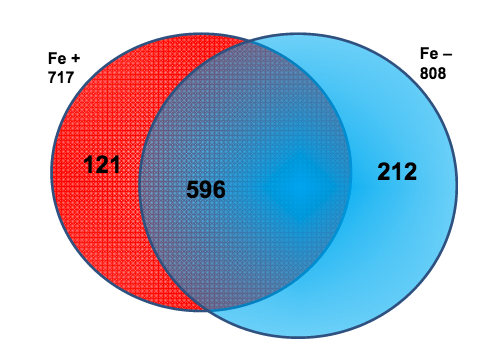
In many areas of the world’s oceans, diatoms such as Thalassiosira pseudonana are limited in growth by the availability of iron (Fe), which is an essential nutrient for diatoms. The authors of this study examined if Fe-limitation makes a significant difference in the proteins expressed within the chloroplast, the power source for diatoms, utilizing a new plastid isolation technique specific to diatoms and completing 14 mass spectrometry experiments.
Read More...Toxicity of aminomethylphosphonic acid via the Wnt signaling pathway as a novel mechanism

The Wnt signaling pathway, known to coordinate important aspects of cellular homeostasis ranging from differentiation, proliferation, migration, and much more, is dysregulated in many human diseases. This study demonstrates that aminomethylphosphonic acid, which is the main metabolite found in the common herbicide Glyphosate, is toxic to planaria and capable of binding to canonical Wnt proteins.
Read More...Development of a Novel Treatment Strategy to Treat Parkinsonian Neurodegeneration by Targeting Both Lewy Body Aggregation and Dopaminergic Neuronal Degradation in a Drosophila melanogaster Model
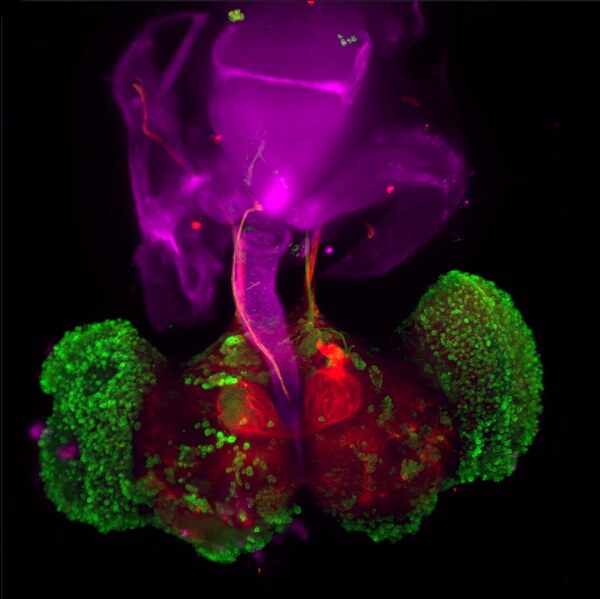
In this article the authors address the complex and life quality-diminishing neurodegenerative disease known as Parkinson's. Although genetic and/or environmental factors contribute to the etiology of the disease, the diagnostic symptoms are the same. By genetically modifying fruit flies to exhibit symptoms of Parkinson's disease, they investigate whether drugs that inhibit mitochondrial calcium uptake or activate the lysosomal degradation of proteins could improve the symptoms of Parkinson's these flies exhibit. The authors report the most promising outcome to be that when both types of drugs were used together. Their data provides encouraging evidence to support further investigation of the utility of such drugs in the treatment of human Parkinson's patients.
Read More...Development of selective RAC1/KLRN inhibitors
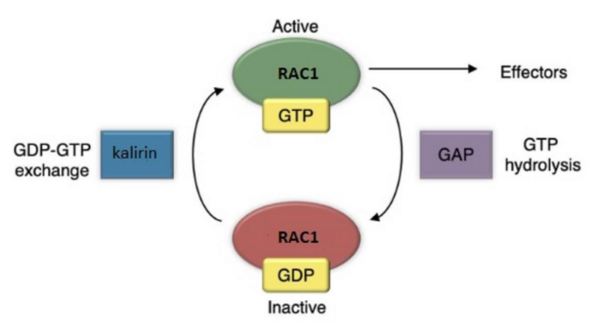
Kalirin is a guanine nucleotide exchange factor (GEF) for the GTPase RAC1, linked to schizophrenia and Alzheimer’s Disease. It plays a crucial role in synaptic plasticity by regulating dendritic spine formation and actin cytoskeleton remodeling, which are essential for creating new synapses. Authors developed two novel compounds targeting kalirin, confirming that predictive modeling can indicate biological activity.
Read More...