The authors looked how different working conditions impacted the microbiome of the human skin.
Read More...Effect of environmental factors on bacterial flora of normal human skin
The authors looked how different working conditions impacted the microbiome of the human skin.
Read More...Upward social comparison on standardized test performance in adolescents and adults
The authors test the effect of test score comparison on the self-efficacy of adolescents versus adults.
Read More...Trust in the use of artificial intelligence technology for treatment planning
As AI becomes more integrated into healthcare, public trust in AI-developed treatment plans remains a concern, especially for emotionally charged health decisions. In a study of 81 community college students, AI-created treatment plans received lower trust ratings compared to physician-developed plans, supporting the hypothesis. The study found no significant differences in AI trust levels across demographic factors, suggesting overall skepticism toward AI-driven healthcare.
Read More...The effects of age on quality of mental health during the COVID-19 pandemic
The impact of age on mental health is a crucial yet understudied aspect of public health. While mental health is gaining recognition as a vital component of overall well-being, its correlation with age remains largely unexplored. In Canada, where the median age has risen significantly over the past half-century, understanding this relationship becomes increasingly pertinent. Researchers hypothesized that older adults would exhibit lower rates of mental health disorders and report better perceived mental health due to increased emotional stability and maturity.
Read More...Testing Simarouba amara’s therapeutic effects against weedicide-induced tumor-like morphology in planarians
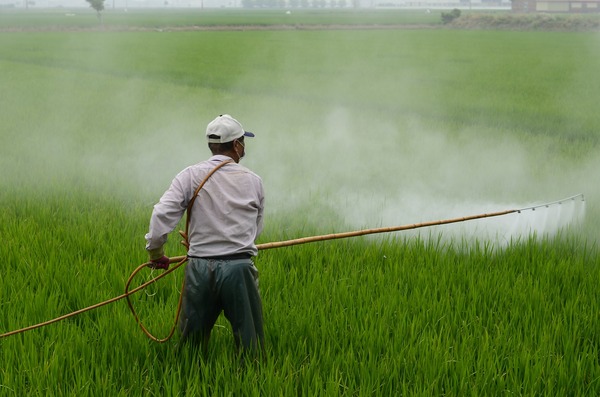
According to the World Health Organization, cancer is a leading cause of death globally. The disease’s prevalence is rapidly increasing in association with factors including the increased use of pesticides and herbicides, such as glyphosate, which is one of the most widely used herbicide ingredients. Natural antioxidants and phytochemicals are being tested as anti-cancer agents due to their antiproliferative, antioxidative, and pro-apoptotic properties. Thus, we aimed to investigate the potential role of S. amara extract as a therapeutic agent against glyphosate-induced toxicity and tumor-like morphologies in regenerating and homeostatic planaria (Dugesia dorotocephala).
Read More...Investigating Lemna minor and microorganisms for the phytoremediation of nanosilver and microplastics
The authors looked at phytoremediation, the process by which plants are used to remove pollutants from our environment, and the ability of Lemna minor to perform phytoremediation in various simulated polluted environments. The authors found that L. minor could remove pollutants from the environment and that the addition of bacteria increased this removal.
Read More...Battling cultural bias within hate speech detection: An experimental correlation analysis
The authors develop a new method for training machine learning algorithms to differentiate between hate speech and cultural speech in online platforms.
Read More...Impact of carbon number and atom number on cc-pVTZ Hartree-Fock Energy and program runtime of alkanes
It's time-consuming to complete the calculations that are used to study nuclear reactions and energy. To uncover which computational chemistry tools are useful for this challenge, Pan, Vaiyakarnam, Li, and McMahan investigated whether the Python-based Simulations of Chemistry Framework’s Hartree-Fock (PySCF) method is an efficient and accurate way to assess alkane molecules.
Read More...Inhibitory effects of captan on growth of Escherichia coli and Bacillus coagulans
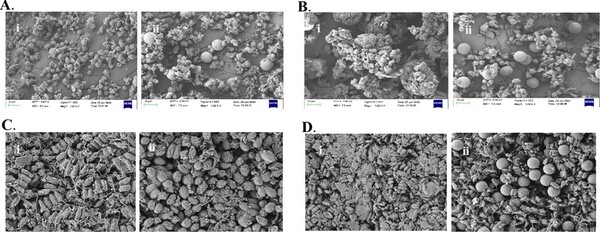
The authors test the effects of the pesticide captan on the growth of gut microbiome bacteria including Bacillus coagulan and Escherichia coli.
Read More...A comparison of the water quality between Chinatown and Bayside: two demographically different regions
The authors looked at differences in water quality between Chinatown and Bayside. They wanted to look at the racial and economic demographics of each region and how that correlated to access to clean drinking water. Ultimately they did not find any significant differences in water quality, but identified important future directions for this work.
Read More...