The authors investigated an important parasite-host relationship between the raccoon roundworm and the raccoon to understand how parasite prevalence is affected by location. They found that the parasite infection was more prevalent in raccoons found closer to human dwellings, though the number of roundworm eggs was not significantly different. These results are important human health, since roundworm infection is lethal to humans and can be transmitted from raccoons to humans - the authors suggest that more research into this parasite and awareness of its prevalence is needed to prevent disease.
In recent years, usage of interactive electronic devices such as computers, smartphones, and tablets has increased dramatically. Many studies have examined the potential adverse effects of excessive usage of such devices on children and adolescents, but the effects on adults are not well understood. In this study, the authors examined the relationship between adult usage of interactive electronic devices and a variety of clinical measures of psychological well-being. They found that according to some metrics, higher usage of interactive electronic devices is associated with several adverse psychological outcomes, suggesting a need for more careful consideration of such usage patterns in clinical settings.
Here, recognizing that alcohol manufacturers may target ethnic minorities and youths with specific forms of advertisements based on previous studies, the authors considered how alcohol storefronts differ depending on the community they are located in. Specifically, they looked at differences between Metro-Dtroit suburban communities of high- and low-incomes. They found that alcohol stores in the low-income areas had more and larger alcohol and malt liquor advertisements per store along with being within 1,000 feet of a school.
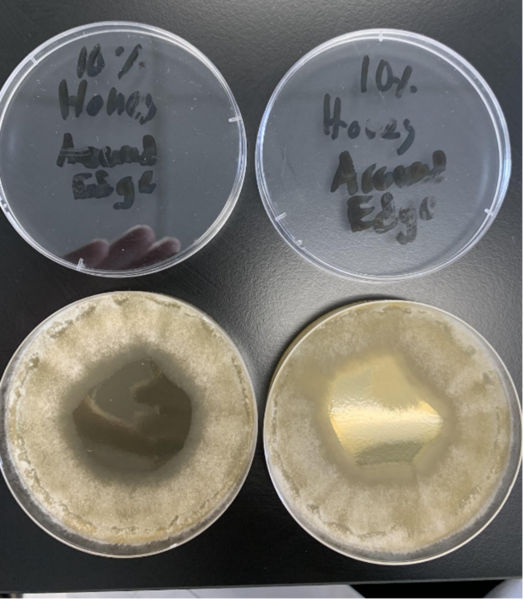
Rhizopus stolonifer is a mold commonly found growing on bread that can cause many negative health effects when consumed. Preservatives are the well-known answer to this problem; however, many preservatives are not naturally found in food, and some have negative health effects of their own. We focused on honey as a possible solution because of its natural origin and self-preservation ability. We hypothesized that honey would decrease the growth rate of R. stolonifer . We evaluated the honey with a zone of inhibition (ZOI) test on agar plates. Sabouraud dextrose agar was mixed with differing volumes of honey to generate concentrations between 10.0% and 30.0%. These plates were then inoculated with a solution of spores collected from the mold. The ZOI was measured to determine antifungal effectiveness. A statistically significant difference was found between the means of all concentrations except for 20.0% and 22.5%. Our findings support the hypothesis as we showed a positive correlation between the honey concentration and growth rate of mold. By using this data, progress could be made on an all-natural, honey-based preservative.
Autism spectrum disorder (ASD) is hard to correctly diagnose due to the very subjective nature of diagnosing it: behavior analysis. Due to this issue, we sought to find a machine learning-based method that diagnoses ASD without behavior analysis or helps reduce misdiagnosis.
Here, based on the identified importance of physical activity in the development of young children, the authors investigated the effects of socioeconomic factors on the amount of physical activity of government-school children in India. They found significant differences between boys and girls, rural and urban, and children who were encouraged to exercise and those who were not. Overall, they suggest that their findings point to the important role of schools and communities in promoting healthy active lifestyles for developing children.
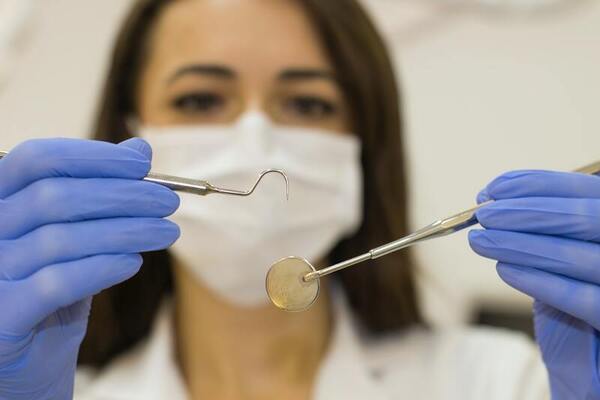
Because of the COVID-19 pandemic, people are missing important appointments because they are viewed as nonessential, possibly including children's pediatric dentist appointments. This study aims to determine how the COVID-19 pandemic has effected parents' willingness to allow children to visit pediatric dental practices and what safety measures would make them feel more comfortable visiting the dentist. The authors found a weak positive correlation between parents' unwillingness to allow their child to visit the dentist, however overall anxiety towards visiting the dentist during the pandemic was low.
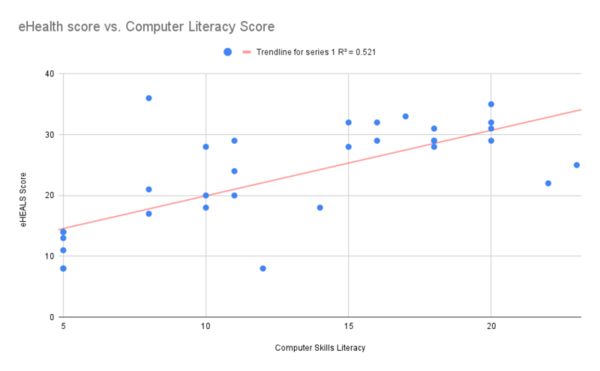
As digital tools become more prevalent in medicine, the ability for individuals to understand and take actions based on what they read on the internet is crucial. eHealth literacy is defined as as the ability to seek, find, understand, and evaluate health information from electronic sources and apply the knowledge gained to addressing or solving a health problem. In general, Americans have low eHealth literacy rates. However, limited research has been conducted to understand the eHealth literacy level among older Chinese adult immigrants in the U.S. To determine the eHealth literacy of elderly Chinese immigrants, we sent out an eHealth survey and relevant computer skills survey using a modified version of the eHEALS (eHealth Literacy Scale) health literacy test. We hypothesized that elders who consumed more electronic health content would have a higher eHealth literacy score. The results of this survey showed that there was a positive correlation between the frequency of electronic health information consumption and the participant's eHealth literacy rate. In addition, the results of our computer literacy test show that the frequency of consumption and computer literacy are positively correlated as well. There is a strong positive correlation between the level of computer skills and eHealth literacy of participants. These results reveal possible steps individuals can take to reduce health misinformation and improve their own health by attaining, understanding, and taking action on health material on the internet.
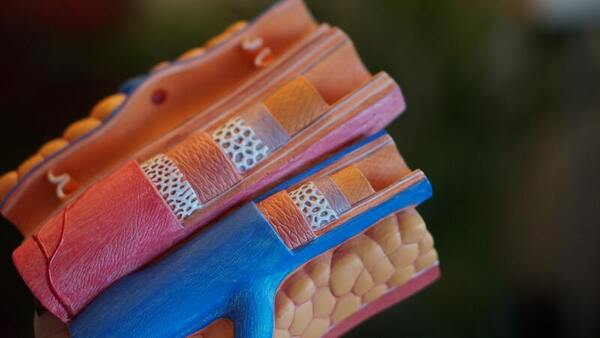
Here, seeking to identify the risk of coronary artery disease (CAD), a major cause of cardiovascular disease, the authors used Mendelian randomization. With this method they identified several traits such as blood pressure readings, LDL cholesterol and BMI as significant risk factors. While other traits were not found to be significant risk factors.
_(1).jpg)


.png)