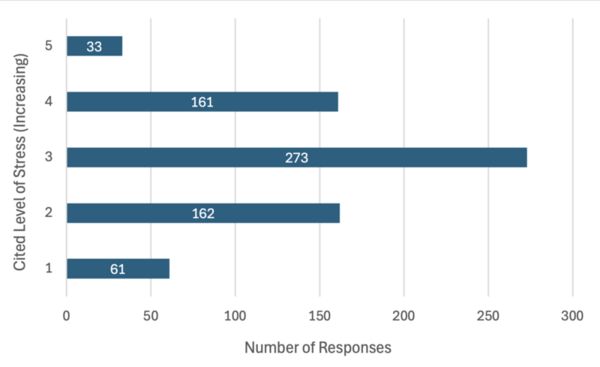
The authors evaluated the effectiveness of common stress-relief strategies used by high schoolers.
Read More...Evaluating stress-relieving methods of high school students
The authors evaluated the effectiveness of common stress-relief strategies used by high schoolers.
Read More...A study of Syrian students' migration motivations, destinations, and return intentions in a time of crisis

This study investigates the migration intentions of Syrian high school and university students amid ongoing conflict and economic instability. Drawing on survey data, the research examines how academic stage influences migration motivations, preferred destinations, and return intentions. The findings reveal a widespread desire to emigrate, driven by educational, economic, and security concerns, highlighting significant implications for Syria’s future workforce and post-conflict recovery.
Read More...High school students’ perceptions of third-party tracking and personalization
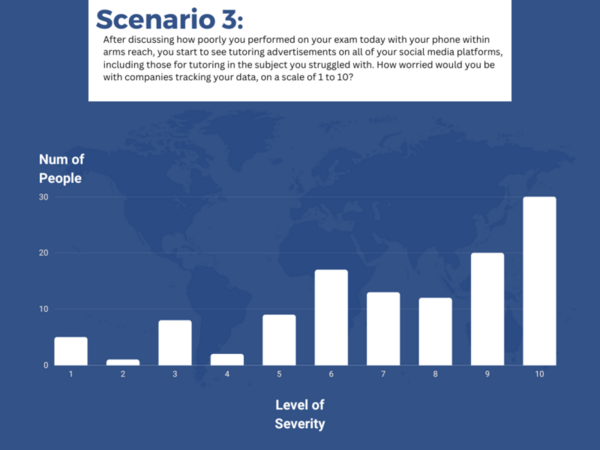
The authors looked at student perception on various situations involving third-party tracking to personalize recommendations.
Read More...Identifying anxiety and burnout from students facial expressions and demographics using machine learning
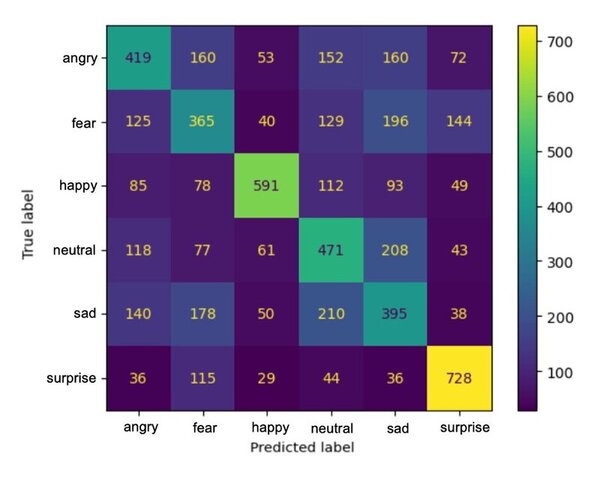
The authors used machine learning to predict the presence of anxiety and burnout in students based on facial expressions and demographic information.
Read More...High school students show some reluctance to COVID-19 guidelines
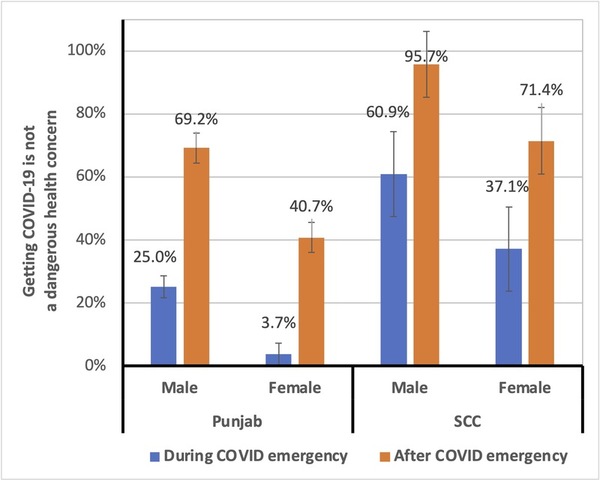
COVID-19 has officially been downgraded from the status of a global health emergency, but have COVID-19 safety practices become a new way of life for students? The authors collected survey data on COVID-19-related knowledge and behaviors of high-school students in Punjab, Pakistan and Santa Clara County, California, USA, so see where high-schoolers stand on pandemic safety today.
Read More...High school students’ attitudes towards diverse cultures and ethnicities
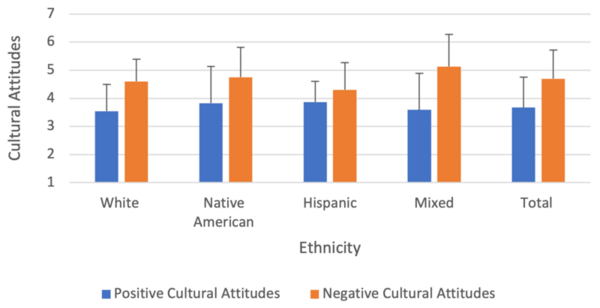
The authors looked at how a student's own background influence their attitude towards integration of diverse cultures and ethnicities. While overall students viewed other groups positively, the authors found that groups still indicated they felt judged by their peers.
Read More...Anonymity Reduces Generosity in High School Students
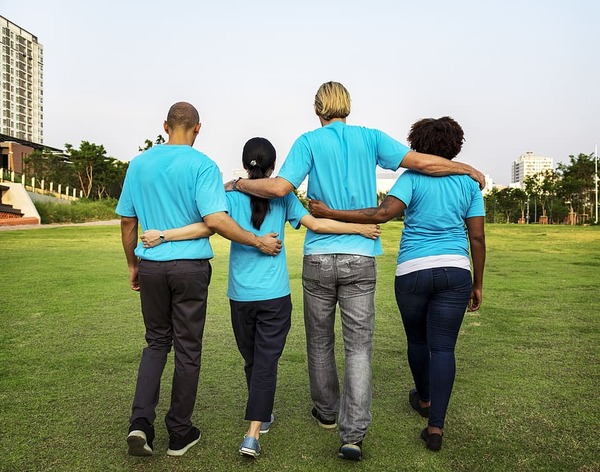
The disinterested willingness a person has for helping others is known as altruism. But is this willingness to help others dependent on external factors that make you more or less inclined to be generous? We hypothesized that generosity in adolescents would depend on external factors and that these factors would change the amount of help given. To evaluate altruism and generosity, we conducted non-anonymous and anonymous variations of the dictator game and ultimatum game experiments and explored the role of anonymity, fairness, and reciprocity in high school students.
Read More...Therapy dogs effectively reduce stress in college preparatory students
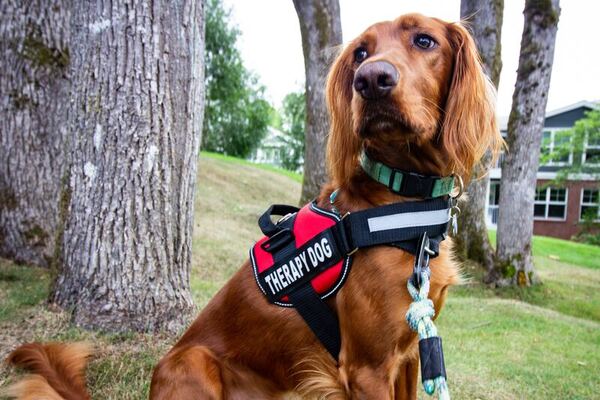
In this article the authors looked at the effect of spending time with a therapy dog before and after stressful events. They found that interacting with a therapy before a stressful event showed more significant reduction in signs of stress compared to interacting with a therapy dog after stressful events have already occurred.
Read More...Associations between substance misuse, social factors, depression, and anxiety among college students

Here, the authors considered the effects of relationship status and substance use on the mental health of colleges students, where they specifically examined their correlation with depression, anxiety, and the fear of missing out (FoMO). Through a survey of college students they found that those with higher substance misuse had higher levels of anxiety, depression, and FoMO, while those involved in longer-term relationships had lower levels of FoMo and alcohol use.
Read More...Impact of study partner status and group membership on commitment device effectiveness among college students

Here seeking to identify a possible solution to procrastination among college students, the authors used an online experiment that involved the random assignment of study partners that they shared their study time goal with. These partners were classified by status and group membership. The authors found that status and group membership did not significantly affect the likelihood of college students achieving their committed goals, and also suggest the potential of soft commitment devices that take advantage of social relationships to reduce procrastination.
Read More...