Browse Articles

Correlation of socioeconomic status and lead concentration in tap water in Missouri

Rabbani et al. | Feb 03, 2022

Correlation of socioeconomic status and lead concentration in tap water in Missouri

Organic and non-organic contaminants in tap water have been linked to adverse health effects. Tap water is a major source of lead, which is neurotoxic and poses a major health risk, particularly to children and pregnant women. Using publicly available annual water quality reports data for the state of Missouri, the authors show that communities with lower median household income and lower per capita incomes had significantly higher lead levels in their tap water.

Read More...
Income mobility and government spending in the United States

Datta et al. | Nov 04, 2023

Income mobility and government spending in the United States
Image credit: CDC via Unsplash

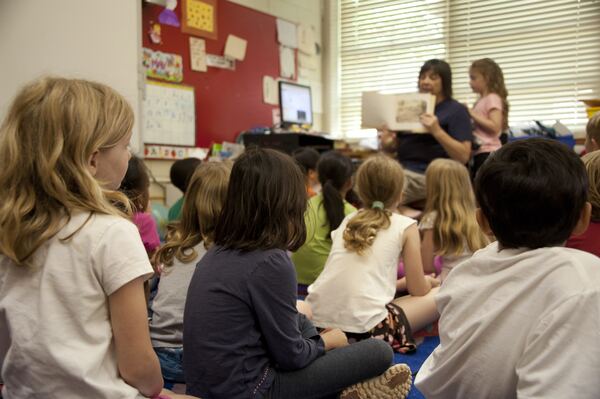
Recent research suggests that the "American Dream" of income mobility may be becoming increasingly hard to obtain. Datta and Schmitz explore the role of government spending in socioeconomic opportunity by determining which state government spending components are associated with increased income mobility.

Read More...

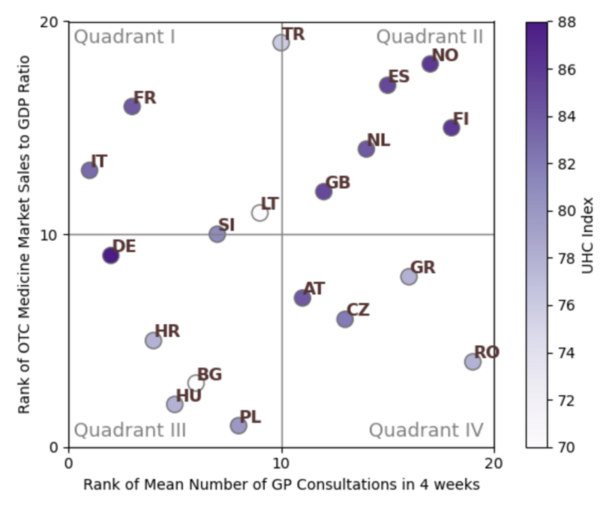
Country-level relationship of OTC medicine consumption and frequency of GP consultation

Hirai et al. | Dec 09, 2024

Country-level relationship of OTC medicine consumption and frequency of GP consultation

The discussion surrounding self-medication with non-prescription medicines has gained significance in healthcare and public health, particularly given the global increase in consumption of non-prescription drugs. This study aimed to examine the association between the frequency of general practitioner (GP) consultations and the proportion of economic resources spent on OTC medicine.

Read More...

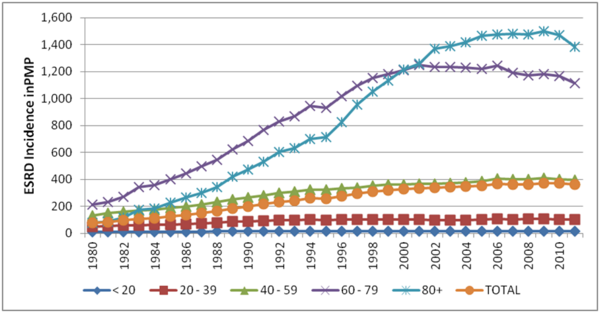
A Retrospective Study of Research Data on End Stage Renal Disease

Ponnaluri et al. | Mar 09, 2016

A Retrospective Study of Research Data on End Stage Renal Disease

End Stage Renal Disease (ESRD) is a growing health concern in the United States. The authors of this study present a study of ESRD incidence over a 32-year period, providing an in-depth look at the contributions of age, race, gender, and underlying medical factors to this disease.

Read More...

Predicting baseball pitcher efficacy using physical pitch characteristics

Oberoi et al. | Jan 11, 2024

Predicting baseball pitcher efficacy using physical pitch characteristics
Image credit: Antoine Schibler

Here, the authors sought to develop a new metric to evaluate the efficacy of baseball pitchers using machine learning models. They found that the frequency of balls, was the most predictive feature for their walks/hits allowed per inning (WHIP) metric. While their machine learning models did not identify a defining trait, such as high velocity, spin rate, or types of pitches, they found that consistently pitching within the strike zone resulted in significantly lower WHIPs.

Read More...

Thermoelectric Power Generation: Harnessing Solar Thermal Energy to Power an Air Conditioner

Lew et al. | Jul 06, 2021

Thermoelectric Power Generation: Harnessing Solar Thermal Energy to Power an Air Conditioner

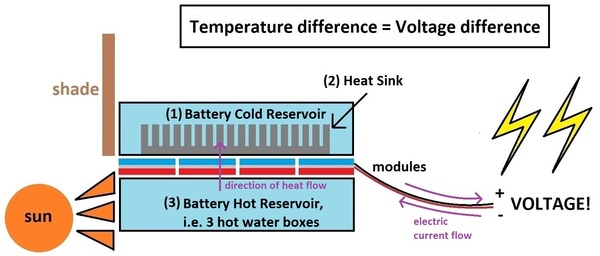
The authors test the feasibility of using thermoelectric modules as a power source and as an air conditioner to decrease reliance on fossil fuels. The results showed that, at its peak, their battery generated 27% more power – in watts per square inch – than a solar panel, and the thermoelectric air conditioner operated despite an unsteady input voltage. The battery has incredible potential, especially if its peak power output can be maintained.

Read More...

Characterization of antibacterial properties of common spices

Gehad et al. | Oct 03, 2020

Characterization of antibacterial properties of common spices

Bacterial infection is resurging as one of the most dangerous challenges facing the medical establishment. Americans spend about 55 to 70 billion dollars per year on antibiotics, yet these antibiotics are becoming increasingly ineffective as illness-causing bacteria gain resistance to the prescribed drugs. We tested if 11 commonly-used spices could inhibit growth of the gram-negative bacteria, E. coli, the main takeaway from these experiments is that certain spices and herbs have antibacterial effects that inhibit growth of E.coli , and these spices could show similarly promising activity towards other bacteria.

Read More...