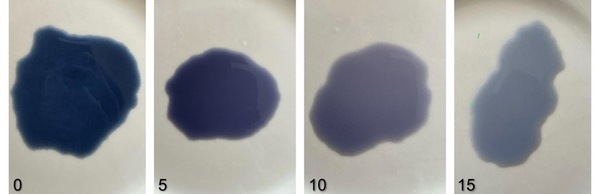
α-amylase breaks down starch into glucose, which can cause blood sugar spikes and increase the risk of type II diabetes. This study tested natural extracts from cassia cinnamon and green tea as alternatives to synthetic inhibitors like acarbose, which can be costly and cause side effects.
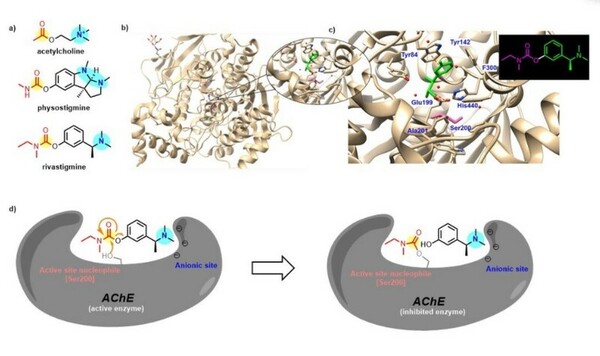
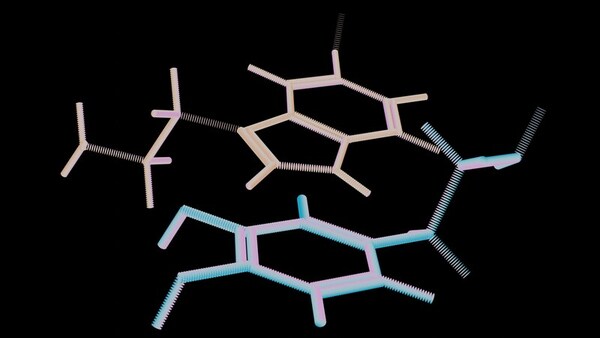
Naturally occurring neuroactive alkaloids are often studied for their potential to treat Neurological diseases. This team of students study Rivastigmine, a potent cholinesterase inhibitor that is a synthetic analog of physostigmine, which comes from the Calabar bean plant Physostigma venenosum. By comparing the effects of optimized synthetic analogs to the naturally occurring alkaloid, they determine the most favorable analog for inhibition of acetylcholinesterase (AChE), the enzyme that breaks down the neurotransmitter acetylcholine (ACh) to terminate neuronal transmission and signaling between synapses.
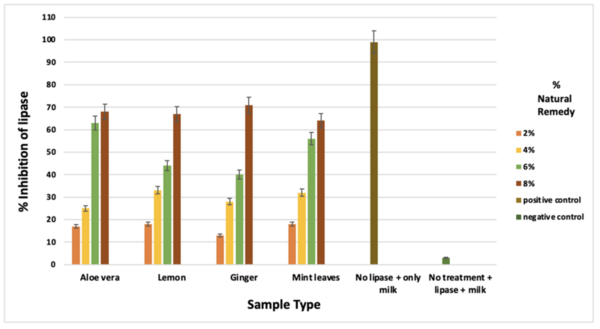
Enzymes that metabolize carbohydrates and lipids play a key role in our health, including global health challenges like cardiovascular diseases and diabetes. To learn more about these important enzymes, Gandhi and Gandhi test whether various natural substances (ginger, Aloe vera, lemon, and mint leaves) affect the activity of α-amylase and lipase enzymes.
Enzyme chemotaxis is a thermodynamic phenomenon in which enzymes move along a substrate concentration gradient towards regions with higher substrate concentrations and can be used to steer nanovehicles towards targets along natural substrate concentrations. In patients with Alzheimer’s disease, a gradient of tau protein forms in the bloodstream. Tau protein is a substrate of the enzyme CDK5, which catalyzes the phosphorylation of tau protein and can travel using chemotaxis along tau protein gradients to increasing concentrations of tau and amyloid-beta proteins. The authors hypothesized that CDK5 would be able to overcome these barriers of Brownian motion and developed a quantitative model using Michaelis-Menten kinetics to define the necessary parameters to confirm and characterize CDK5’s chemotactic behavior to establish its utility in drug delivery and other applications.
Here the authors performed a comparative analysis to investigate the viability of using PLAY® instead of fetal bovine serum (FBS) as a growth medium to culture cells with an enzyme-linked immunosorbent assay.
Acquired drug resistance is an increasing challenge in treating cancer with chemotherapy. One mechanism
behind this resistance is the increased inflammation that supports the progression and development of
cancer that arises because of the drug’s presence. Integrative oncology is the field that focuses on including natural products alongside traditional therapy to create a treatment that focuses on holistic patient well-being.
In this study, the authors demonstrate that the use of an herbal formulation, consisting of turmeric and green tea, alongside a traditional chemotherapeutic drug, 5-fluorouracil (FU) significantly decreases the level of cytokines produced in breast cancer cells when compared to the levels produced when exposed solely to the chemo drug. The authors conclude that this combination of treatment, based on the principle of integrative oncology, shows potential for reducing the resistance against treatment conferred through increased inflammation. Consequently, this suggests a prospective way forward in improving the efficacy of cancer treatment.
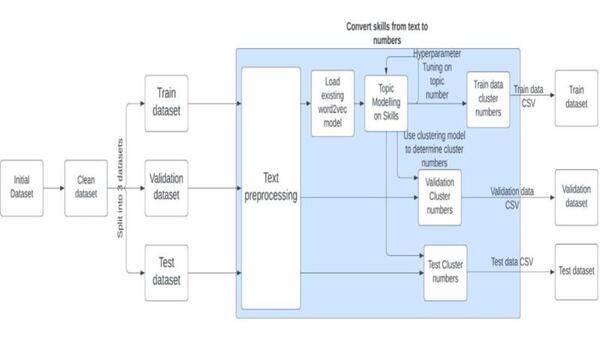
The authors looked at using machine learning to identify skills needed to apply for certain jobs, specifically looking at different techniques to parse apart the text. They found that Bidirectional Encoder Representation of Transforms (BERT) performed best.
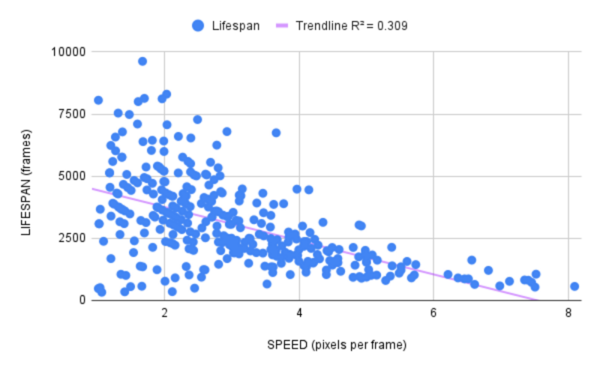
Natural selection shapes the evolution of all organisms, and one question of interest is whether natural selection will reach a "stopping point": a stable, ideal, value for any particular trait. Madhan and Kanagavel tackle this question by building a computer simulation of trait evolution in organisms.
Here the authors investigated the natural recovery of stress-induced dopamine-related gene deficits in C. elegans by measuring the expression of cat-2 (dopamine biosynthesis) and sod-2 (oxidative stress) following exposure to starvation or hydrocortisone. They found that the reversibility of sod-2 and the expression of cat-2 were highly dependent on the type and severity of the stressor, suggesting that the body's natural ability to recover from dopamine dysfunction has biological limitations.
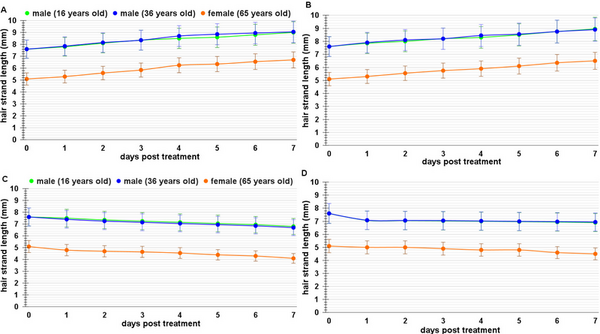
We are looking into natural ways to help hair grow better and stronger by studying keratin synthesis in human hair follicles. The reason for conducting this research was to have the ability to control hair growth through future innovations. We wanted to answer the question: How can we find natural ways to enhance hair growth by understanding the connection with natural resources, particularly keratin dynamics? The main focus of this experiment is understanding the promotion of keratin synthesis within human hair follicles, which is important for hair development and health. While keratin is essential for the growth and strength of body tissues, including skin and hair, our research hints at its specific synthesis within hair follicles. In our research utilizing castor oil, coconut oil, a turmeric and baking soda mixture, and a sugar, honey, and lemon mixture, we hypothesize that oils, specifically coconut oil and castor oil, will enhance keratin synthesis, whereas mixtures, such as the turmeric and baking soda mixture and the sugar, honey, and lemon mixture, will result in a decrease keratin synthesis. The methods used show how different natural substances influence keratin formation within the hair follicles. The experiment involved applying natural resources to hair strands and follicles, measuring their length under the microscope daily, and assessing their health and characteristics over seven days. In summary, our research helps us understand how hair grows better. We found that using natural items like essential oils effectively alters keratin growth within the hair follicles and hair strands.