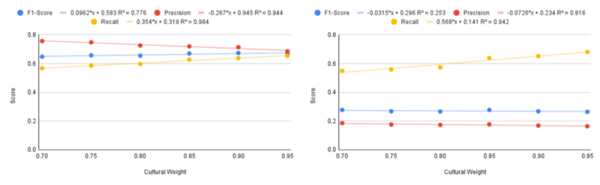
The authors develop a new method for training machine learning algorithms to differentiate between hate speech and cultural speech in online platforms.
Read More...Battling cultural bias within hate speech detection: An experimental correlation analysis
The authors develop a new method for training machine learning algorithms to differentiate between hate speech and cultural speech in online platforms.
Read More...Investigating the connection between free word association and demographics

Utilization of neural network to analyze Free Word Association to predict accurately age, gender, first language, and current country.
Read More...A cross-cultural analysis of consumer behavior and payment preferences: Insights from India and the United Arab Emirates
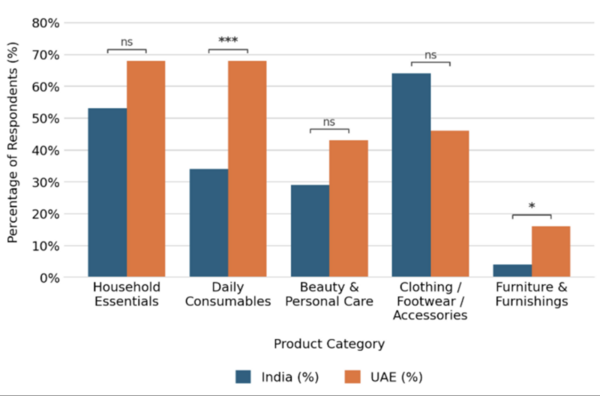
Consumers in India and the United Arab Emirates live in very different economic and cultural environments, and this study set out to measure how that shapes the way they shop and pay. Surveying 50 people in each country, they found that Indian consumers were more price-sensitive and favored cash, while UAE consumers prioritized convenience, gravitating toward credit cards, mobile wallets, and online shopping. The results offer practical insight for retailers, marketers, and policymakers working across these two fast-growing but culturally distinct markets.
Read More...Investigating cross-cultural emotional responses to world music under simulated hearing loss
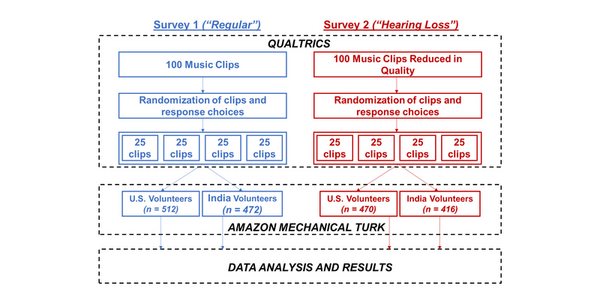
The authors survey how emotional responses to music differ across cultures and the impact of hearing loss on these emotional responses.
Read More...Are Asian foods healthier than Western foods: Evidence collected from St. Louis area grocery stores
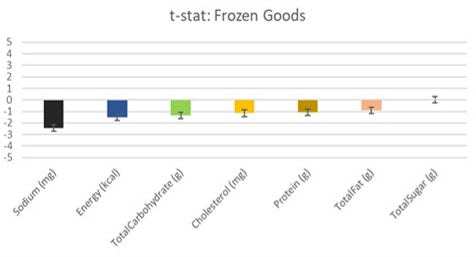
The authors compare nutritional content of foods found in Western versus Asian grocery stores to determine whether one cultural diet is healthier than the other.
Read More...The impact of culturally informed music therapy on visually impaired youth: A Jaffna, Sri Lanka study

The authors looked at the effect of music therapy on visually impaired youth. They found that culturally relevant curricula is an important consideration while also showing that broadly music therapy enhances working memory, emotional well-being and inhibitory control.
Read More...Do perceptions of beauty differ based on rates of racism, ethnicity, and ethnic generation?
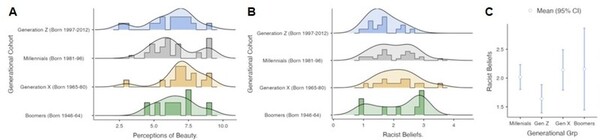
The authors examine the relationships between race, racist beliefs, and perceptions of beauty across cultures and generations.
Read More...Exploring the Factors that Drive Coffee Ratings
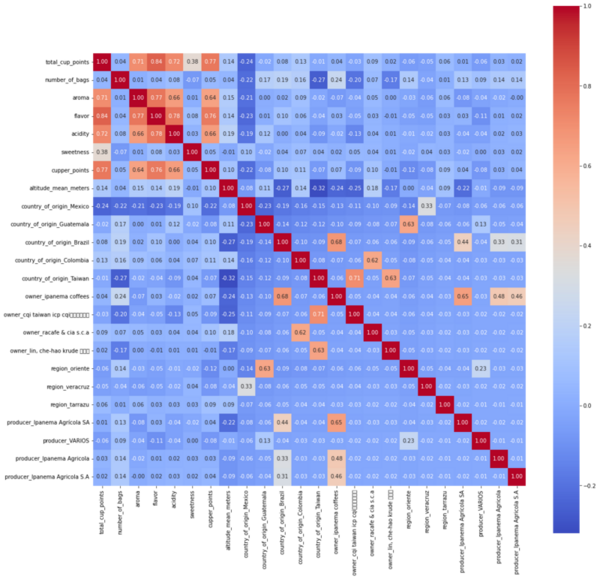
This study explores the factors that influence coffee quality ratings using data from the Coffee Quality Institute. Through a regression model based on gradient descent, the authors aimed to predict coffee ratings (total cup points) and hypothesized that sweetness and the coffee producer would be the most influential factors.
Read More...Changes in Aromanian language use and the Aromanian ethnolinguistic group’s reaction to decline

The Aromanian language and culture is quickly declining towards extinction. In this new research article, Ganea and Lascu provide evidence that, although the use of the Aromanian language is less prevalent among younger individuals, participants overwhelming support the preservation of Aromanian language and culture.
Read More...Physical Appearance and Its Effect on Trust
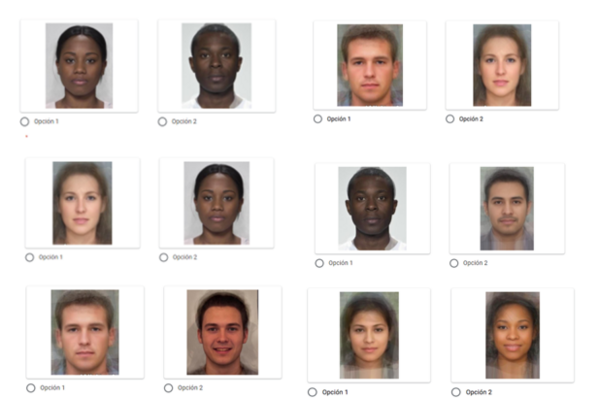
Do different physical traits affect teenagers’ initial trust of an unknown person? Would they give greater trust to women and people of similar ethnicity? To test these hypotheses, the authors developed a survey to determine the sets of physical characteristics that affect a person's trustworthiness. They found that gender and expression were the main physical traits associated with how trustworthy an individual looks, while ethnicity was also important.
Read More...