Browse Articles

The characterization of quorum sensing trajectories of Vibrio fischeri using longitudinal data analytics

Abdel-Azim et al. | Dec 16, 2023

The characterization of quorum sensing trajectories of <i>Vibrio fischeri</i> using longitudinal data analytics

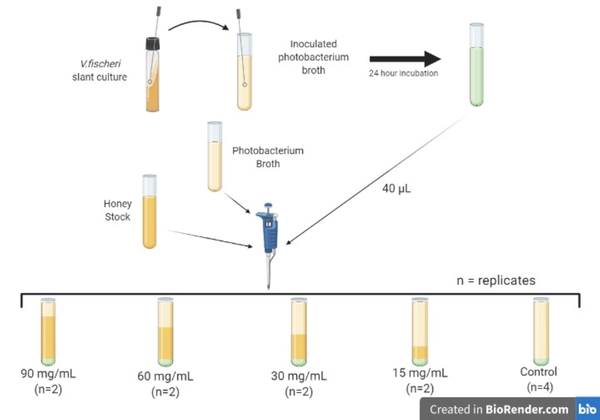
Quorum sensing (QS) is the process in which bacteria recognize and respond to the surrounding cell density, and it can be inhibited by certain antimicrobial substances. This study showed that illumination intensity data is insufficient for evaluating QS activity without proper statistical modeling. It concluded that modeling illumination intensity through time provides a more accurate evaluation of QS activity than conventional cross-sectional analysis.

Read More...
Investigating toxicity and antimicrobial properties of silver nanoparticles in Escherichia coli and Drosophila melanogaster

Ghosh et al. | Dec 01, 2025

Investigating toxicity and antimicrobial properties of silver nanoparticles in <em>Escherichia coli</em> and <em>Drosophila melanogaster</em>
Image credit: Ghosh and Hendricks

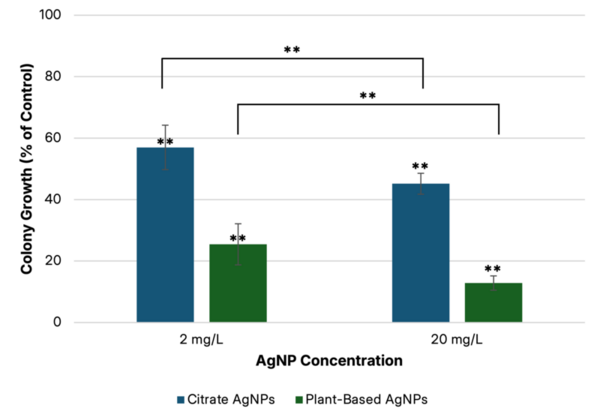
This paper looks at the antibacterial and toxic effects of silver nanoparticles (AgNPs) on Escherichia coli bacteria and Drosophila melanogaster fruit flies. They modified the AgNPs size, concentration, and surface coating to determine the effects on each of the organisms. For both organisms, increased AgNP concentration demonstrated increased toxicity but particle size and surface coating had opposing effects.

Read More...

The effect of bioenhancers on ampicillin-sulbactam as a treatment against A. baumannii

Balaji et al. | Sep 21, 2024

The effect of bioenhancers on ampicillin-sulbactam as a treatment against <i>A. baumannii<i>

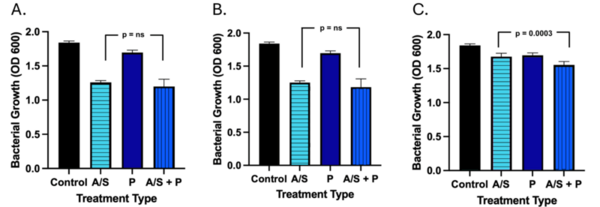
This article explores the potential of piperine, a bioenhancer from black pepper, to improve antibiotic efficacy against antibiotic-resistant Acinetobacter baumannii. By combining piperine with ampicillin-sulbactam, the study demonstrated a significant reduction in bacterial growth for most strains tested, showcasing the promise of bioenhancers in combating resistant pathogens. This research highlights the possibility of reducing the required antibiotic dosage, potentially offering a new strategy in the fight against drug-resistant bacteria.

Read More...

Are alkaline spices the future of antibiotics?

Jani et al. | Jan 23, 2022

Are alkaline spices the future of antibiotics?

The authors experimented with several commonly available alkaline spices (turmeric, cayenne pepper, and cinnamon) to study their antimicrobial properties, hypothesizing that alkaline spices would have antimicrobial activity. Results showed a zone of inhibition of bacterial growth, with the largest zone of inhibition being around turmeric, followed by cayenne pepper, and the smallest around cinnamon. These results are impactful, as common alkaline spices generally do show antibacterial properties and both bacteriostatic and bactericidal effects correlated with degree of alkalinity.

Read More...

The effects of stress on the bacterial community associated with the sea anemone Diadumene lineata

Cahill et al. | Feb 15, 2021

The effects of stress on the bacterial community associated with the sea anemone Diadumene lineata

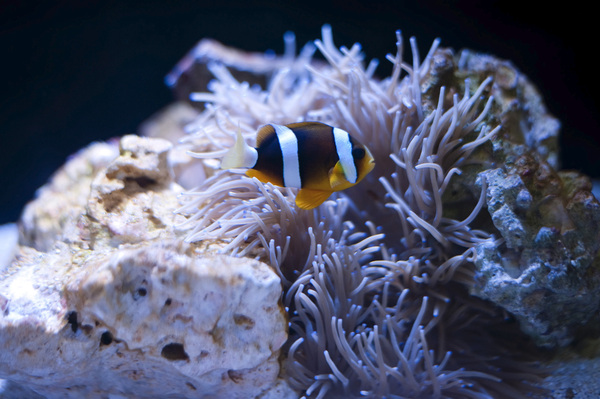
In healthy ecosystems, organisms interact in a relationship that helps maintain one another's existence. Stress can disrupt this interaction, compromising the survival of some of the members of such relationships. Here, the authors investigate the effect of stress on the interaction between anemones and their microbiome. Their study suggests that stress changes the composition of the surface microbiome of the anemone D. lineata, which is accompanied by an increase in mucus secretion. Future research into the composition of this stress-induced mucus might reveal useful antimicrobial properties.

Read More...

Antimicrobial properties of common household spices on microbes cultured from two kitchen locations

Carroll et al. | May 12, 2022

Antimicrobial properties of common household spices on microbes cultured from two kitchen locations

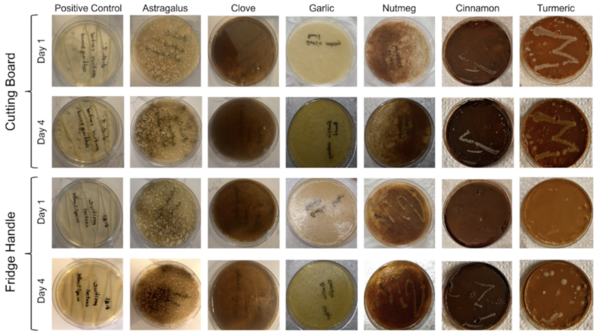
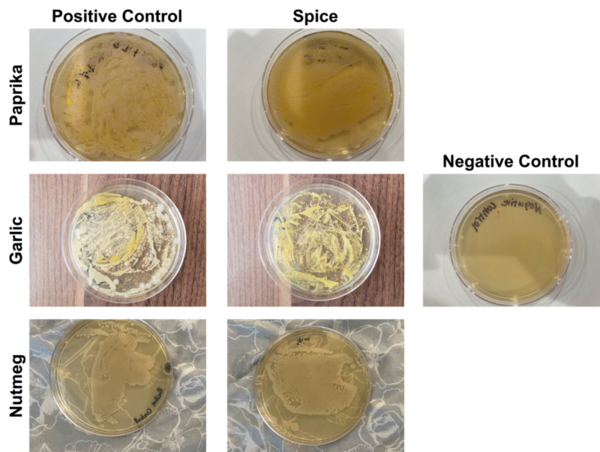
The number of bacterial infections in humans is rising, and a major contributor is foodborne illnesses, which affect a large portion of the population and result in many hospitalizations and deaths. Common household cleaners are an effective strategy to combat foodborne illness, but they are often costly and contain harmful chemicals. Thus, the authors sought to test the antimicrobial effectiveness of spices (clove, nutmeg, astragalus, cinnamon, turmeric, and garlic) on microbes cultured from refrigerator handles and cutting boards. Results from this study demonstrate long-lasting, antimicrobial effects of multiple spices that support their use as alternatives to common household cleaners.

Read More...

Evaluating the antimicrobial activity of maitake mushroom extract against Staphylococcus epidermidis

Shamsudeen et al. | Oct 06, 2024

Evaluating the antimicrobial activity of maitake mushroom extract against <i>Staphylococcus epidermidis</i>
Image credit: Guido Blokker

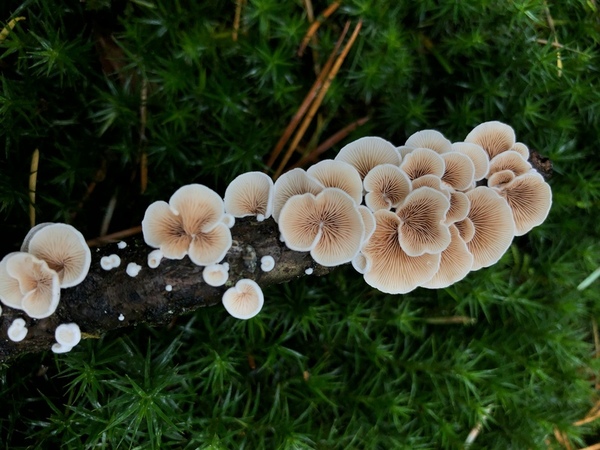
Here, seeking to explore new antimicrobial therapies, the authors investigated the antimicrobial activity of Maitake mushroom extract against Staphylococcus epidermidis, a common cause of antibiotic resistant hospital-acquired infections. They found that Maitake extract showed potent antimicrobial activity, with higher concentrations showing inhibition comparable to tetracycline.

Read More...