Browse Articles

Can Green Tea Alleviate the Effects of Stress Related to Learning and Long-Term Memory in the Great Pond Snail (Lymnaea stagnalis)?

Elias et al. | Jan 30, 2021

Can Green Tea Alleviate the Effects of Stress Related to Learning and Long-Term Memory in the Great Pond Snail (<em>Lymnaea stagnalis</em>)?

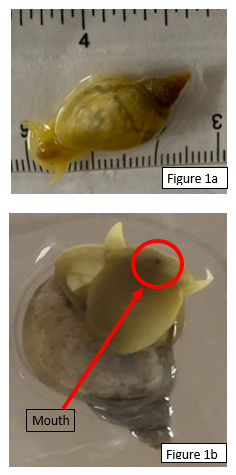
Stress and anxiety have become more prevalent issues in recent years with teenagers especially at risk. Recent studies show that experiencing stress while learning can impair brain-cell communication thus negatively impacting learning. Green tea is believed to have the opposite effect, aiding in learning and memory retention. In this study, the authors used Lymnaea stagnalis , a pond snail, to explore the relationship between green tea and a stressor that impairs memory formation to determine the effects of both green tea and stress on the snails’ ability to learn, form, and retain memories. Using a conditioned taste aversion (CTA) assay, where snails are exposed to a sweet substance followed by a bitter taste with the number of biting responses being recorded, the authors found that stress was shown to be harmful to snail learning and memory for short-term, intermediate, and long-term memory.

Read More...
FRUGGIE – A Board Game to Combat Obesity by Promoting Healthy Eating Habits in Young Children

Huprikar et al. | Jun 13, 2018

FRUGGIE – A Board Game to Combat Obesity by Promoting Healthy Eating Habits in Young Children

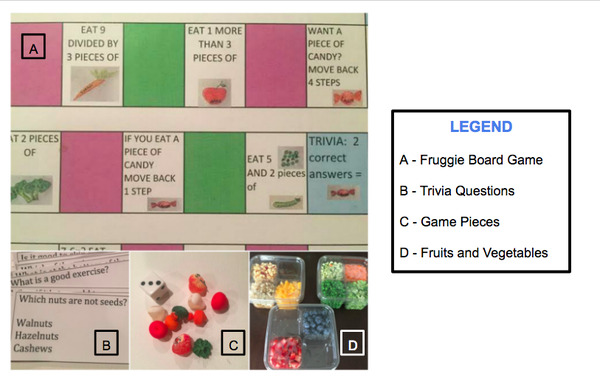
The authors created a board game to teach young children about healthy eating habits to see whether an interactive and family-oriented method would be effective at introducing and maintaining a love for fruits and veggies. Results showed that children developed a liking for fruits and vegetables, and none regressed. Half maintained their level of enjoyment for fruits and vegetables during the research period, while the other half had a positive increase. The results show that a simple interactive game can shape how young children relate to food and encourage them to maintain healthy habits.

Read More...

Examining the impact of consecutive losses on gambling: When do we decide to quit?

Kim et al. | Apr 28, 2026

Examining the impact of consecutive losses on gambling: When do we decide to quit?
Image credit: Kim, Cragun, and Kim

This article explored the question of when do people decide to stop gambling and further tries to extrapolate why people stop gambling at that point. Their study showed that people tend to quit gambling after 4 consecutive losses, significantly more than 1-3 consecutive losses or a win previous to quitting. They also found that participants commonly quit at a point value approximately 5 points greater than or less than their starting balance. The authors concluded that these results may be important in understanding how to cut down on excessive gambling or in creating policies that make it easier for people to disengage from gambling.

Read More...