Browse Articles

Associations between fentanyl usage and social media use among U.S. teens

Sul et al. | Jun 10, 2025

Associations between fentanyl usage and social media use among U.S. teens
Image credit: freestocks

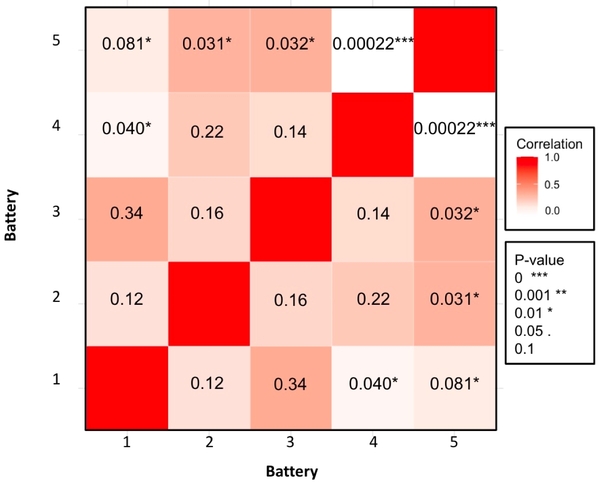
Here the authors aimed to understand factors influencing adolescent fentanyl exposure, hypothesizing a positive association between social media usage, socioeconomic factors, and fentanyl abuse among U.S. teens. Their analysis of the Monitoring the Future dataset revealed that a history of suspension and use of marijuana or alcohol were linked to higher fentanyl use, and while not statistically significant, a notable positive correlation between social media use and fentanyl frequency was observed.

Read More...


COVID 19 and the perceived impacts on adolescents’ and young adults’ mental health: A quantitative survey

Kumar et al. | Jul 31, 2023

COVID 19 and the perceived impacts on adolescents’ and young adults’ mental health: A quantitative survey
Image credit: Nick Fewings

Here, recognizing the effects of the COVID-19 pandemic on young peoples' mental health and wellbeing the authors used an online survey which included the short General Health Questionnaire (GHQ-12) to probe 102 young adults. Overall they found that young adults perceived the pandemic to be detrimental to many areas of their wellbeing, with females and those aged 18-19 and 22-23 reporting to be the most significantly impacted.

Read More...

Effects of social support on adolescent identity development

Yim et al. | Nov 12, 2024

Effects of social support on adolescent identity development

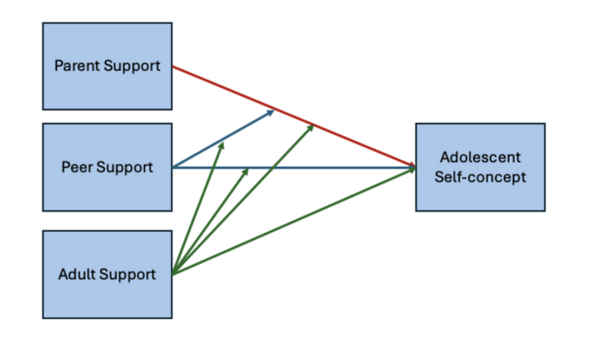
Adolescence is a critical period for self-identity formation, heavily influenced by feedback from social networks. This research examined the interplay between social support from parents and peers and self-concept development in adolescents using data from the National Longitudinal Study of Adolescent to Adult Health. While individual support from parents and peers did not directly impact self-concept, their combined interaction significantly influenced it, highlighting the importance of various social supports in fostering healthy self-concept development and overall adolescent well-being.

Read More...

Health services in Iraq - A cross-sectional survey of adolescents in Basra

Al Saeedi et al. | Aug 12, 2022

Health services in Iraq - A cross-sectional survey of adolescents in Basra

This study is a cross-sectional survey of adolescents in Basra, Iraq, from November 2020 to March 2021 about types of adolescent problems, the individuals and institutions adolescents turn to, and the role of public health centers in dealing with their problems. The survey found that psychological problems represent the largest proportion of health problems, and most adolescents turn to their parents to discuss their problems. The work indicates that there is an urgent need to pay attention to public health centers and provide health and psychological support to adolescents.

Read More...

Can Children Acquire Their Parents’ History of Fracture?

Boulis et al. | Sep 24, 2018

Can Children Acquire Their Parents’ History of Fracture?

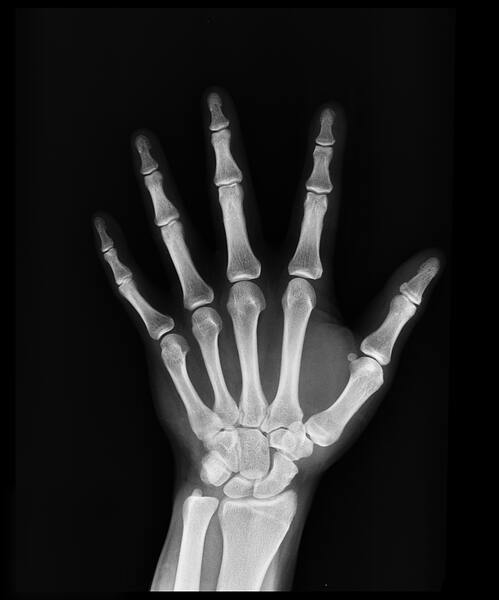
While the genetic basis of hip fracture risk has been studied extensively in adults, it is not known whether parental history of bone fractures affects their children's fracture risk. In this article, the authors investigated whether a parental history of bone fractures influences the rate of fractures in their children. They found that adolescent children whose parents had a more extensive history of fractures were more likely to have a history of fractures themselves, suggesting that parents' medical histories may be an important consideration in future pediatric health research.

Read More...

The knowledge and perception of opioid abuse and its long-term effects among high schoolers

Shroff et al. | Nov 27, 2021

The knowledge and perception of opioid abuse and its long-term effects among high schoolers

Due to the susceptibility of adolescent age groups to opioid misuse, here the authors sought to determine if there was a difference in the perception and knowledge between 9th and 12th graders regarding the opioid crisis. An educational intervention trial was done with the 9th graders and surveys were used to identify its effects. Although the authors acknowledge a small sample size, their results suggest that their are gaps within the knowledge of adolescents in regards to opioid misuse and its long-term effects that could be addressed with further education.

Read More...

Adults’ attitudes toward non-alcoholic beer purchases and consumption by children and adolescents

An et al. | Aug 23, 2024

Adults’ attitudes toward non-alcoholic beer purchases and consumption by children and adolescents
Image credit: The authors

Consumption of non-alcoholic beverages, like non-alcoholic beer, is growing in popularity in the United States. These beverages raise important societal questions, such as whether minors should be allowed to purchase or consume non-alcoholic beer. An and An investigate this issue by surveying adults to see if they support minors purchasing and consuming non-alcoholic beer.

Read More...