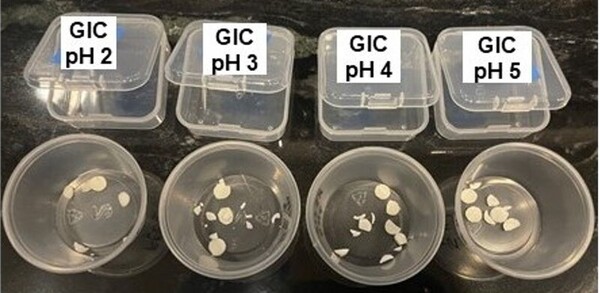
The authors test the effects of pH level on different kinds of dental cement to model the long-term effects of reflux-induced stomach acid exposure.
Read More...Investigation of the impact of acid reflux on dental cements
The authors test the effects of pH level on different kinds of dental cement to model the long-term effects of reflux-induced stomach acid exposure.
Read More...Modeling the effects of acid rain on bacterial growth
Acid rain has caused devastating decreases in ecosystems across the globe. To mimic the effect of acid rain on the environment, the authors analyzed the growth of gram-negative (Escherichia coli) and gram-positive (Staphylococcus epidermidis) bacteria in agar solutions with different pH levels. Results show that in a given acidic environment there was a significant decrease in bacterial growth with an increase in vinegar concentration in the agar, suggesting that bacterial growth is impacted by the pH of the environment. Therefore, increased levels of acid rain could potentially harm the ecosystem by altering bacterial growth.
Read More...Computational prediction of chlorogenic acid binding to disease-linked proteins CHIT1 and CHI3L1
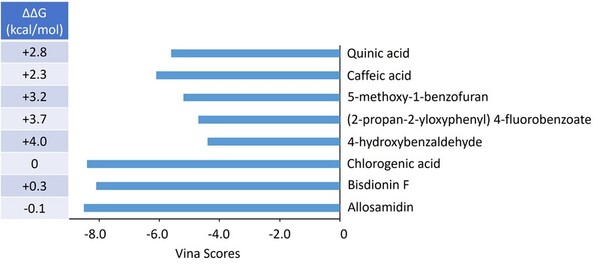
This study investigated whether chlorogenic acid, a plant compound with known health benefits, can interact with the proteins CHIT1 and CHI3L1, which could ultimately lead to new therapeutic strategies for a range of chronic diseases.
Read More...Lactic acid bacteria protect the growth of Solanum lycopersicum from Sodium dodecyl sulfate
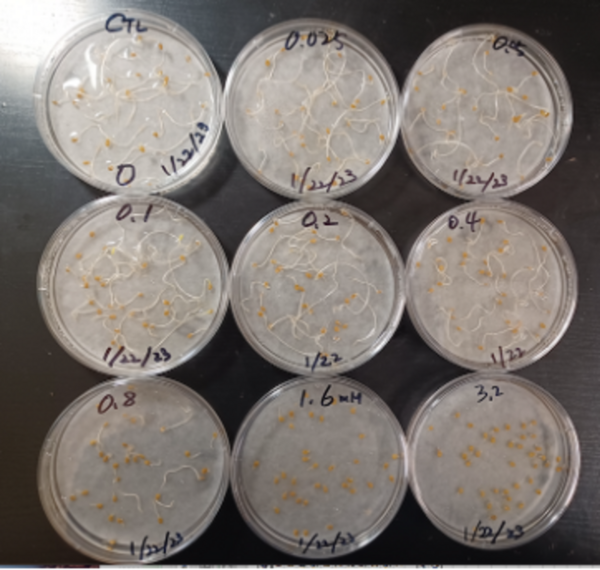
Sodium dodecyl sulfate (SDS), a detergent component, can harm plant growth when it contaminates soil and waterways. Authors explored the potential of lactic acid bacteria (LAB) to mitigate SDS-induced stress on plants.
Read More...pH-dependent drug interactions with acid reducing agents
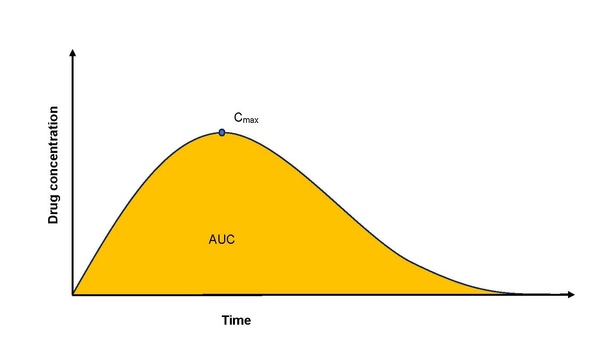
Some cancer treatments lose efficacy when combined with treatments for excessive stomach acid, due to the changes in the stomach environment caused by the stomach acid treatments. Lin and Lin investigate information on oral cancer drugs to see what information is available on interactions of these drugs.
Read More...Reduce the harm of acid rain to plants by producing nitrogen fertilizer through neutralization
The phenomenon of dying trees and plants in areas affected by acid rain has become increasingly problematic in recent times. Is there any method to efficiently utilize the rainwater and reduce the harmfulness of acid rain or make it beneficial to plants? This study aimed to investigate the potential of neutralizing acid rainwater infiltrating the soil to increase soil pH, produce beneficial salts for plants, and support better plant growth. To test this hypothesis, precipitation samples were collected from six states in the U.S. in 2022, and the pH of the acid rain was measured to obtain a representative pH value for the country. Experiments were then conducted to simulate the neutralization of acid rain and the subsequent change in soil pH levels. To evaluate the effectiveness and feasibility of this method, cat grass was planted in pots of soil soaked with solutions mimicking acid rain, with control and experimental groups receiving neutralizing agents (ammonium hydroxide) or not. Plant growth was measured by analyzing the height of the plants. Results demonstrated that neutralizing agents were effective in improving soil pH levels and that the resulting salts produced were beneficial to the growth of the grass. The findings suggest that this method could be applied on a larger agricultural scale to reduce the harmful effects of acid rain and increase agricultural efficiency.
Read More...The effect of wild orange essential oil on ascorbic acid decay in freshly squeezed orange juice
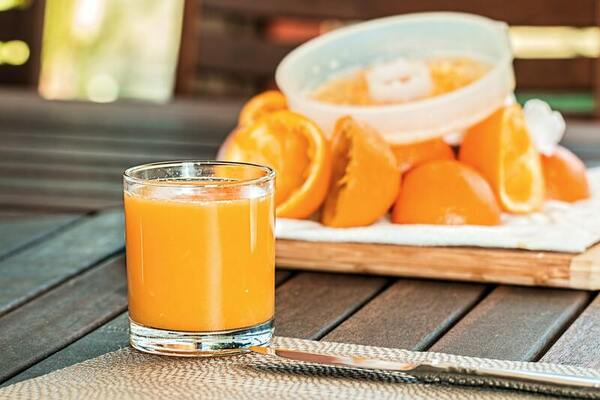
The goal of this project was to see if the addition of wild orange essential oil to freshly squeezed orange juice would help to slow down the decay of ascorbic acid when exposed to various temperatures, allowing vital nutrients to be maintained and providing a natural alternative to the chemical additives in use in industry today. The authors hypothesized that the addition of wild orange essential oil to freshly squeezed orange juice would slow down the rate of oxidation when exposed to various temperatures, reducing ascorbic acid decay. On average, wild orange EO slowed down ascorbic acid decay in freshly squeezed orange juice by 15% at the three highest temperatures tested.
Read More...The Effect of UV Treatment on the Degradation of Compostable Polylactic Acid
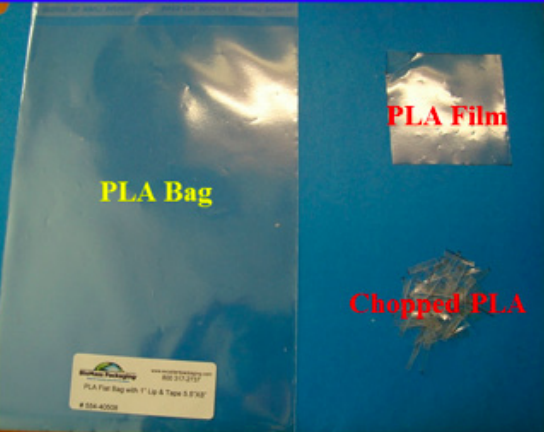
Polylactic acid (PLA) is a bio-based, compostable plastic that is comparable in cost to petroleum-based plastics. This study aims to evaluate the effects of UV treatment and mechanical chopping on the degradation of PLA. Based on their findings, the authors propose an alternative PLA degradation process that may be more time and energy efficient than current processes.
Read More...Regenerative Effects of Turmeric and Alpha-Lipoic Acid in Lumbriculus variegatus
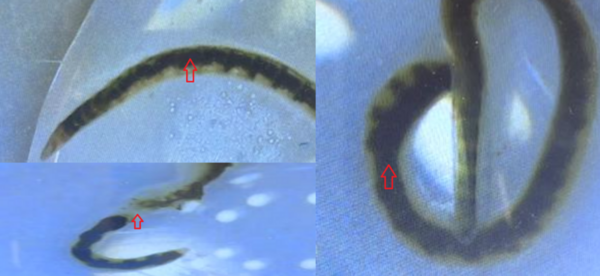
This study examines the effects of tumeric, and alph-lipoic acid on segment regeneration and cardiovascular pulse rate, using the California blackworm. Results can ultimately demonstrate potential natural compounds for tissue repair and their effect on physiological activity.
Read More...Toxicity of aminomethylphosphonic acid via the Wnt signaling pathway as a novel mechanism

The Wnt signaling pathway, known to coordinate important aspects of cellular homeostasis ranging from differentiation, proliferation, migration, and much more, is dysregulated in many human diseases. This study demonstrates that aminomethylphosphonic acid, which is the main metabolite found in the common herbicide Glyphosate, is toxic to planaria and capable of binding to canonical Wnt proteins.
Read More...