Browse Articles

A Novel Method for Assessment of Proprioception

Trevithick et al. | Jun 22, 2018

A Novel Method for Assessment of Proprioception

Trevithick & Park were interested in whether proprioception, the sense of the relative position of body parts and movement, differed between varsity and non-varsity athletes, as well as between the sport practiced. The authors found that there was no correlation between athleticism and better proprioception, but that dancers had superior proprioceptive abilities compared to those that practiced other sports.

Read More...

Breaking the Ice: A Scientific Take on the Ice Melting Abilities of Household Salts

Sehgal et al. | Dec 04, 2017

Breaking the Ice: A Scientific Take on the Ice Melting Abilities of Household Salts

The use of salt to melt ice is a common and important practice to keep roadways safe during winter months. However, various subtypes of salt differ in their chemical and physical properties, as well as their environmental impact. In this study, the authors measure the effectiveness of different salts at disrupting ice structures and identify calcium chloride as the most effective.

Read More...

An Exploration of a Honey-Ginger Supplement as an Antimicrobial Agent

Phillips et al. | Jul 10, 2016

An Exploration of a Honey-Ginger Supplement as an Antimicrobial Agent

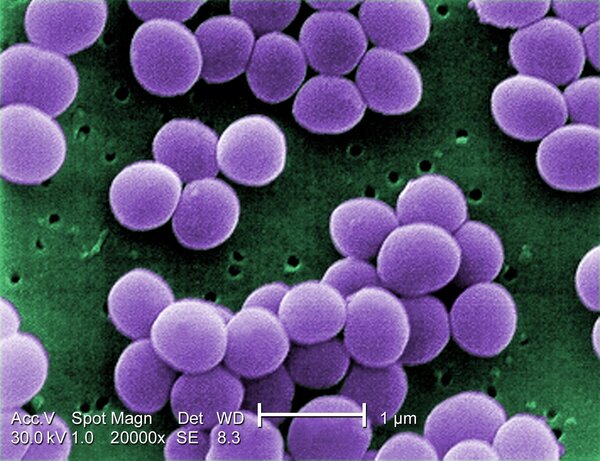
Due to the increase in antimicrobial resistance, alternative medicinal therapies are being explored. Studies have shown that honey and ginger alone have antimicrobial effects on the genera Staphylococcus and Escherichia, including S. epidermidis and E. coli. The authors of this study tested whether a honey-ginger supplement, Jengimielâ„¢, could be used as an antimicrobial agent against S. epidermidis and E. coli K-12.

Read More...

Isolation of Microbes From Common Household Surfaces

Gajanan et al. | Jan 27, 2013

Isolation of Microbes From Common Household Surfaces

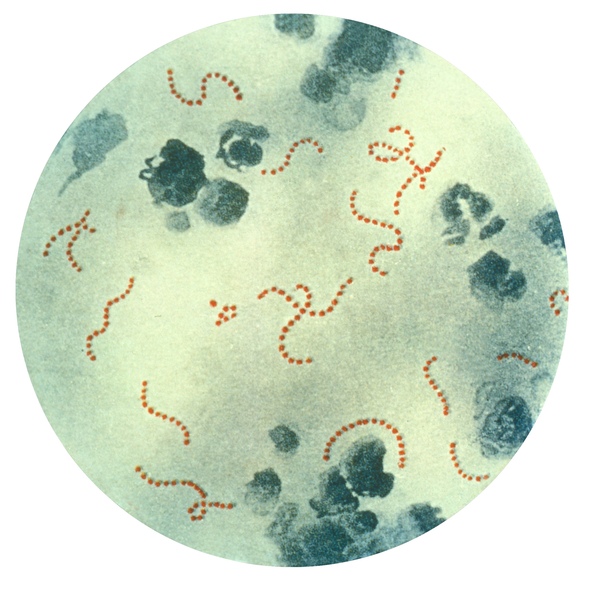
Microorganisms such as bacteria and fungi live everywhere in the world around us. The authors here demonstrate that these predominantly harmless microbes can be isolated from many household locations that appear "clean." Further, they test the cleaning power of 70% ethanol and suggest that many "clean" surfaces are not in fact "sterile."

Read More...

The effect of common food preservatives on the growth of bacteria

Yulin et al. | Jul 06, 2025

The effect of common food preservatives on the growth of bacteria
Image credit: Michael Schiffer

Here the authors aimed to find the best preservative combinations to stop bacterial growth in food, using data modeling and biochemical experiments. They discovered that single preservatives are often not enough, with varying effectiveness against different bacteria, and suggest future research into combining preservatives for better results.

Read More...