
The authors looked at previous studies to evaluate the ability to use serum levels of certain cytokines as biomarkers for pneumoconiosis.
Read More...Elevated levels of IL-8, TGF-β, and TNF-α associated with pneumoconiosis: A meta-analysis
The authors looked at previous studies to evaluate the ability to use serum levels of certain cytokines as biomarkers for pneumoconiosis.
Read More...Investigation of unknown causes of uveal melanoma uncovers seven recurrent genetic mutations
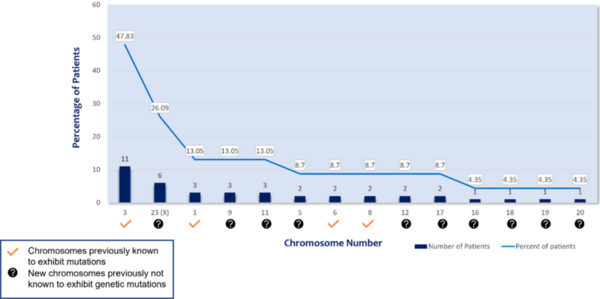
Uveal melanoma (UM) is a rare subtype of melanoma but the most frequent primary cancer of the eye in adults. The goal of this study was to research the genetic causes of UM through a comprehensive frequency analysis of base-pair mismatches in patient genomes. Results showed a total of 130 genetic mutations, including seven recurrent mutations, with most mutations occurring in chromosomes 3 and X. Recurrent mutations varied from 8.7% to 17.39% occurrence in the UM patient sample, with all mutations identified as missense. These findings suggest that UM is a recessive heterogeneous disease with selective homozygous mutations. Notably, this study has potential wider significance because the seven genes targeted by recurrent mutations are also involved in other cancers.
Read More...Estimation of cytokines in PHA-activated mononuclear cells isolated from human peripheral and cord blood
.png)
In this study, the authors investigated the time-dependent cytokine secretion ability of phyto-hemagglutinin (PHA)-activated T cells derived from human peripheral (PB) and cord blood (CB). They hypothesized that the anti-inflammatory cytokine, IL-10, and pro-inflammatory cytokine, TNFα, levels would be higher in PHA-activated T cells obtained from PB as compared to the levels obtained from CB and would decrease over time. Upon PHA-activation, the IL-10 levels were relatively high while the TNFα levels decreased, making these findings applicable in therapeutic treatments e.g., rheumatoid arthritis, psoriasis, and organ transplantation.
Read More...Discovery of novel targets for diffuse large B-cell lymphoma
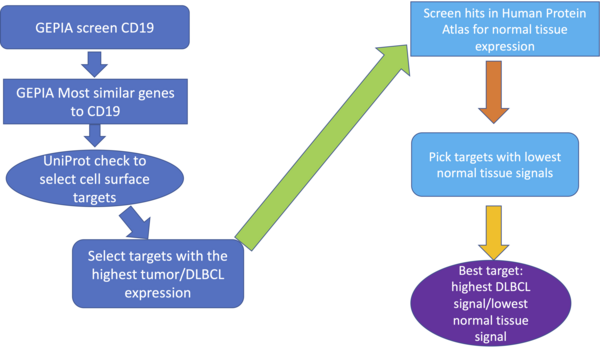
In this study, the authors identify new potential targets to treat advanced diffuse large B-cell lymphoma after treatment relapse and loss of CD19 expression.
Read More...TNF signaling pathway upregulation as a potential pharmaceutical target for cocaine-addicted individuals

In this article, the authors investigate the RNA expression differences between groups of chronic cocaine abusers and drug-free subjects.
Read More...Zinc-related Treatments Combined with Chloroquine and Gemcitabine for Treating Pancreatic Cancer

Pancreatic cancer is one of the deadliest cancers, with a 10% 5-year survival rate. The authors studied various dosages of TPEN and zinc in combination with Chloroquine and Gemcitabine as treatments to reduce cell proliferation. Results showed that when combined with Chloroquine and Gemcitabine, zinc and TPEN both significantly lowered cell proliferation compared to Gemcitabine, suggesting a synergistic effect that resulted in a more cytotoxic treatment. Further research and clinical trials on this topic are needed to determine whether this could be a viable treatment for pancreatic cancer.
Read More...Reducing PMA-induced COX-2 expression using a herbal formulation in MCF-7 breast cancer cells
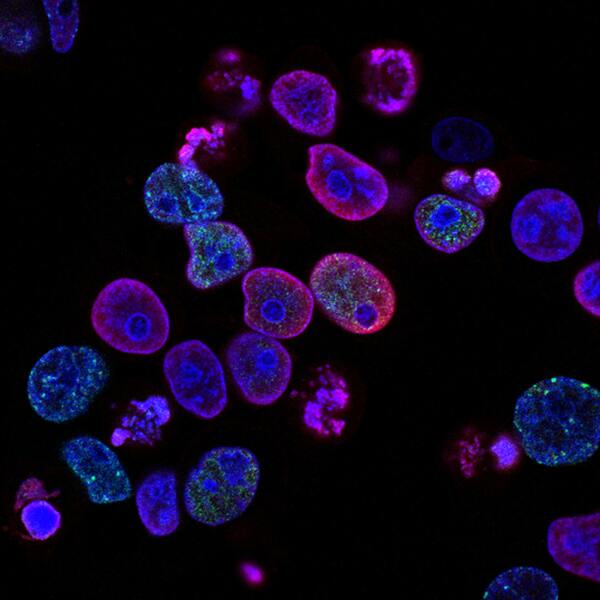
In this study, the authors investigate the effect of a herbal formulation on Cyclooxygenase-2 (COX-2) expression in cancer cells. High levels of COX-2 correlates with worsened cancer outcomes and the authors hypothesize that the formulation will inhibit COX-2 levels.
Read More...Protective effect of bromelain and pineapple extracts on UV-induced damage in human skin cells

In this study, the authors tested whether the compound bromelain extracted from pineapples could protect skin cells from UV damage.
Read More...Expressional correlations between SERPINA6 and pancreatic ductal adenocarcinoma-linked genes
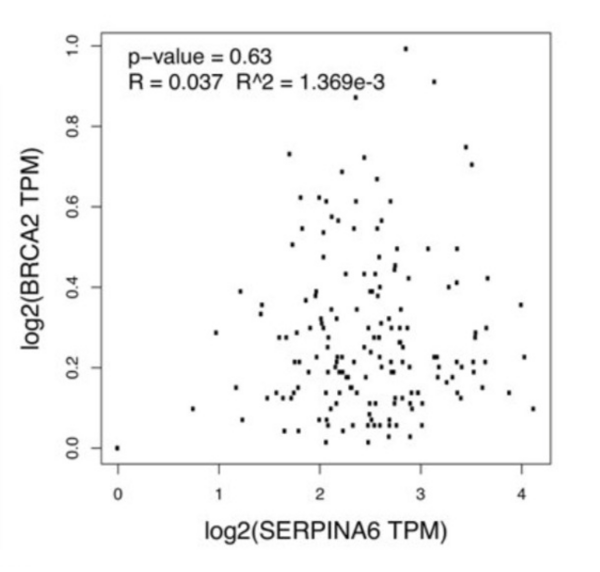
Pancreatic ductal adenocarcinoma (PDAC) is the most common form of pancreatic cancer, with early diagnosis and treatment challenges. When any of the genes KRAS, SMAD4, TP53, and BRCA2 are heavily mutated, they correlate with PDAC progression. Cellular stress, partly regulated by the gene SERPINA6, also correlates with PDAC progression. When SERPINA6 is highly expressed, corticosteroid-binding globulin inhibits the effect of the stress hormone cortisol. In this study, the authors explored whether there is an inverse correlation between the expression of SERPINA6 and PDAC-linked genes.
Read More...The availability of a poetry tutor prompts inexperienced writers to explore deeply emotional themes

The study developed Loving Words, a free AI-powered poetry tutor designed to help writers improve their poetry and experience its therapeutic benefits. Two groups of participants wrote poems—one without assistance and one using Loving Words.
Read More...