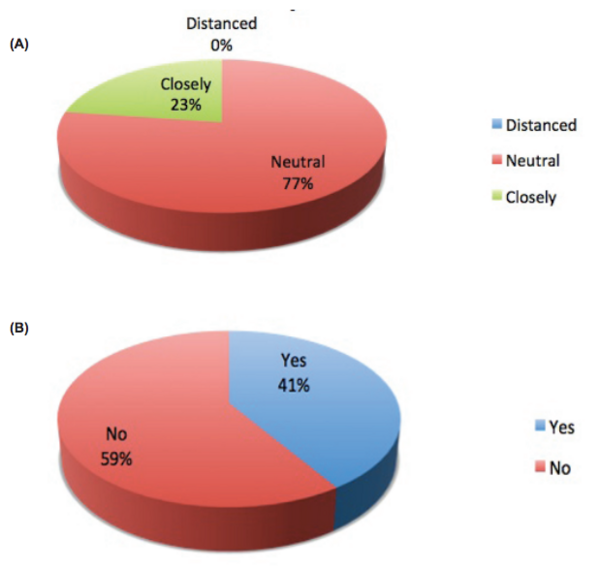
Racial inequality has been a major issue throughout the history of the United States. In recent years, however, especially with the election of America's first black president, many have claimed that we have made progress and are moving towards a post-racial society. The authors of this study sought to test that claim by evaluating whether high school age students still experience a phenomenon known as white guilt. White guilt is defined as remorse or shame felt by people of Caucasian descent about racial inequality.
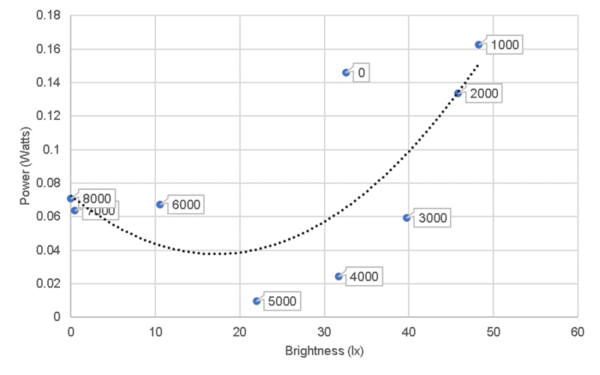
Buildings, which are responsible for the majority of electricity consumption in cities like Dubai, are often exclusively reliant on electrical lighting even in the presence of daylight to meet the illumination requirements of the building. This inefficient use of lighting creates potential to further optimize the energy efficiency of buildings by complementing natural light with electrical lighting. Prior research has mostly used ballasts (variable resistors) to regulate the brightness of bulbs. There has been limited research pertaining to the use of pulse width modulation (PWM) and the use of ‘triodes for alternating current’ (TRIACs). PWM and TRIACs rapidly stop and restart the flow of current to the bulb thus saving energy whilst maintaining a constant illumination level of a space. We conducted experiments to investigate the feasibility of using TRIACs and PWM in regulating the brightness of bulbs. We also established the relationship between power and brightness within the experimental setups. Our results indicate that lighting systems can be regulated through these alternate methods and that there is potential to save up to 16% of energy used without affecting the overall lighting of a given space. Since most energy used in buildings is still produced through fossil fuels, energy savings from lighting systems could contribute towards a lower carbon footprint. Our study provides an innovative solution to conserve light energy in buildings during daytime.
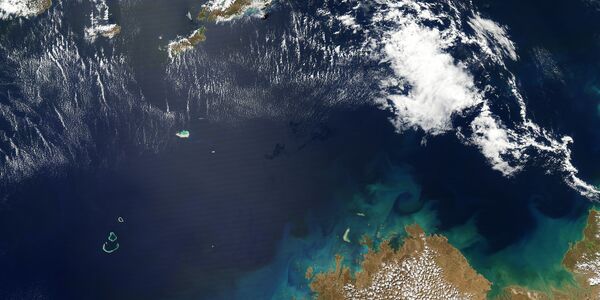
Engineered bacteria that degrade oil are currently being considered as a safe option for the treatment of oil spills. For this approach to be successful, the bacteria must effectively express oil-degrading genes they uptake as part of an external genoming vehicle called a "plasmid". Using a computational approach, the authors investigate plasmid-bacterium compatibility to find pairs that ensure high levels of gene expression.
In their paper, Kreiman et al. examined what it takes for an artificial neural network to be able to perform well on a new task without forgetting its previous knowledge. By comparing methods that stop task forgetting, they found that longer training times and maintenance of the most important connections in a particular task while training on a new one helped the neural network maintain its performance on both tasks. The authors hope that this proof-of-principle research will someday contribute to artificial intelligence that better mimics natural human intelligence.
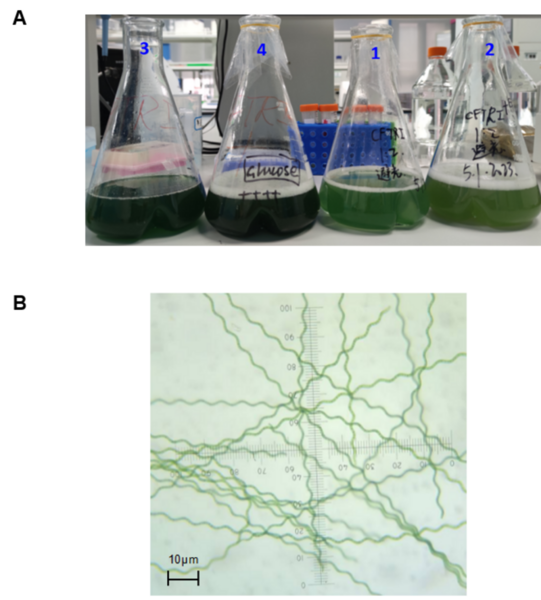
The authors looked at the ability to grow S. platensis on a larger scale with reduced cost given that it is currently quite expensive to grow, but poses as an important food source in the future.
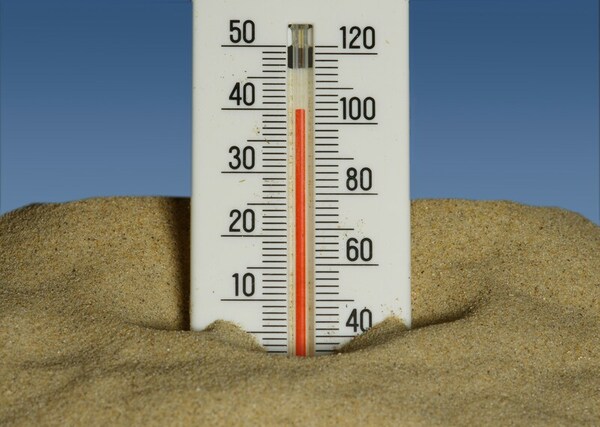
Paper found that heat waves in India are linked to lower household income, agricultural income, and consumption, with agriculture being affected the most. It also suggests farm workers may adapt to extreme heat over time by increasing labor inputs despite rising temperatures.
This article explored the question of when do people decide to stop gambling and further tries to extrapolate why people stop gambling at that point. Their study showed that people tend to quit gambling after 4 consecutive losses, significantly more than 1-3 consecutive losses or a win previous to quitting. They also found that participants commonly quit at a point value approximately 5 points greater than or less than their starting balance. The authors concluded that these results may be important in understanding how to cut down on excessive gambling or in creating policies that make it easier for people to disengage from gambling.



.png)