Social media usage is predicted to impact teen well-being and emotional status. This study sought to assess the impact of teen technology usage on their social lives. Surveys of 8th and 9th graders were used to assess compare technology usage between males and females as well as and how social media usage impacts the perception of social environment at school.
In this study, the authors examine how knowledge, lack of knowledge, and deception affect the rate of perceived exertion and actual performance of teenagers in sprint training. Their results suggest that fully informing athletes about workout duration yields the fastest and most consistent speeds.
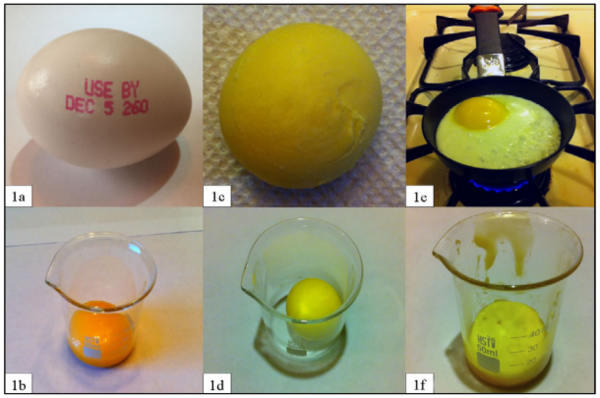
Fat can be chemically altered during cooking through a process called lipid oxidation, which can have a negative impact on health. In this study, the authors measured the extracted fat in raw, fried and hard-boiled eggs and found that cooking eggs to a higher temperature resulted in a lower amount of extracted fat, indicating a greater amount of oxidized fat.
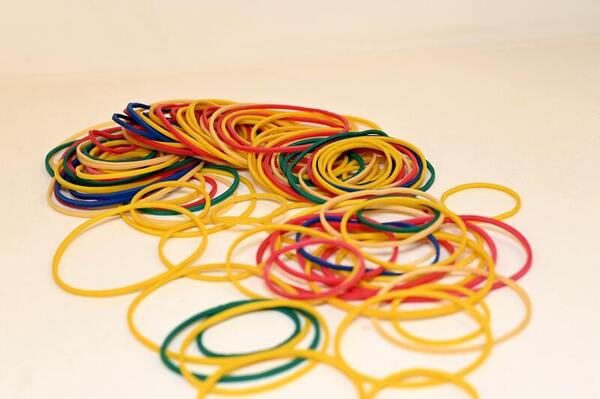
Here, the authors considered the stretching behavior of rubber bands by exposing the rubber bands to increasing loads and measuring their stretch response. They found that a linear stretch response was observed for intermediate loading steps, but this behavior was lost at lower or higher loads, deviating from Hooke's Law. The authors suggest that studies such as these can be used to evaluate other visco-elastic structures.
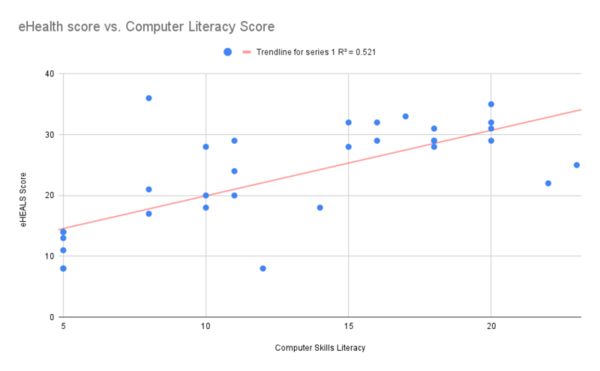
As digital tools become more prevalent in medicine, the ability for individuals to understand and take actions based on what they read on the internet is crucial. eHealth literacy is defined as as the ability to seek, find, understand, and evaluate health information from electronic sources and apply the knowledge gained to addressing or solving a health problem. In general, Americans have low eHealth literacy rates. However, limited research has been conducted to understand the eHealth literacy level among older Chinese adult immigrants in the U.S. To determine the eHealth literacy of elderly Chinese immigrants, we sent out an eHealth survey and relevant computer skills survey using a modified version of the eHEALS (eHealth Literacy Scale) health literacy test. We hypothesized that elders who consumed more electronic health content would have a higher eHealth literacy score. The results of this survey showed that there was a positive correlation between the frequency of electronic health information consumption and the participant's eHealth literacy rate. In addition, the results of our computer literacy test show that the frequency of consumption and computer literacy are positively correlated as well. There is a strong positive correlation between the level of computer skills and eHealth literacy of participants. These results reveal possible steps individuals can take to reduce health misinformation and improve their own health by attaining, understanding, and taking action on health material on the internet.
With healthy lung performance being critical to daily function and maintenance of physical health, the authors of this study explored the impact of airflow training from playing a wind instrument on respiratory system function. With careful quantification of peak expiratory flow of individuals who played the trumpet, the authors found no expiratory capacity difference between students who played the trumpet and students who did not play a wind instrument.
White pieces make the first move in chess games, and there are several opening strategies and consequent defense strategies that white and black pieces, respectively, can take . The author of this paper investigated whether taking a specific opening and defense strategy, as well as playing as white vs. black, can increase the chances of winning the game, by playing against various human and computer opponents.
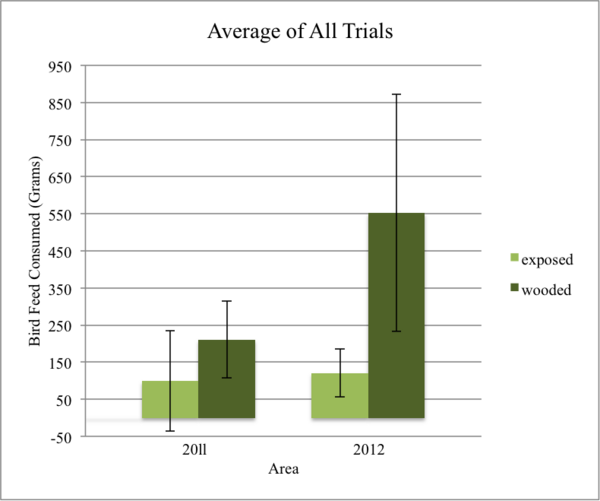
Habitat loss and global warming remain present-day issues that continue to place pressures on various ecosystems and their species. The authors of this paper performed studies over two years to understand whether birds feed more from wooded or exposed areas.
This study investigated how fashion brand personalities are similar to people’s personalities and whether people may prefer a particular clothing brand based on their own personal traits. All together, Stevenson and Scott found that the Big Five Personality Factors are generally not related to participants’ preferred brand personalities. Generally, brands should consider different factors besides the Big Five Personality Factors for identifying potential customers.