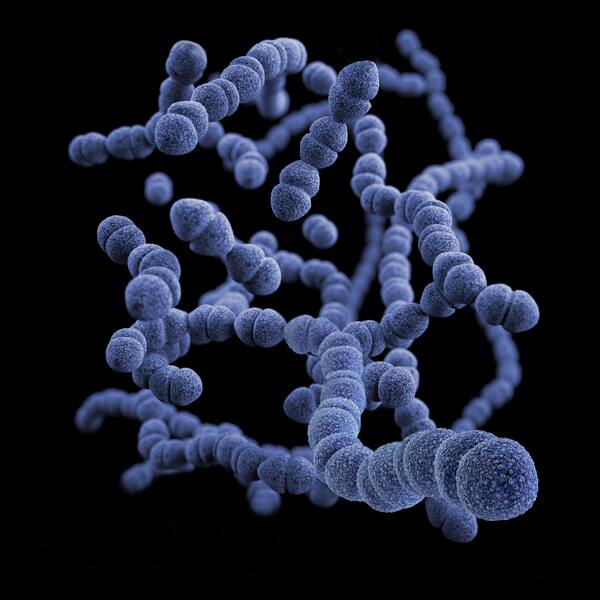
The authors investigated prophages present in Streptococcus bacteria that may increase their survival in different environments.
Read More...Distribution of prophages in the Streptococcus bacteria genus and their role in increasing host pathogenicity
The authors investigated prophages present in Streptococcus bacteria that may increase their survival in different environments.
Read More...Disk Diffusion Tests Show Ginger to be Ineffective as an Antibacterial Agent
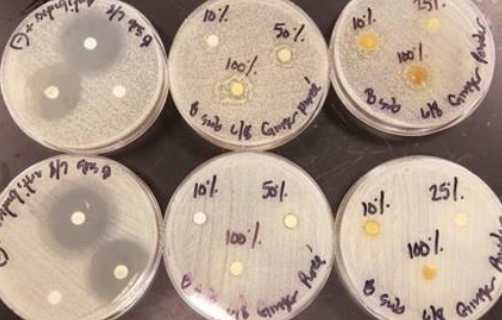
In this study, preparations of ginger were tested for an effect on the growth of four common bacterial species.
Read More...Fall and Spring Honeys Are Equally Effective at Reducing Growth Numbers of E. coli, S. aureus, P. aeruginosa, and S. epidermidis
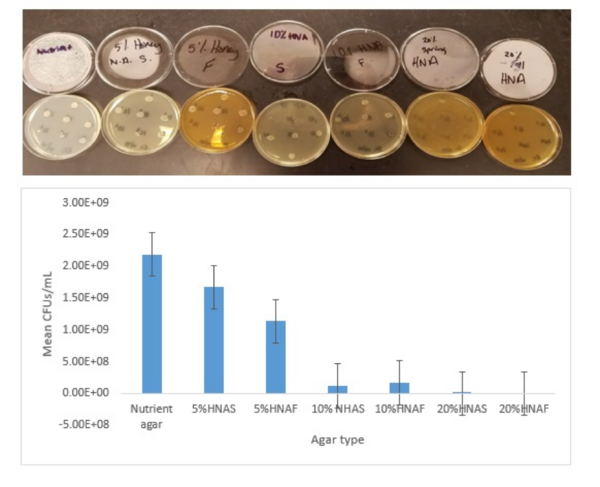
In this study, locally produced fall and spring honeys were tested to determine whether there was a significant difference in their abilities to limit or prevent bacterial growth of E. coli, S. aureus, P. aeruginosa, and S. epidermidis.
Read More...A new therapy against MDR bacteria by in silico virtual screening of Pseudomonas aeruginosa LpxC inhibitors
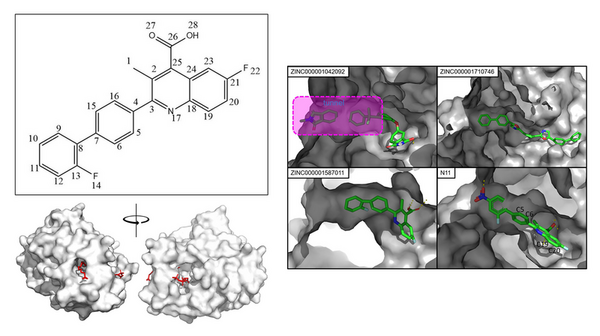
Here, seeking to address the growing threat of multidrug-resistant bacteria (MDR). the authors used in silico virtual screening to target MDR Pseudomonas aeruginosa. They considered a key protein in its biosynthesis and virtually screened 20,000 candidates and 30 derivatives of brequinar. In the end, they identified a possible candidate with the highest degree of potential to inhibit the pathogen's lipid A synthesis.
Read More...Surface cleanliness of hydrothermally grown zinc oxide microparticles compared to commercial nanoparticles
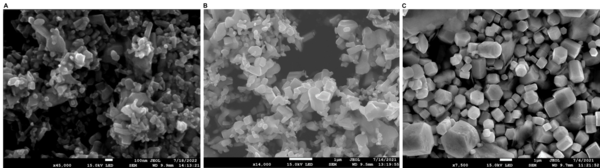
The authors test the usefulness of zinc oxide microparticles relative to zinc oxide nanoparticles as antibacterial agents.
Read More...Varying levels of disinfectant resistance among invasive Klebsiella pneumoniae isolates
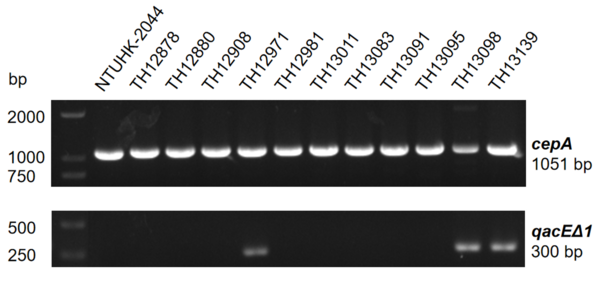
The authors identify disinfectant-resistant bacterial strains of infection-causing bacteria from samples collected at a hospital setting.
Read More...Immunogenicity of Minhai 13-valent pneumococcal polysaccharide conjugate vaccine in experimental mice
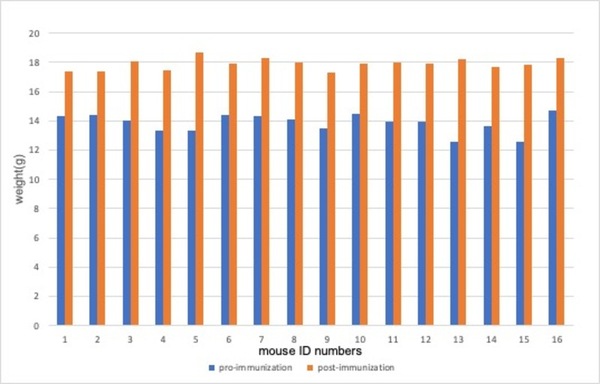
The authors looked at the immunogenicity of a newly developed pneumococcal conjugate vaccine compared to a previously developed one. They found the newly developed vaccine did elicit an immune response.
Read More...The Effect of Neem on Common Nosocomial Infection-Causing Organisms
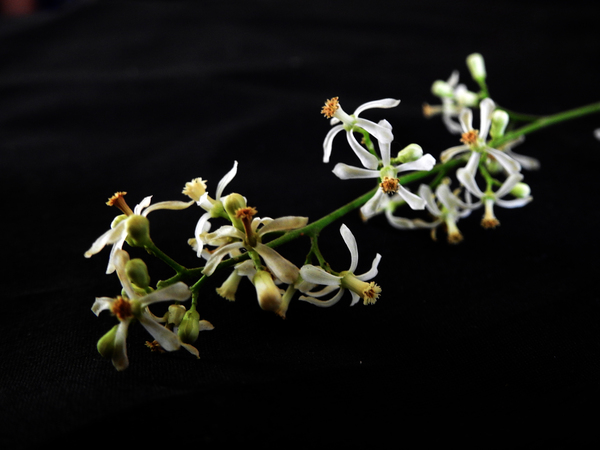
Nosocomial infections acquired in hospitals pose a risk to patients, a risk compounded by resistant microorganisms. To combat this problem, researchers have turned to bioactive compounds from medicinal plants such as the widely used neem. In the present study, researchers sought to determine the effectiveness of different neem preparations against several hospital acquired human pathogens. Neem powder in water successfully inhibited microorganism growth making it a potential agent to combat these infections.
Read More...An Aqueous Solution Containing Soluble Substances From PVC Char Has No Effect on the Rate of Transformation in E. coli Cells
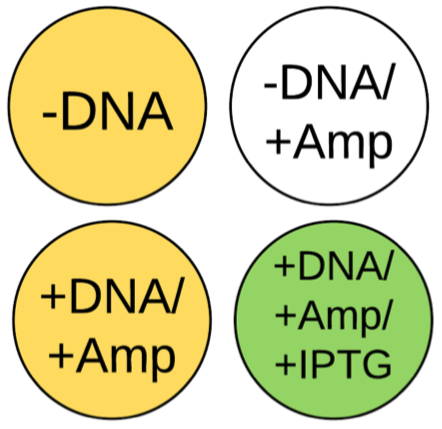
PVC is a widely used plastic that poses harmful health hazards when burned. In this study, the authors ask whether or not burned PVC (PVC char) affects bacterial transformation.
Read More...Effect of pH on the antibacterial properties of turmeric
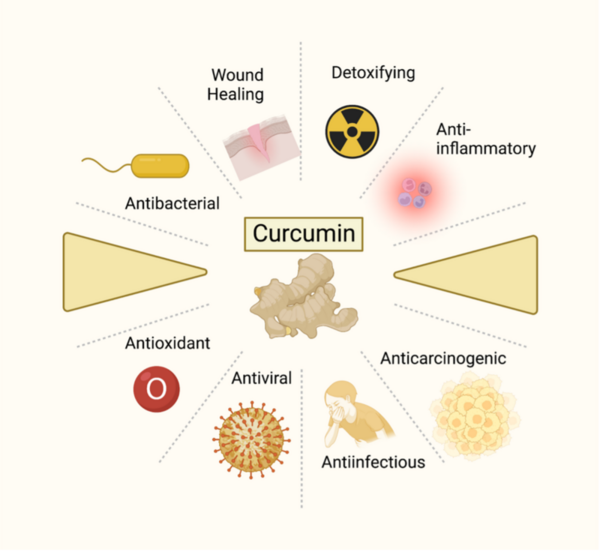
Some spices have antimicrobial or antibacterial properties that people have already tested. Turmeric has a wide variety of uses and has even been implemented in alternative medicine as a treatment for cancer, inflammation, osteoarthritis, and other diseases. We tested the antimicrobial effects of turmeric under two different pHs to characterize this effect in vitro. Decreasing the pH of a solution of turmeric may increase antibacterial properties.
Read More...